Observational Oceanographer

BIOPOLE studies how climate change is affecting the release of nutrients from the polar regions, and their redistribution around the world’s oceans.
It looks at how these changes affect ocean life and carbon storage at the poles and the global ocean.
The polar regions are warming faster than anywhere else. Sea ice is retreating, glaciers are melting and species from outside the poles are moving in.
These changes affect how nutrients are supplied, and then processed by zooplankton, in the polar oceans. This matters because:
The supply of nutrients to the polar oceans comes from glaciers, sea ice, ocean currents and circulation, and rivers. Polar ecosystems process these nutrients in unique ways, creating a surplus that supports life far beyond the poles.
Rapid climate change could alter both the supply and processing of these nutrients. Our ability to predict these changes is limited because current Earth System Models (ESMs) – computer models that simulate how the Earth’s chemical, biological and physical process all work together – don’t represent polar processes well.
In addition, ocean productivity (the rate at which ocean organisms transform sunlight into organic matter) is valued at around $6.9 trillion. The capacity of the oceans to absorb carbon is valued at around $4.3 trillion. There is still large uncertainty about how climate change will affect these roles.
BIOPOLE combines data collection, new analyses and computer simulations to improve how we measure, understand and predict nutrient supply and processing in the polar regions.
Research teams are:
BIOPOLE is funded by the Natural Environment Research Council (NERC), part of UK Research and Innovation (UKRI), through the National Capability Science Multi-Centre award scheme (NC-SM2).
Partners include:
Early-career scientists Emily Rowlands, Laura Taylor, and Kat Turner joined the Iceworld podcast to explain the significance of the BIOPOLE project – and the connections between Antarctica’s ecosystems, nutrients, ice, and the major role that the ocean plays in absorbing carbon from Earth’s atmosphere.
BIOPOLE will address three major questions:
Testing project impact tab and content
Observational Oceanographer

Ocean Adjoint Modeller

Independent Research Fellow
Pelagic Ecologist
Zooplankton Ecologist
Marine Ecosystems Modeller

Marine Biogeographer
Ocean Climate Scientist

Ecologist

Marine Ecologist
Senior Biodiversity Biologist
Pelagic Marine Ecologist
Science Leader/Polar Oeans
Science Leader IMP 2

Physical Oceanographer

Marine Ecologist

Science Leader IMP 3

Marine Data Manager

Ecological Modeller
RaTS Project Manager

Ocean and Biophysical Modeller

Post/Award Programme Manager
PhD Student
Programme Support Officer
Adrian Martin – NOC centre lead (WP3 co-lead)
Bryan Spears – CEH centre lead (WP1 co-lead)
Dan Mayor – University of Exeter (WP2 executive adviser)
Stuart Painter – NOC (WP2 co-lead)
Melanie Lang – BGS centre lead
Andrew Shepherd – CPOM centre lead
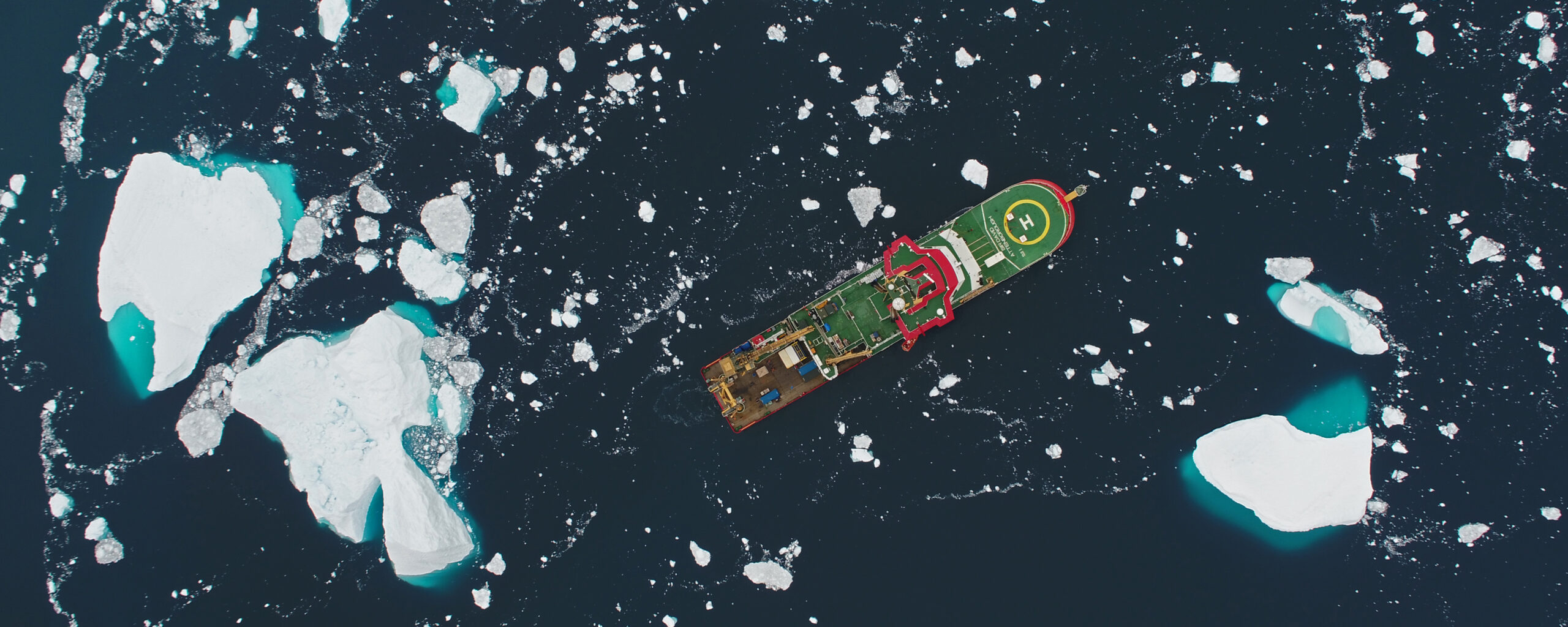
We are on board to test the RRS Sir David Attenborough’s deep sea sampling capabilities and to collect samples for the BIOPOLE project.
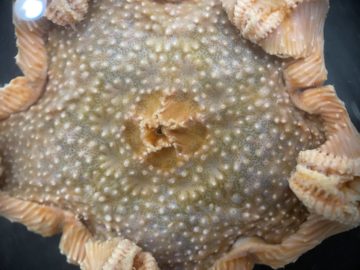
Scientists return to the Southern Ocean this week (5 February 2025), as part of the BIOPOLE project, to answer fundamental questions about how nutrients drive the global carbon cycle and ocean ecosystems.
Today marks the release of The Seventh Continent, a new album from the international Sounds of Space Project that offers a unique aural journey to Antarctica.
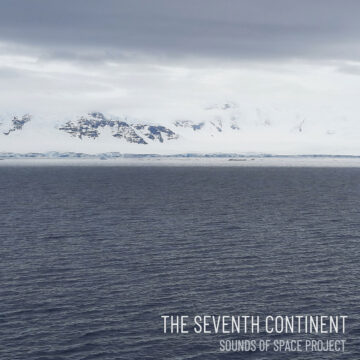
Scientists aboard the RRS Sir David Attenborough collected samples of seawater around the A23a mega iceberg, the largest iceberg in the world.
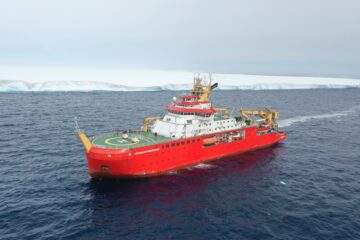
A team of international researchers set sail on the RRS Sir David Attenborough today (20 November) to answer some of the big questions about how Antarctic ecosystems and sea ice drive global ocean cycles of carbon and nutrients.
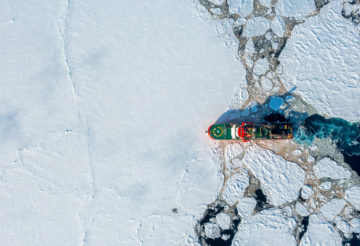
The Antarctic field season has started, with over 600 people beginning the journey South to work on over 60 projects on station and in the field.
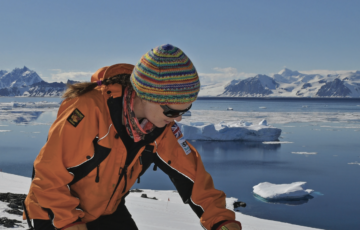
The UK Poet Laureate Simon Armitage CBE has travelled to the UK Arctic Research Station, where he will create new works inspired by the visit. While hosted at the UK […]
ANTARCTICA – 13 March 2023. British Antarctic Survey (BAS) has released the first aerial pictures of the massive A81 iceberg that calved from the Brunt Ice Shelf in late January. […]
British Antarctic Survey (BAS) scientists will investigate critical challenges facing the UK, thanks to new funding from the Natural Environment Research Council (NERC). A £47m investment to several UK research […]
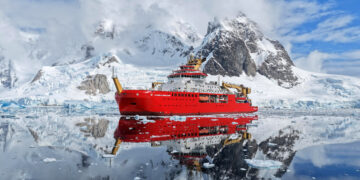
Our state-of-the-art polar science ship provides scientists access to remote and challenging marine environments across the Antarctic and Arctic.
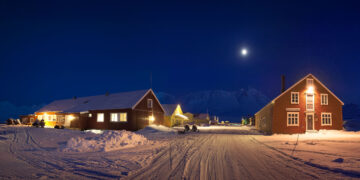
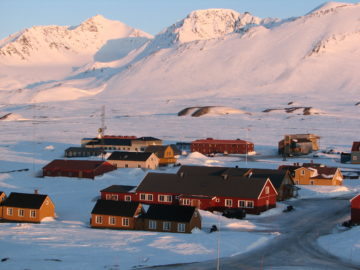
The UK’s only Arctic Research Station, also known as ‘Harland-Cox Huset’, is situation in the international research community of Ny-Ålesund, on Svalbard.