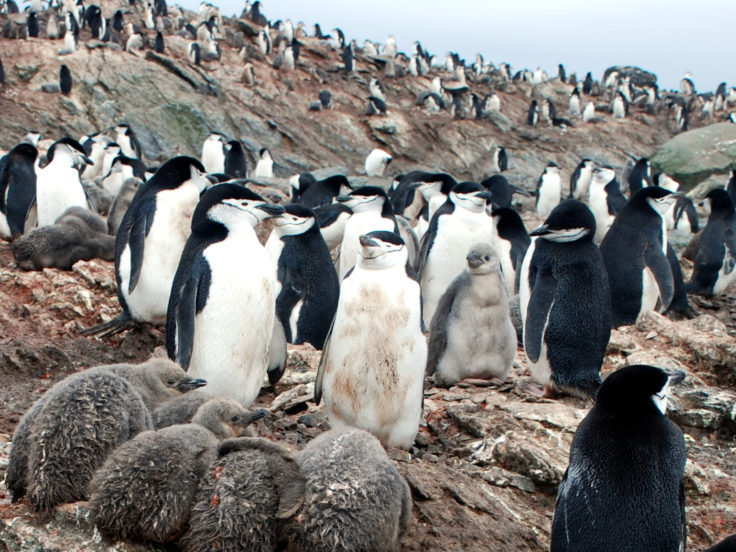
UK Polar Horizons 2021
We are exploring funding and resource options for running Polar Horizons again in the future. Keep an eye out on BAS socials for the latest updates on different activities and […]

97 to 108 of 303 results
We are exploring funding and resource options for running Polar Horizons again in the future. Keep an eye out on BAS socials for the latest updates on different activities and […]
This project aimed to improve observational knowledge of winds along the Antarctic coast and use this to both evaluate the current state-of-the art climate models and help make improvements for the next model generation.
SO-WISE addresses a critical knowledge gap in understanding how warm ocean water reaches and melts the undersides of West Antarctic ice shelves, which is currently the largest source of uncertainty in global sea level rise projections.
The READER data set is continuously being revised as more observations are acquired, however as with any data set we expect READER to contain errors. The observations come from a […]

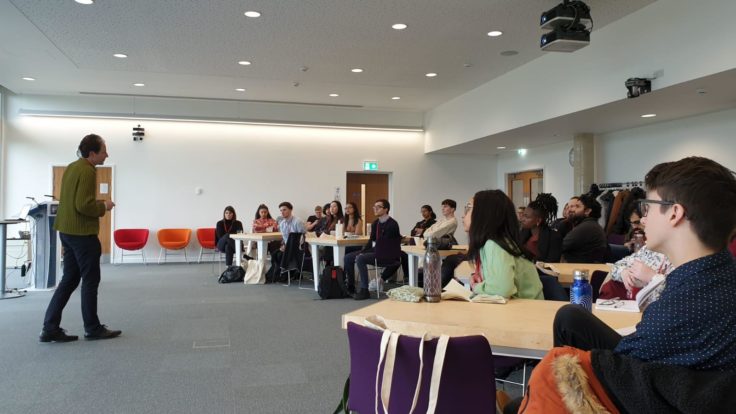
A series of events and activities to raise awareness of opportunities in UK Polar Science
Enhancing diversity, equality and inclusion in UK Polar science
READER (REference Antarctic Data for Environmental Research) is a project of the Scientific Committee on Antarctic Research (SCAR http://www.scar.org/) and has the goal of creating a high quality, long term dataset of mean surface and upper air meteorological measurements from in-situ Antarctic observing systems.
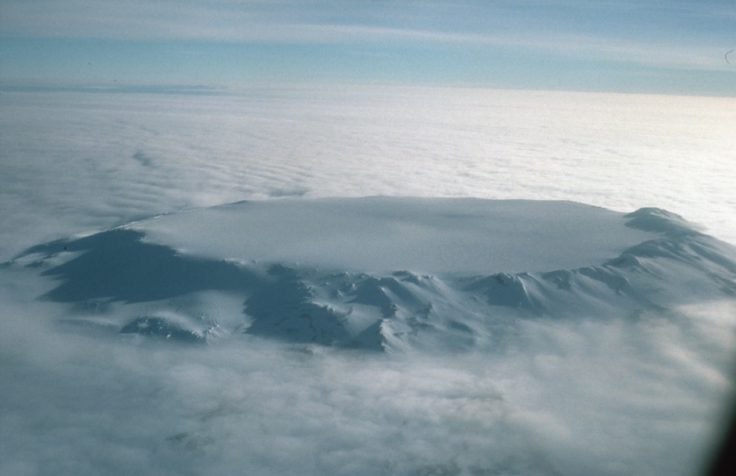
Virtual Antarctica – Ice Analysis Laboratories Clean and Cold Rooms: a virtual visit – test only The scan demonstrates the capabilities of the VR360 camera technology and allow viewers to […]

Ice Floor, is an immersive exhibition commissioned by engineering consultants Arup. UK born artist Wayne Binitie created the installation.
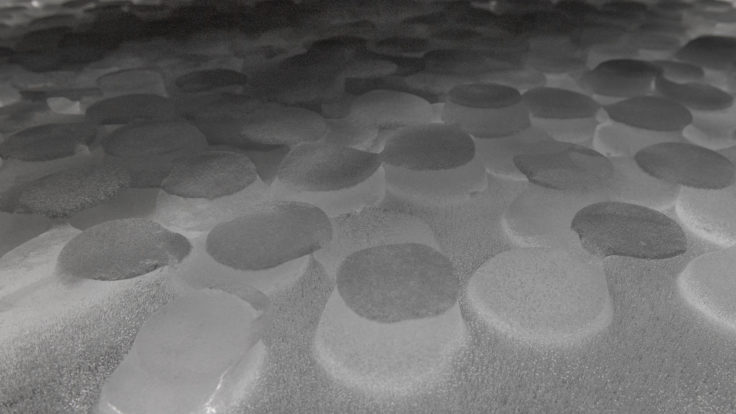
Our strategy and work streams to meet Net Zero goals
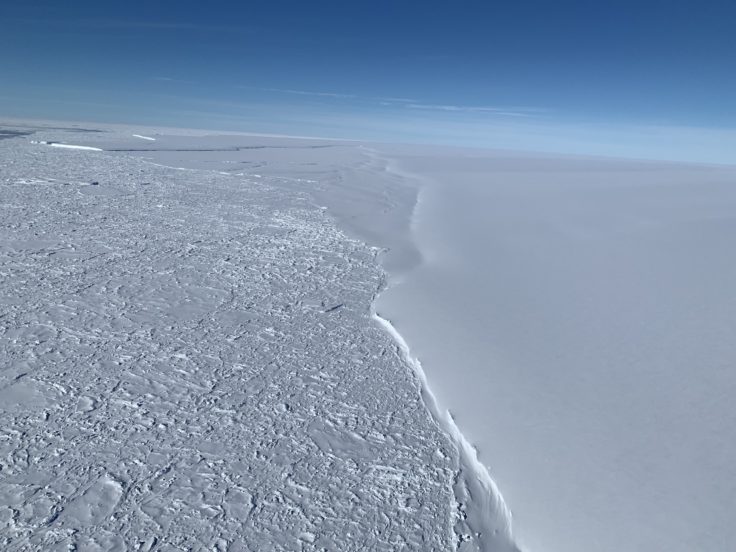
Realising the benefits of the Antarctic Infrastructure Modernisation programme.
The study aimed to map penguin foraging ranges during the breeding season to assess whether existing 50 km coastal fishing exclusion zones adequately protect these krill-dependent seabirds from potential competition with the Antarctic krill fishery.