
Latest from the Ice…
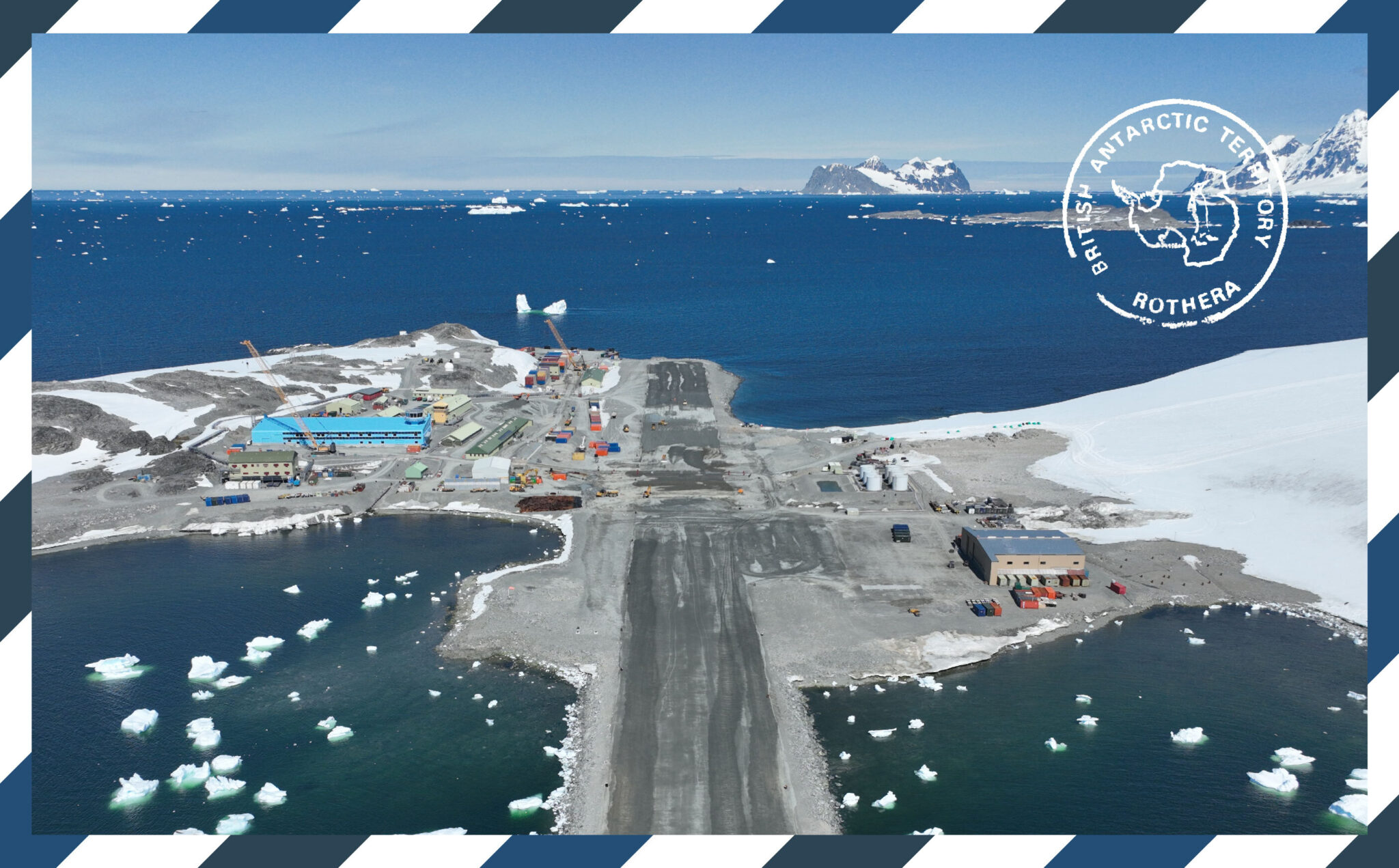
Welcome to the latest postcard from Rothera Research Station. We’re at the end of the season.
Science at Rothera Research Station
Did you know that the UKs largest research station at Rothera supports an extraordinary range of science that stretches from the deep ocean to the edge of space? We have been gathering long-term data on everything from upper atmospheric winds and ozone levels to cloud formation, snow and ice changes and space weather.
The Rothera Time Series (RaTS) is one of the most important and longest running ocean monitoring programmes in the Southern Ocean. Established in 1997, RaTS captures changes in the physical, chemical, and biological state of the coastal ocean near Ryder Bay, Rothera.
The POLOMINTS project (POLar Ocean Mixing by INternal Tsunamis) is transforming our understanding of how underwater tsunamis (triggered by calving glaciers) mix the waters around Antarctica. Near Rothera, four fixed camera systems have been installed to monitor the Sheldon Glacier in real time, helping researchers rapidly capture data during unpredictable calving events.
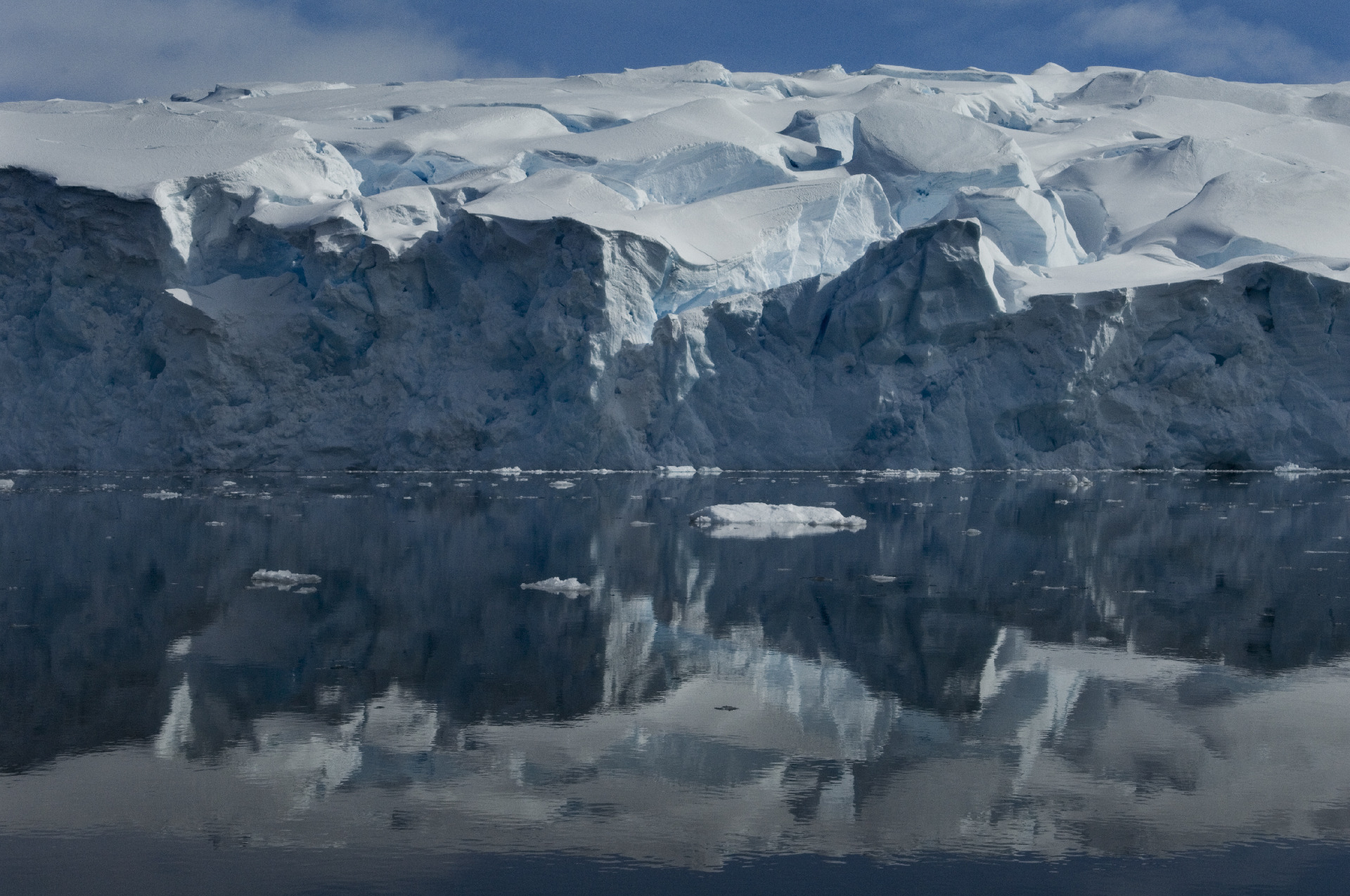 Sheldon Glacier ice front reflected in the glassy waters of Ryder Bay, Adelaide Island, Antarctica. BAS © Pete Bucktrout
This work is essential for improving predictions of future ocean change and its global consequences. Since January oceanographers Alex Brearley and Lewis Drysdale have deployed 3 underwater robotic gliders in Ryder Bay to understand the oceanic impacts of these calving events, including changes to the physical properties (temperature, salinity, turbulence) and the upper ocean biological productivity (chlorophyll, backscatter, dissolved oxygen levels).
Together this helps our scientists understand how Antarctica is changing and how those changes affect the planet. Modernising Rothera Research Station ensures this vital science can continue with greater efficiency, resilience, and year-round capability. Here is a look at modernisation progress throughout April…
Discovery Building
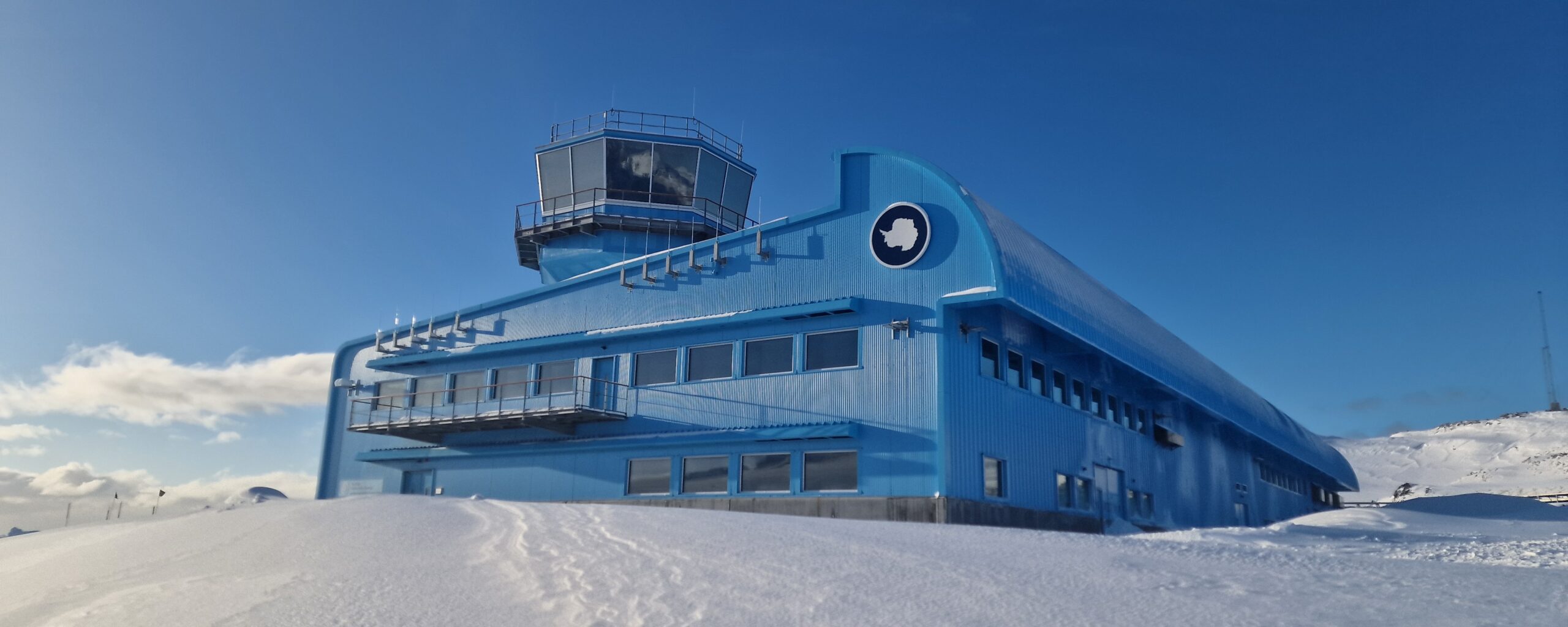
This is our new scientific support and operations facility, replacing several older buildings.
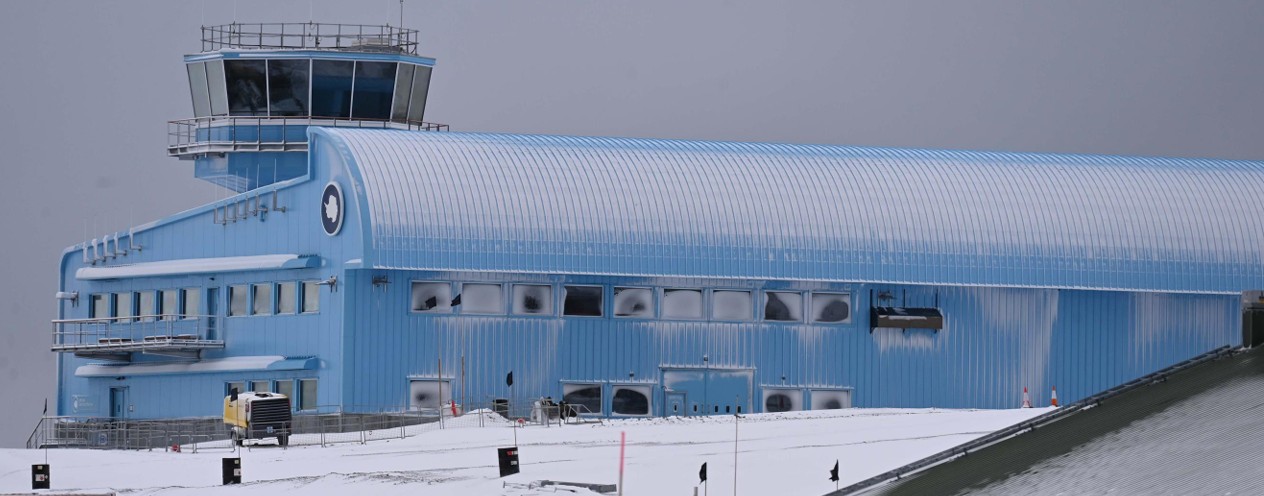 The Discovery Building at Rothera Research Station, Antarctica BAM ©
Combined Heat and Power (CHP): A major piece of work over the last month has been optimising the CHP units and some were redecorated. The CHP units improve energy efficiency by producing electricity and capturing heat that would otherwise be lost. This reduces fuel use, cuts emissions, and supports more sustainable, reliable station operations in Antarctica.
Doors: We managed to fit the last two remaining internal doors as well as the enclosure around the lift equipment. Some minor issues (snags) are still being fixed on the lift enclosure door and the doctor’s surgery.
Work has also started on installing a new roller shutter between incoming/outgoing cargo areas and the biosecurity areas. These new doors will restrict fumigation gases for escaping the biosecurity areas and allow time for extraction of fumes by the ventilation system.
Painting and finishing work are completed in the operations tower. This gives 360 views across the station and some may say is the best office view of all!
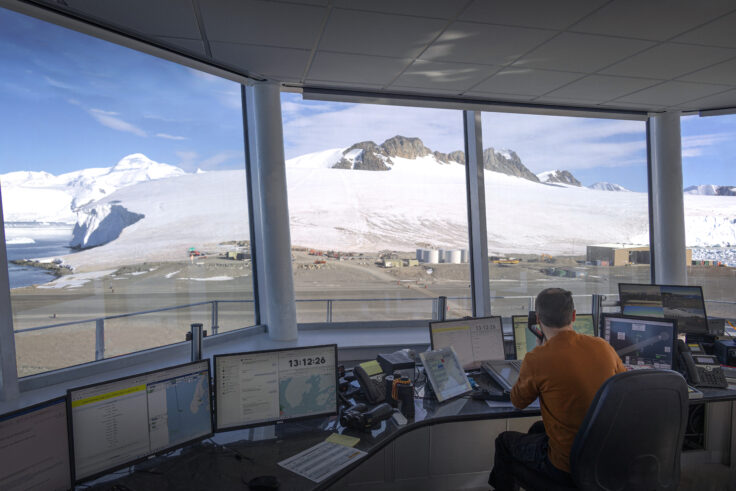
The Operations Tower at the Discovery Building, Rothera Research Station. BAS © Matt Hughes
Additional steel support (bracing) was fitted to the freezer pallet racking to make it more secure. The freezers provide an especially important job since our wonderful chefs cannot pop out to buy more supplies!
Weatherproofing
We need to protect the roof from the Antarctic weather conditions so we’ve continued vital weatherproofing works. Rothera experiences very cold, windy, and changeable weather. Winters are long and snowy, and summers are short, cool and with frequent strong winds. On the ground floor, decorating in the waste management area is nearly finished with just a few finishing touches to do.
Deconstruction and site clearance
Ground works (preparing land) in the former deconstruction area are now finished, including vital work to reshape the land. Most of the area has been handed back to British Antarctic Survey and the safety barriers have been removed. A few small sections remain fenced off while final construction and storage areas are cleared before the end of the season.
Site-wide works
All the ground has now been filled back in around the road crossings to safely support the site‑wide services (utilities and systems for the entire site). These run beneath the roads all around the station.
Containers and the MV Stevie
The team have been busy organising the containers on site, with shelving within the containers added to improve storage and prepare them for shipping. The large crawler crane was dismantled and prepared for transport.
Harsh weather delayed the container ship, MV Stevie’s journey from the Falklands, but the extra time was used to make loading from the wharf more efficient. Once the MV Stevie arrived – in glorious weather and calm conditions – all the unloading and loading went well. Most containers, bulk cargo and scrap steel are now being shipped.
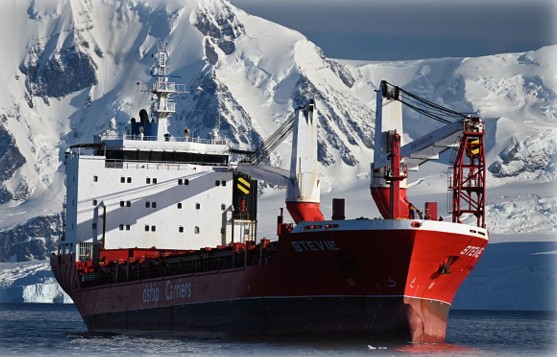 MV Stevie arriving and berthing at Rothera Wharf, BAM ©
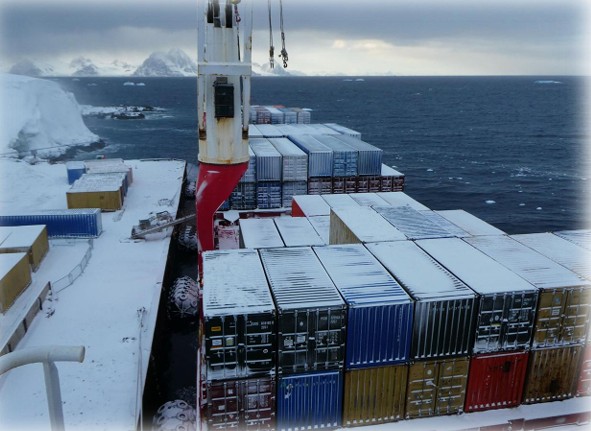 Containers, MV Stevie © BAM
Hangar
Small trial holes have been dug to the north and south of the hangar to help us plan the design of the new building. We also completed more structure checks and photographic surveys inside the hangar.
What’s next?
Preparing for winter at Rothera Research Station… and look out for our next update at the end of this month, a bumper edition for the end of season! Thank you to everyone for their hard work and patience as we modernise our largest station.
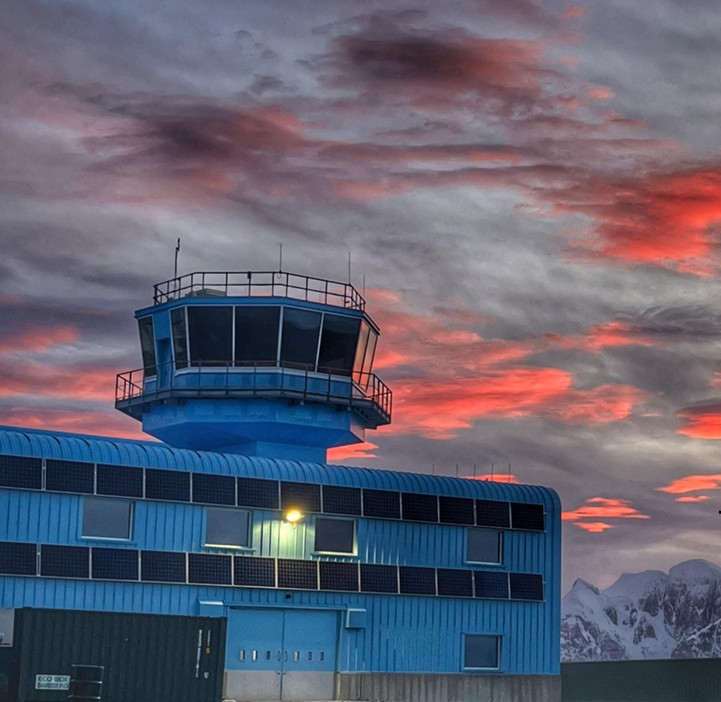 Discovery Building, Rothera Research Station, Antarctica ©BAM
The Discovery Building at Rothera Research Station is designed and constructed as part of the Antarctic Infrastructure Modernisation Programme and delivered in collaboration with partners BAM UK & Ireland, Sweco, Ramboll, Hugh Broughton Architects, NORR and Turner & Townsend and G&A Barnie Group Ltd.