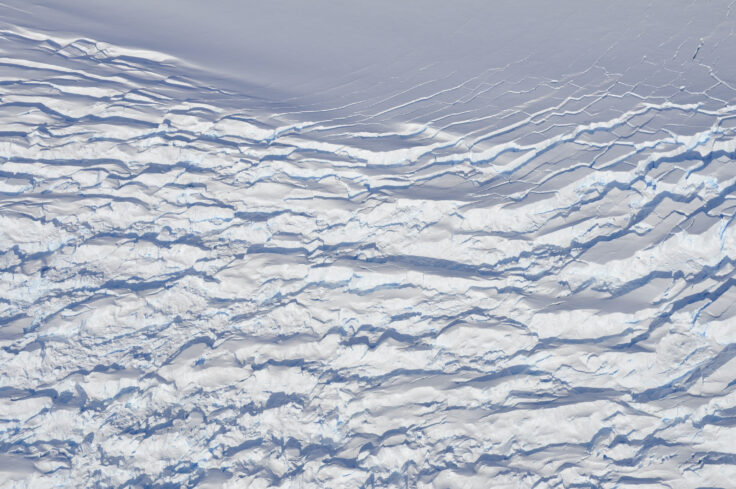
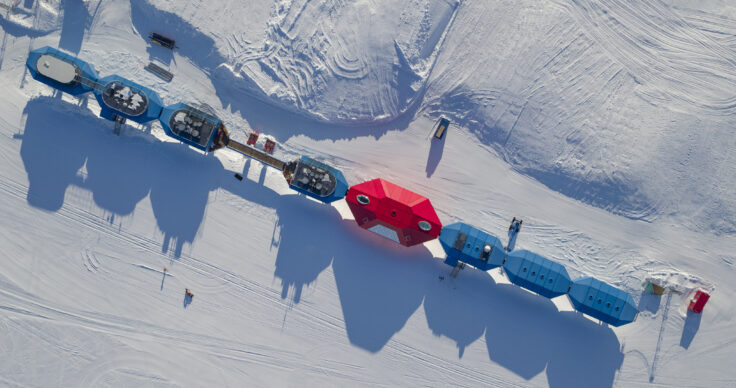
Brunt Ice Shelf in Antarctica calves new iceberg
New iceberg, the size of the Isle of Wight, is expected to be called A-83
49 to 60 of 372 results
New iceberg, the size of the Isle of Wight, is expected to be called A-83
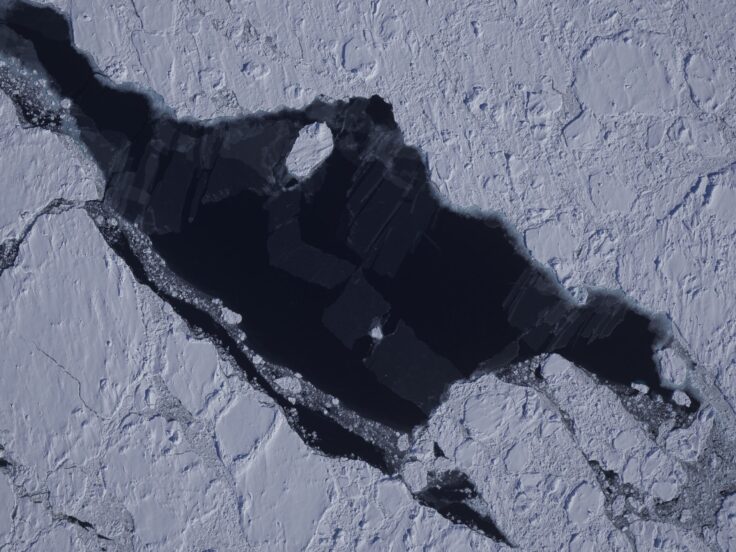
Scientists at the British Antarctic Survey (BAS) have found that the record-low levels of sea ice around Antarctica in 2023 were extremely unlikely to happen without the influence of climate change.
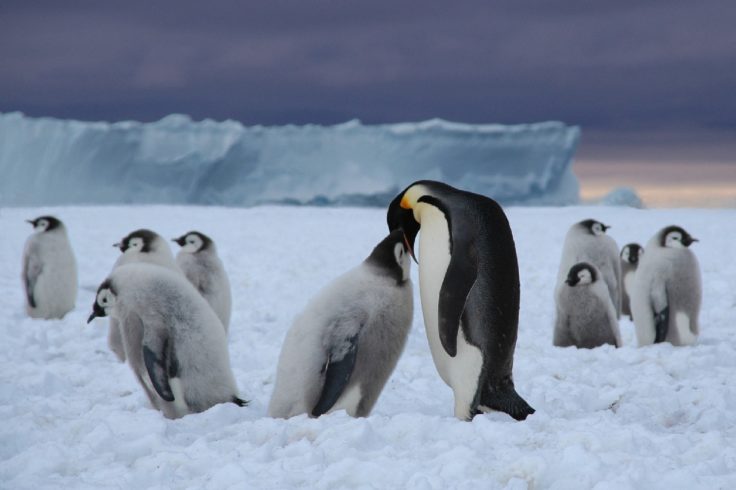
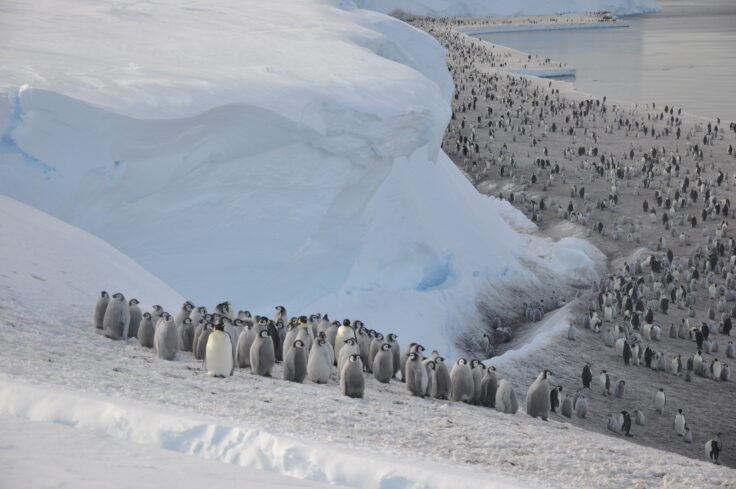
Record low levels of Antarctic sea-ice in late 2023 resulted in breeding failures in a fifth of the continent’s emperor penguin colonies, according to a new study from British Antarctic Survey (BAS).
Scientists have discovered a landscape of rocky hills and smooth plains beneath the remote Thwaites Glacier in West Antarctica.
Scientists are a step closer to being able to predict when large icebergs will calve in Antarctica.
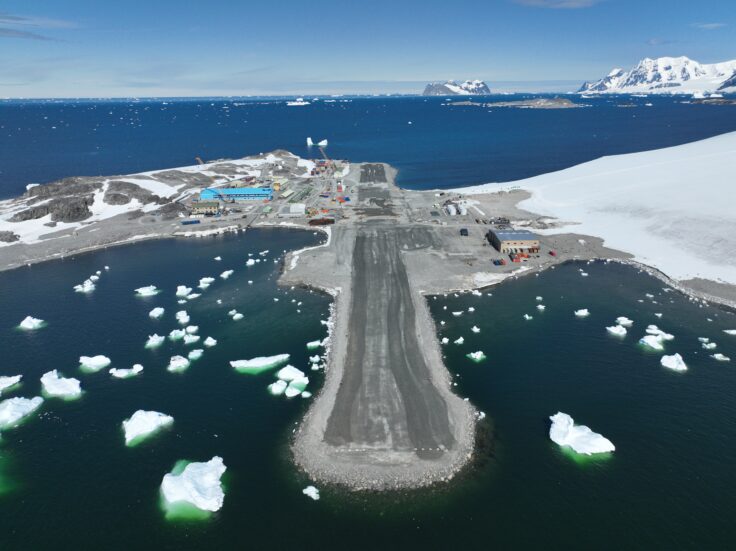
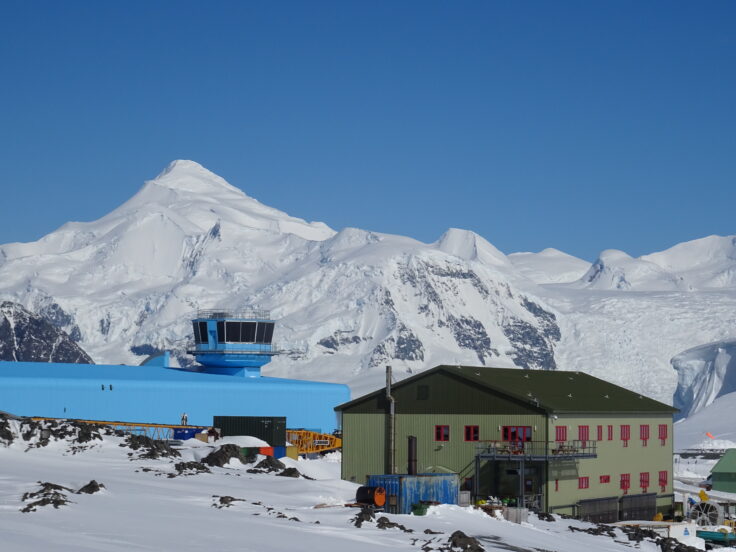
As part of the British Antarctic Survey’s (BAS) Antarctic Infrastructure Modernisation Programme (AIMP), the runway at Rothera Research Station has successfully been resurfaced by construction company BAM and the design completed by Ramboll.
Scientists from British Antarctic Survey have discovered four previously unknown emperor penguin breeding sites.
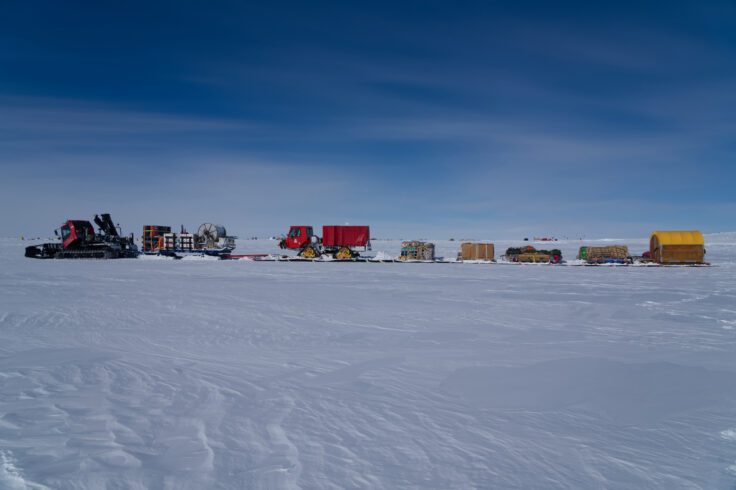
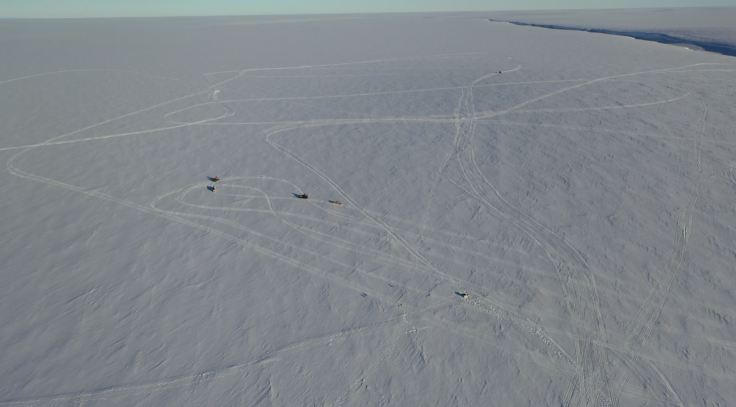
A team of scientists from the British Antarctic Survey (BAS) is gearing up for an expedition to the Brunt Ice Shelf in Antarctica to unravel the mysteries behind the calving processes that result in the formation of colossal icebergs.
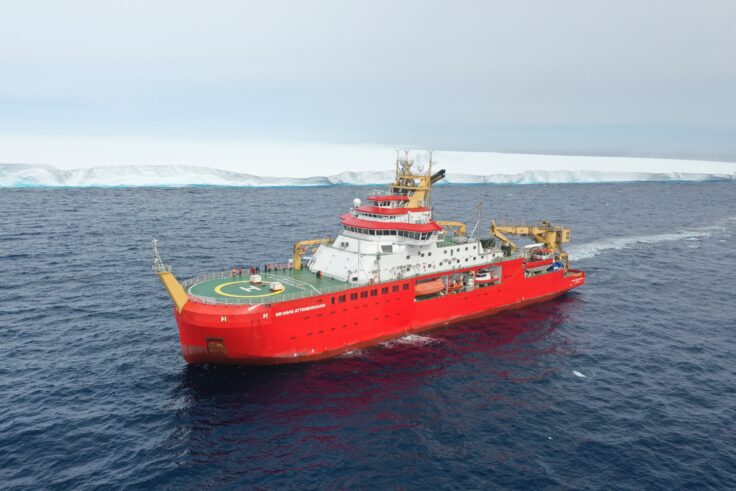
Scientists aboard the RRS Sir David Attenborough collected samples of seawater around the A23a mega iceberg, the largest iceberg in the world.
Construction has begun in Antarctica for the British Antarctic Survey (BAS) with specialists arriving at Rothera Research Station to progress several projects to secure the future of polar operations and research.
Polar science could reach new heights as researchers prepare to test the new Windracers ULTRA autonomous drone in Antarctica this season.
Antarctic fur seals that were hunted to near extinction have recovered but now face dangerous decline because of a lack of food, new research suggests.