Cruising for clues: discovering invasive species in the Arctic with eDNA
Scientists have detected the DNA of an invasive marine species in Arctic Canada suggesting the region’s waters are no longer cold enough to be a natural barrier.


25 to 36 of 374 results
Scientists have detected the DNA of an invasive marine species in Arctic Canada suggesting the region’s waters are no longer cold enough to be a natural barrier.
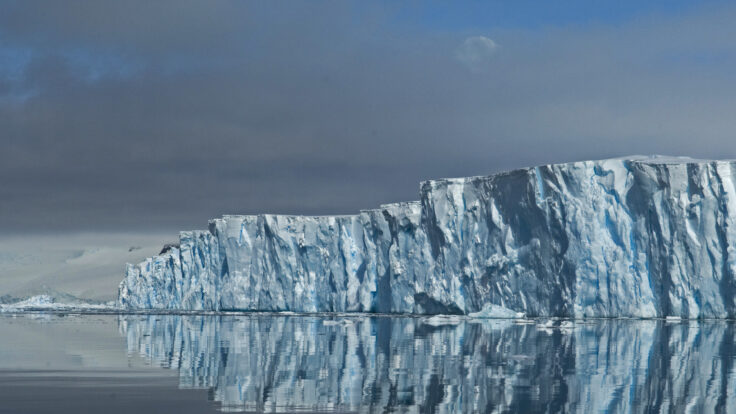
A new study has revealed that ocean tides can directly influence when massive Antarctic icebergs break off from the ice shelves surrounding the continent, a process known as calving. The research marks a major step toward accurately forecasting ice loss from the Antarctic Ice Sheet and improving projections of global sea level rise.
A consignment of ancient ice from Antarctica, extracted as part of the Beyond EPICA – Oldest Ice project, arrived at the British Antarctic Survey (BAS) in Cambridge for detailed analysis this month.
As the 2024/25 Antarctic construction season comes to a close, the British Antarctic Survey (BAS) marks a crucial milestone in the modernisation of Rothera Research Station, as the Discovery Building comes into operational use.
ew study reveals how Antarctic seals are responding to shifts in Antarctic sea ice and what long term changes could mean for their future survival.
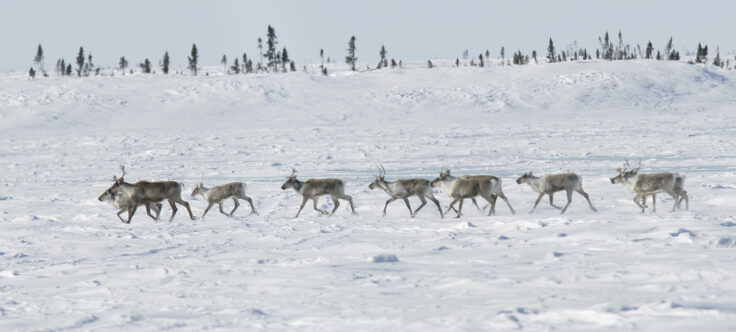
Artificial intelligence sea ice forecasting systems could help predict and protect the migration routes of endangered caribou in the Canadian Arctic, according to a new study.
The British Antarctic Survey’s (BAS) new scientific support and operations facility, the Discovery Building, is now coming into operational use at Rothera Research Station in Antarctica.
This week, the world will mark the 40th anniversary of a moment that changed the course of history: the publication in Nature of ground-breaking research that presented the discovery of the ozone hole on 16 May 1985.
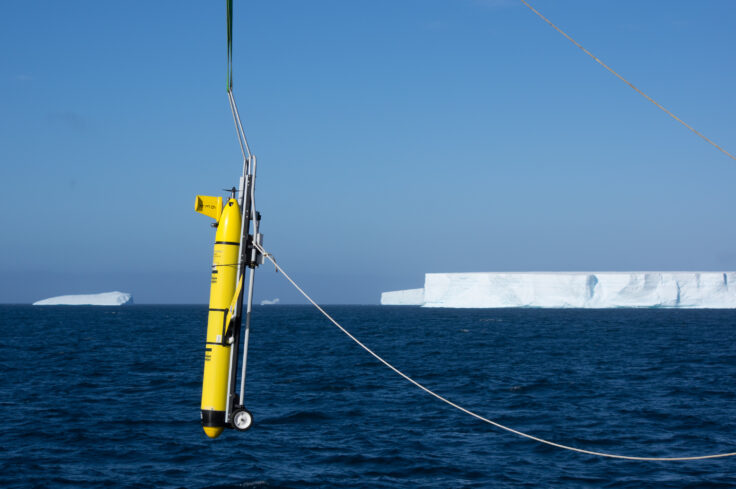
Scientists have collected measurements close to a giant iceberg, giving an unprecedented window into the impact of meltwater on the surrounding Southern Ocean and ecosystem.
The most detailed map yet of the landscape beneath Antarctica’s ice sheet has been assembled by a team of international scientists led from the British Antarctic Survey.
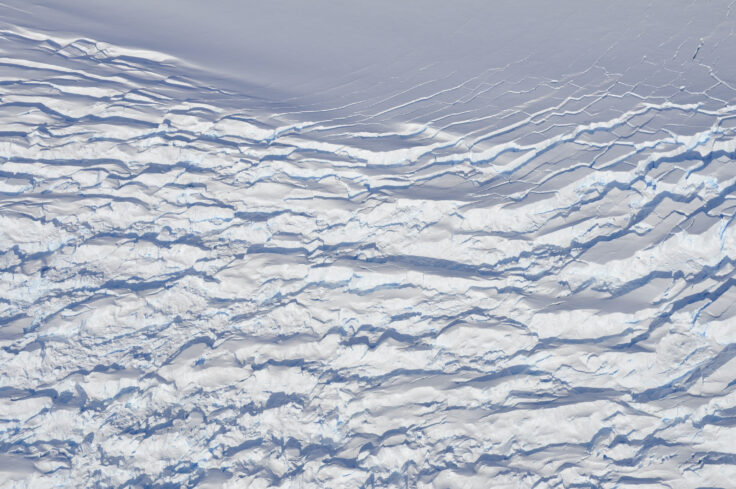
Extreme precipitation events in Antarctica, which are mostly dominated by snowfall due to sub-zero temperatures, also include rainfall, according to new research.
Scientists have discovered microplastics in the snow near some of Antarctica’s deep field camps, revealing how far-reaching plastic pollution has become.