British Antarctic Survey unveils pilotless plane for testing in Antarctica
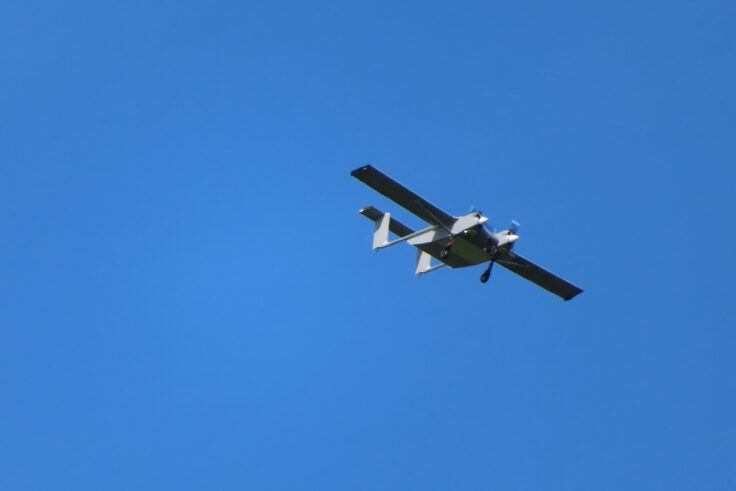
Polar science could reach new heights as researchers prepare to test the new Windracers ULTRA autonomous drone in Antarctica this season.

61 to 72 of 374 results
Polar science could reach new heights as researchers prepare to test the new Windracers ULTRA autonomous drone in Antarctica this season.
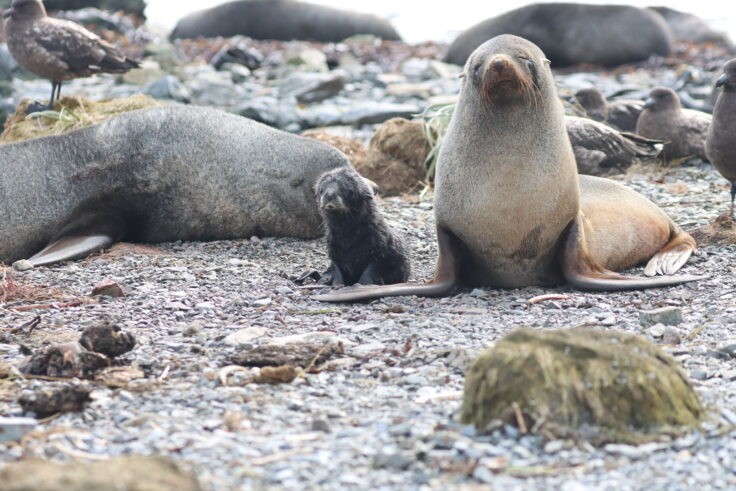
Antarctic fur seals that were hunted to near extinction have recovered but now face dangerous decline because of a lack of food, new research suggests.
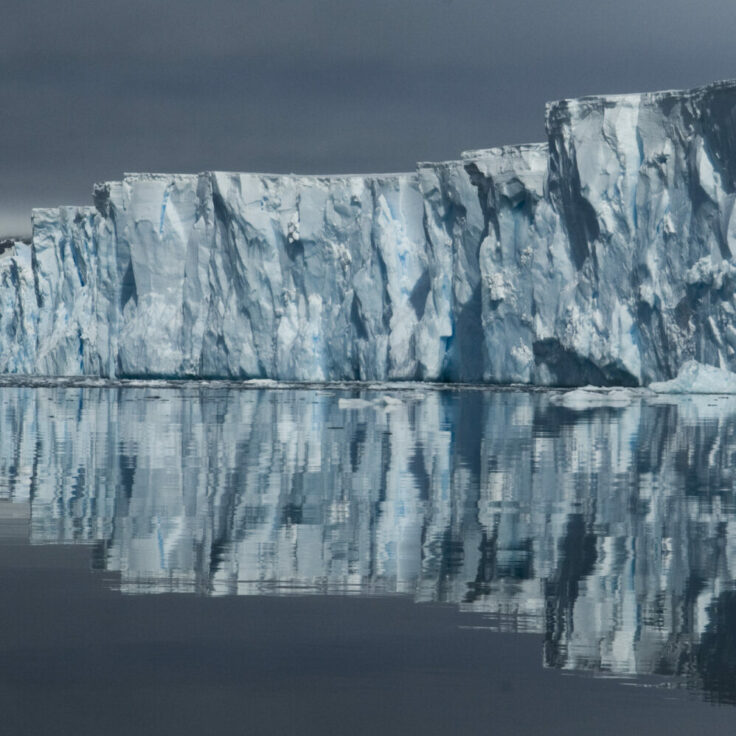
New measurements of how the boundary between onshore glacier and floating ice shelf glides back-and- forth could help predict melting
The melting of the supergiant iceberg A-68 had a huge impact on the ocean around South Georgia, in sub-Antarctica, and significantly changed the Southern Ocean’s temperature and saltiness, with potentially major consequences for this ecologically significant region.
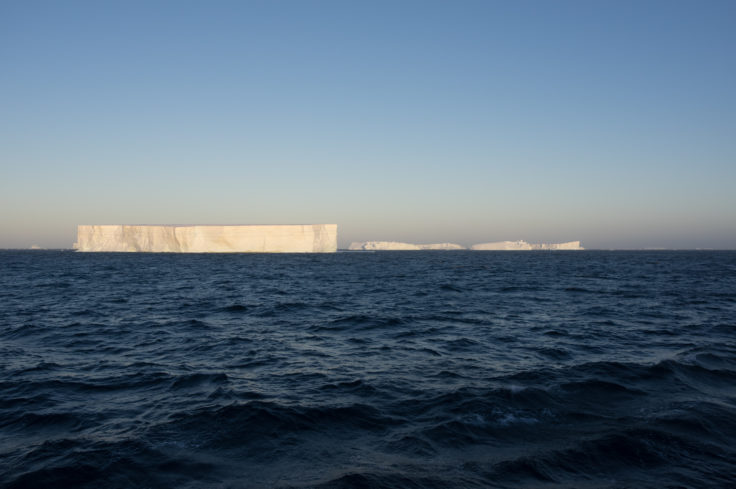
Following the calving of the A-81 iceberg at the end of January 2023, the Brunt Ice Shelf is moving faster than before. It is currently moving approximately 4 metres a day towards the sea, whereas before the calving it moved at an average of between 1-2.5 metres a day.
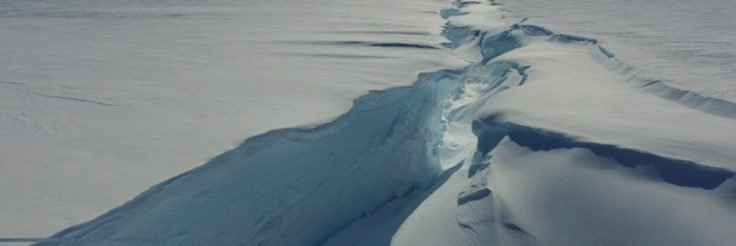
Emperor penguin colonies experienced unprecedented breeding failure in a region of Antarctica where there was total sea ice loss in 2022.
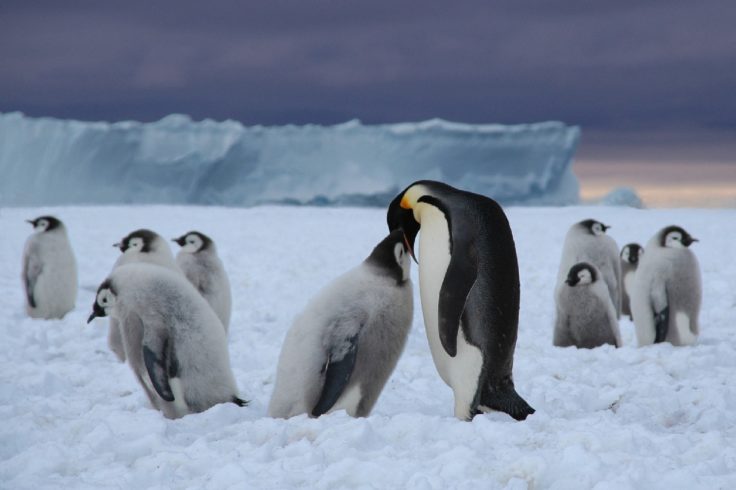
Extreme events in Antarctica such as ocean heatwaves and ice loss will almost certainly become more common and more severe, researchers say. With drastic action now needed to limit global […]

British Antarctic Survey (BAS) is using Hydrotreated Vegetable Oil (HVO) for the first time on the RRS Sir David Attenborough, as an alternative to conventional diesel fuel, as part of […]
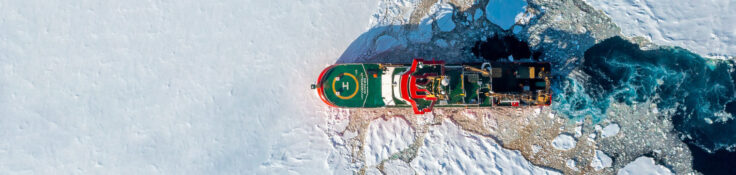
Extreme space weather threatens vital satellites orbiting the Earth, including the Global Navigation Satellite Systems (GNSS) which pass through the heart of the outer radiation belt. New research led by […]

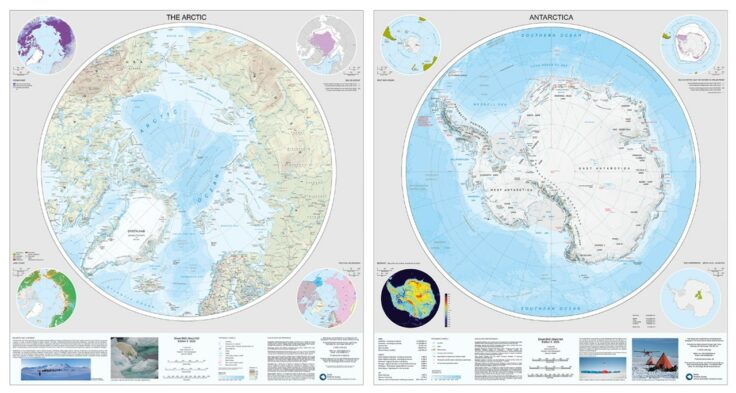
Dramatic changes in the Polar Regions are reflected in a new edition map of Antarctica and the Arctic produced by cartographers at the British Antarctic Survey (BAS). The flagship printed […]
The ground beneath Antarctica’s most vulnerable glacier has been mapped for the first time, helping scientists to better understand how it is being affected by climate change. Analysis of the […]
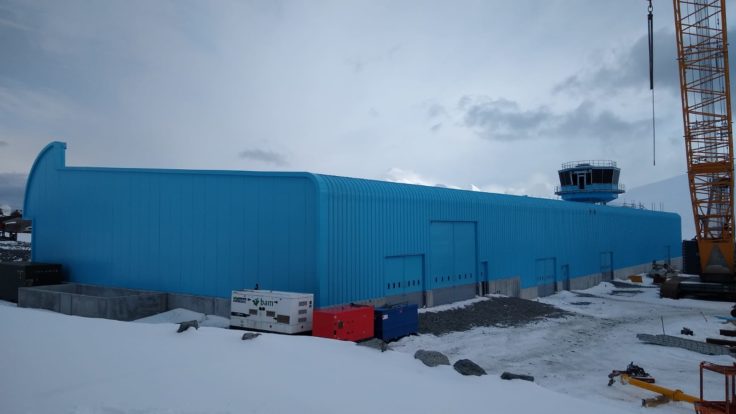
A new scientific and operational support facility at Rothera Research Station for British Antarctic Survey has been made weathertight, with the cladding complete and an operations tower installed.