Penguin population collapse on volcanic island
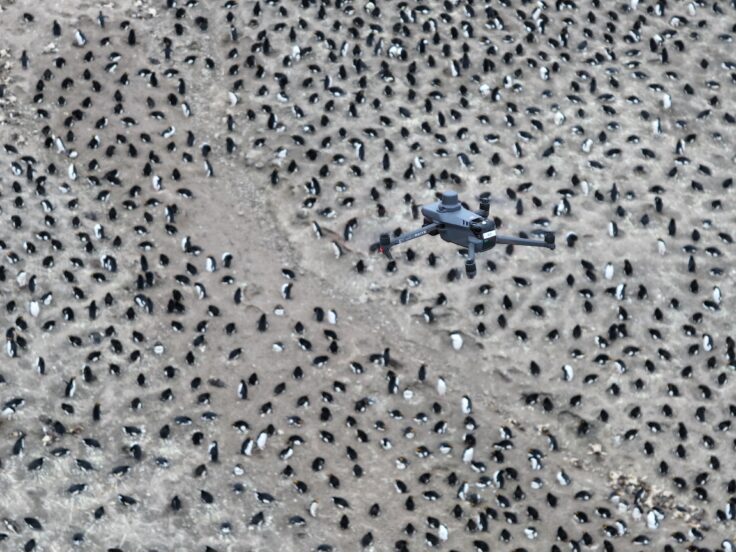
New research reveals the loss of half a million chinstrap penguins from the Antarctic island of Zavodovski, as scientists fear they may now qualify as an ‘Endangered’ species.

1 to 12 of 374 results
New research reveals the loss of half a million chinstrap penguins from the Antarctic island of Zavodovski, as scientists fear they may now qualify as an ‘Endangered’ species.
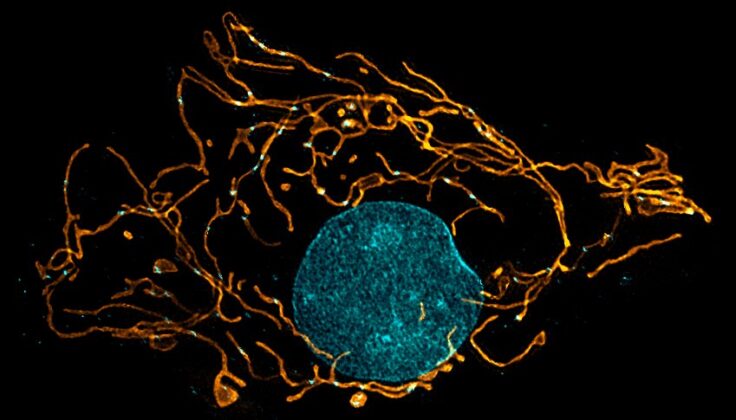
Cambridge engineers have built the first microscope to see inside living cells in sub-zero conditions, revealing secrets of Antarctic fish survival.
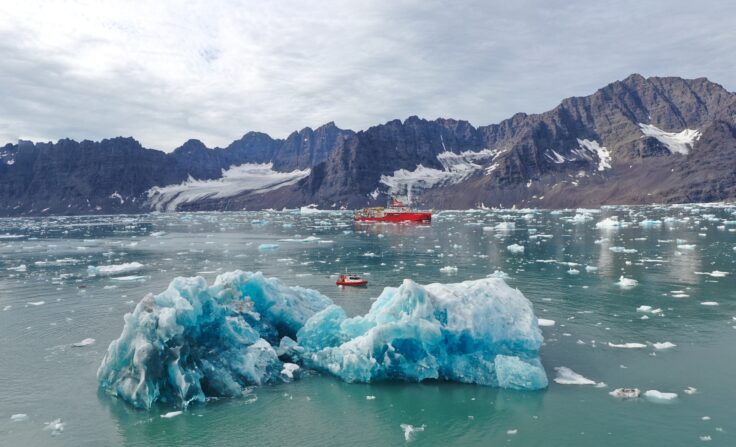
An international team is collecting observations to understand how a melting Greenland is affecting ocean currents, which could cause weather change in UK and Europe
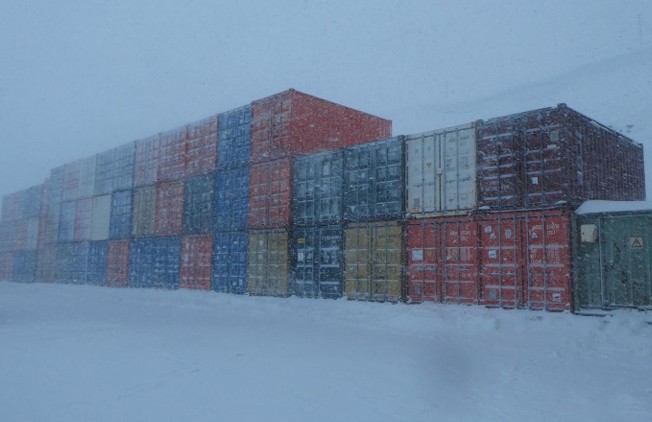
As the 2025/26 Antarctic construction season comes to an end, we look back at our collaborative efforts and achievements.
New research warns of growing threat to fragile Antarctic plant ecosystems – but cutting emissions could prevent the worst outcomes.

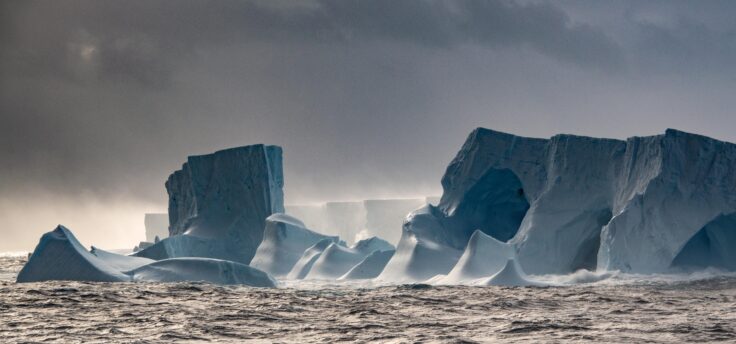
Scientists studying world’s largest and most famous icebergs find surprising differences in how they affect ocean life.
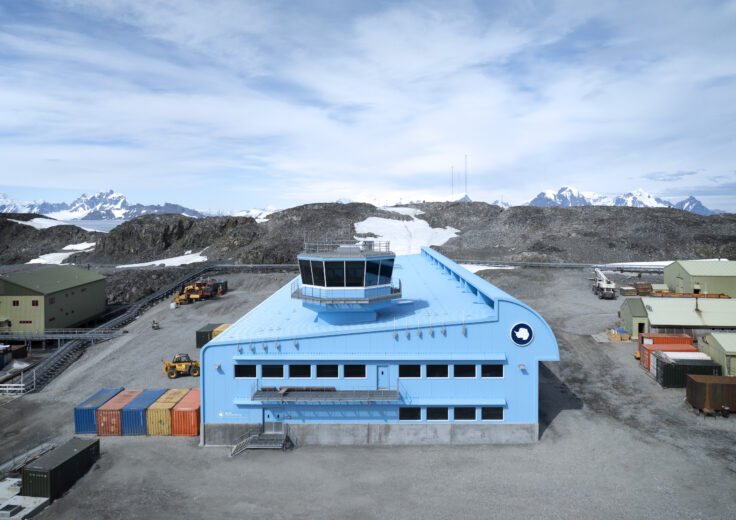
Reaching a standard attained by fewer than one in a hundred buildings globally is a landmark moment for sustainable building, achieved in the Antarctic Peninsula where construction and operational challenges are unlike anywhere else on Earth.
Enhancing resilience, reducing environmental impact through shared logistics, and ensuring our teams can continue their vital scientific and operational work safely and efficiently.
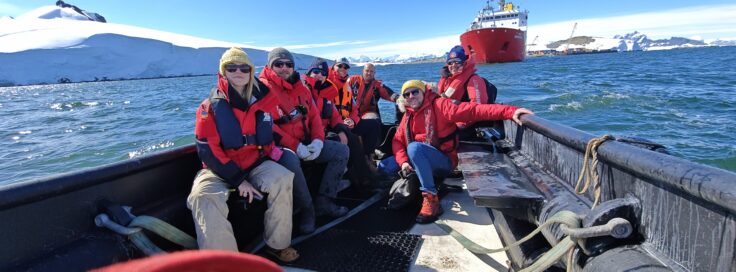
An international team of scientists is heading to Greenland this summer for a two-month expedition to discover how quickly the ice sheet’s rapidly melting glaciers are pushing the Atlantic Ocean towards a critical climate tipping point.

A new study concludes that warm ocean water was the primary driver of major West Antarctic Ice Sheet retreat since the end of the last ice age 18,000 years ago.

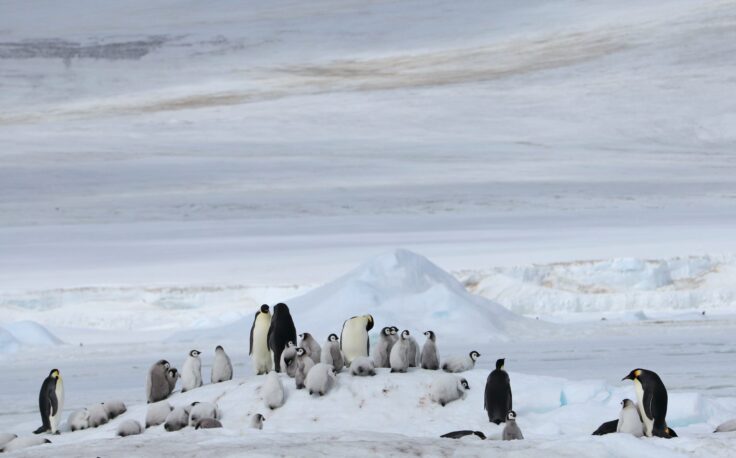
Scientists studying satellite images of Antarctica have stumbled upon a discovery that sheds new light on emperor penguins – and reveals a troubling threat to their survival.
A new study published in Science Advances has overturned a common assumption about earthquake prediction: that major earthquakes follow predictable cycles, and that regions can be ‘overdue’ for the next big one.