Microplastics discovered in Antarctica
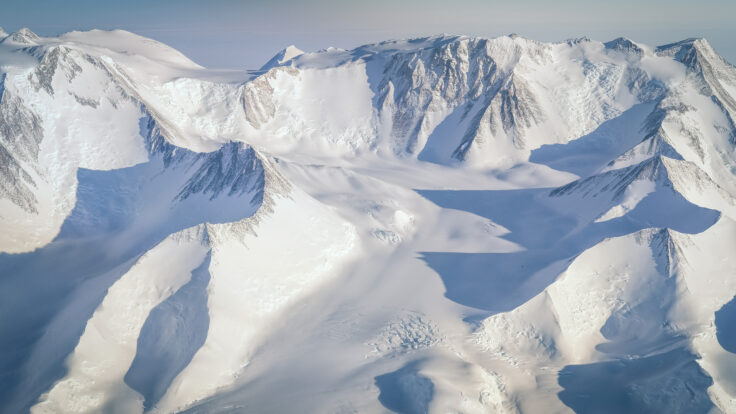
Scientists have discovered microplastics in the snow near some of Antarctica’s deep field camps, revealing how far-reaching plastic pollution has become.

37 to 48 of 375 results
Scientists have discovered microplastics in the snow near some of Antarctica’s deep field camps, revealing how far-reaching plastic pollution has become.
Scientists return to the Southern Ocean this week (5 February 2025), as part of the BIOPOLE project, to answer fundamental questions about how nutrients drive the global carbon cycle and ocean ecosystems.
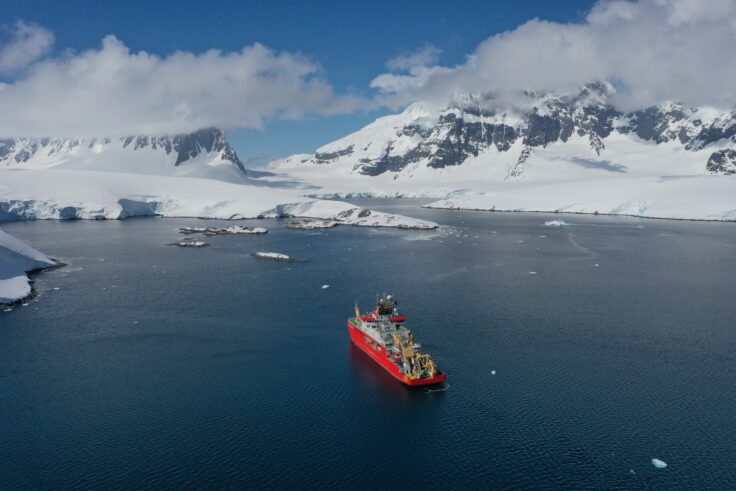
Escape the ordinary and apply for the job of a lifetime in Antarctica.

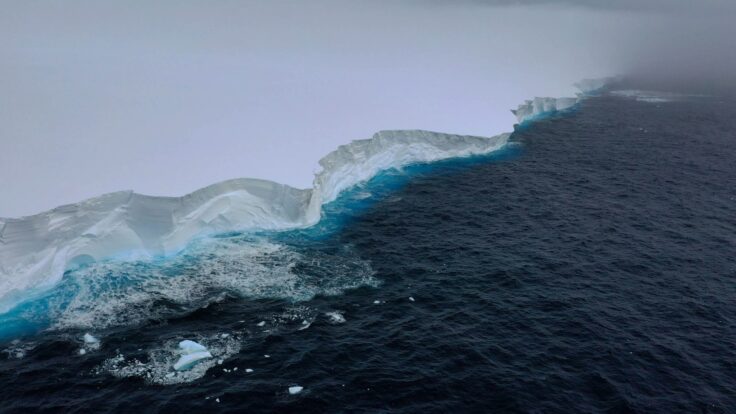
The world’s largest and oldest iceberg A23a is on the move. After decades of being grounded on the seafloor and more recently spinning on the spot, the mega-iceberg has broken free from its position north of the South Orkney Islands and is now drifting in the Southern Ocean.
Polar ice sheets are critical for climate projections, according to new research published today in the journal Nature Communications Earth & Environment. Improving understanding of the Greenland and Antarctic ice sheets is essential for reducing the uncertainty around climate tipping points, and vital for guiding projections for a rapidly changing future climate.

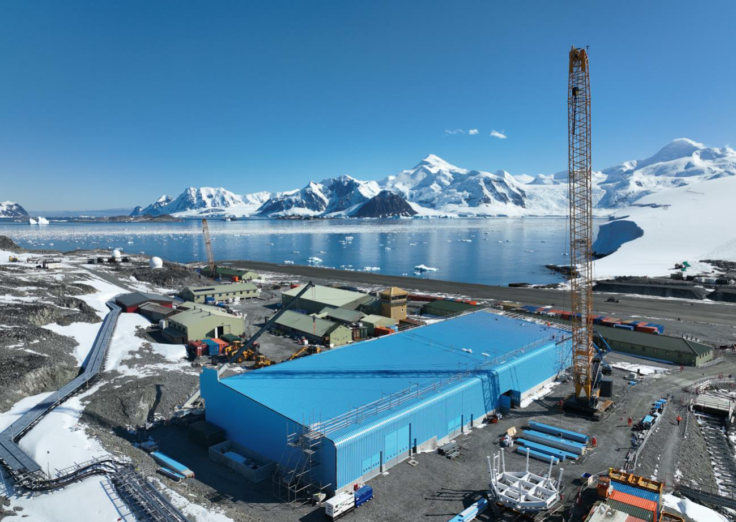
A new season of construction is underway in Antarctica for the British Antarctic Survey (BAS). Specialist teams are arriving at Rothera, the UK’s largest research station and gateway for international science and collaboration.
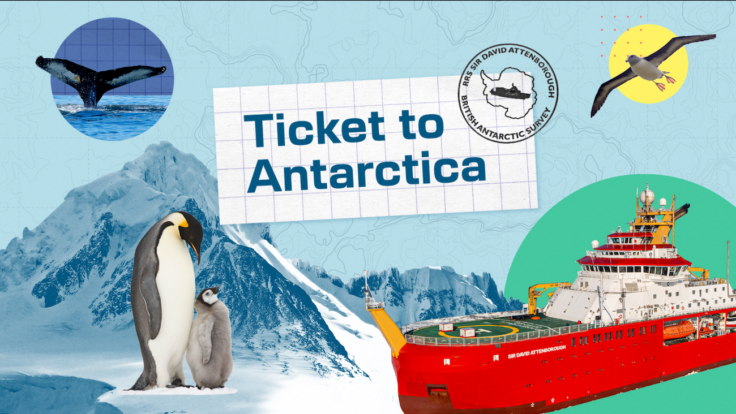
It’s not too late to sign up to Ticket to Antarctica. Your name can join RRS Sir David Attenborough in the Falkland Islands
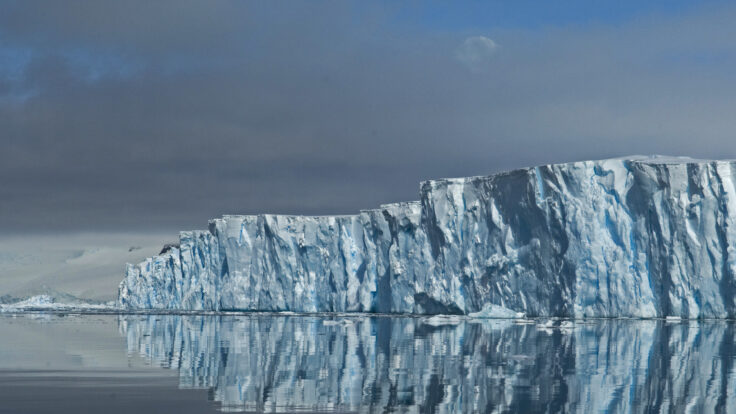
New science briefing summarises results of the ambitious international collaboration to study Antarctica’s most worrying glacier
Your name will go on a journey to the frozen wilderness!
New project seeks to inspire, educate and entertain the public about Antarctica.
An interdisciplinary team of researchers is heading back to Greenland this week (30 July) for the second phase of the Wandel Dal Project.

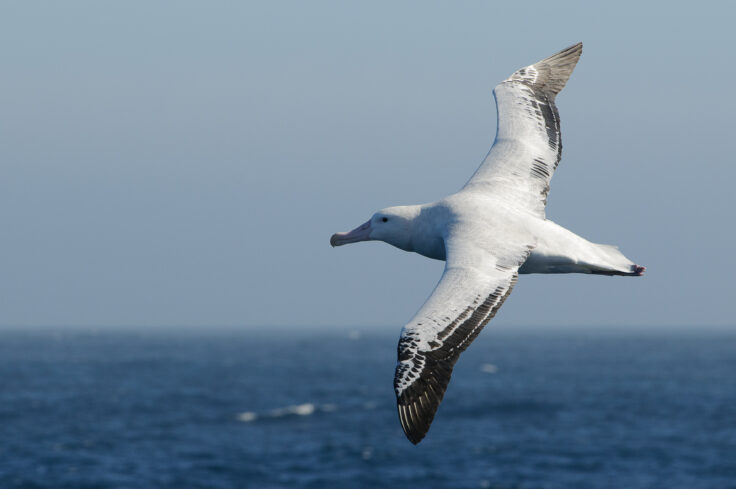
Seabirds are among the most threatened creatures globally, often due to incidental mortality (bycatch) in fisheries.
A team will work in south-east Greenland to advance our understanding of the region’s rapidly decaying ice sheet and its impacts on ocean and global climate systems.