Brunt Ice Shelf in Antarctica calves giant iceberg
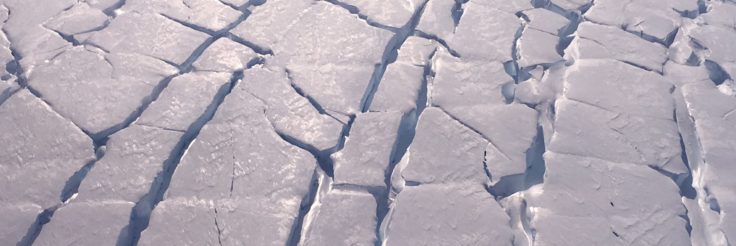
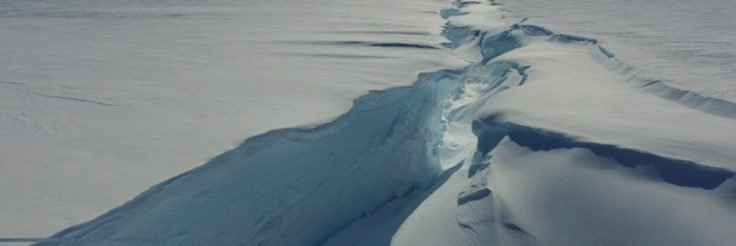
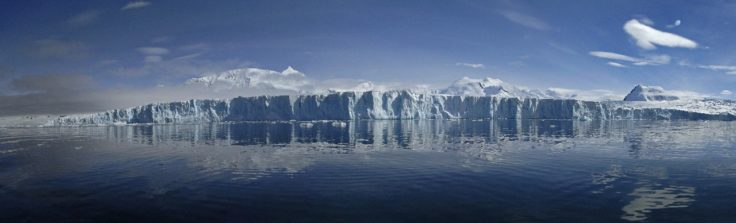
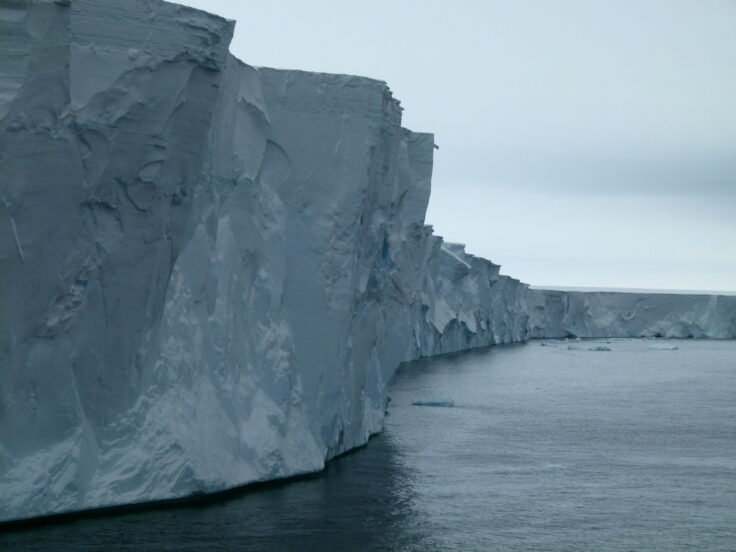
ANTARCTICA – 23 January 2023. A huge iceberg (1550 km²), almost the size of Greater London, has broken off the 150m thick Brunt Ice Shelf. It calved after cracks that […]
73 to 84 of 371 results
ANTARCTICA – 23 January 2023. A huge iceberg (1550 km²), almost the size of Greater London, has broken off the 150m thick Brunt Ice Shelf. It calved after cracks that […]
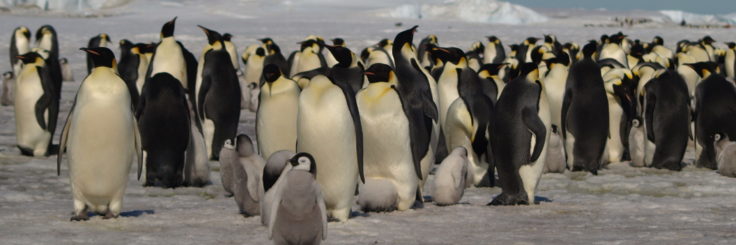
Scientists have discovered a new emperor penguin colony in Antarctica using satellite mapping technology. This new colony makes a total of 62 known emperor penguin colonies around the coastline of […]
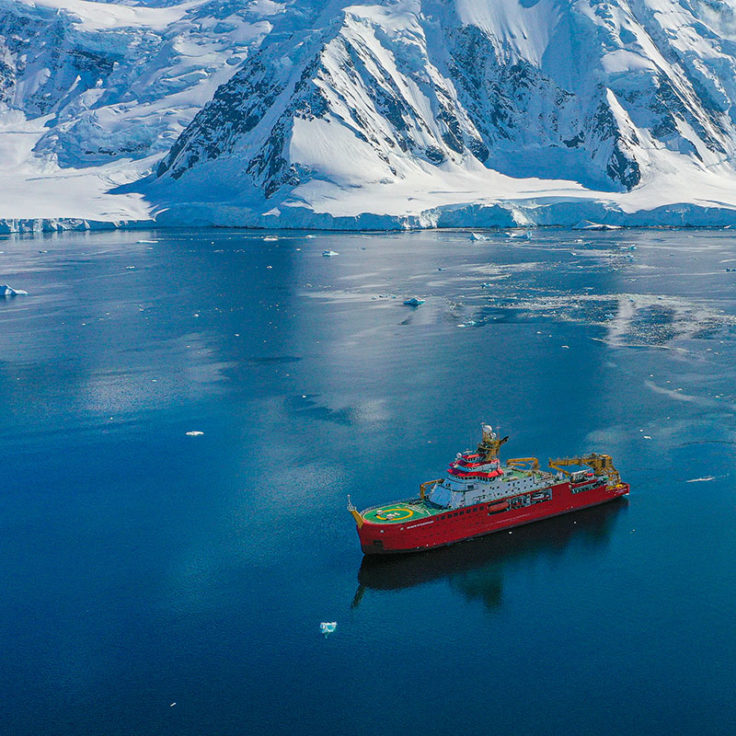
Scientists on a research vessel in Antarctica watched the front of a glacier disintegrate and their measurements ‘went off the scale’. As well as witnessing disruptions on the ocean surface, […]
Artificial Intelligence (AI) will enable ships navigating in polar ocean conditions to be more efficient using a new route planning tool created by British Antarctic Survey (BAS) researchers. The tool […]
Satellites face greater chances of collision with space debris as a result of reduced density in the upper atmosphere. Increasing levels of CO2 in the Earth’s atmosphere will result in […]
The amazing survival strategies of polar marine creatures might help to explain how the first animals on Earth could have evolved earlier than the oldest fossils suggest according to new […]
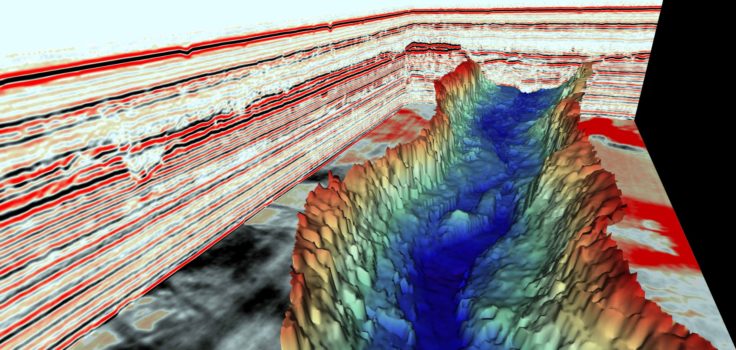
Deep valleys buried under the seafloor of the North Sea record how the ancient ice sheets that used to cover the UK and Europe expelled water to stop themselves from […]
Pine Island Ice Shelf in West Antarctica, which holds back enough ice to raise sea levels by 0.5 metres, could be more vulnerable to complete disintegration than previously thought. A […]
Scientists have recorded markedly increased levels of ‘fluorinated forever chemicals’ in Antarctic snow which are thought to have originated from the use of CFC-replacements.
Researchers are heading to the Arctic to begin fieldwork to study walrus populations for the next stage in the Walrus from Space project.
A new study featuring contributions from British Antarctic Survey (BAS) scientists has predicted the top emerging threats to ocean biodiversity over the coming decades.
A new report published today (Tuesday 24 May) sends a strong message to countries responsible for Antarctic governance meeting this week in Berlin, that there’s a need for urgent action on minimising climate change impacts in Antarctica and their far-reaching global consequences.