PRESCIENT
PRESCIENT supports long-term, strategically important measurements and capabilities for the wider science community.

121 to 132 of 153 results
PRESCIENT supports long-term, strategically important measurements and capabilities for the wider science community.
How does a woman born in 1950s England go on to earn a PhD in geology, spend weeks at a time researching in Antarctica, become the director of the British […]

Ice streams such as Pine Island and Thwaites Glaciers which terminate at their ice shelves in the eastern Amundsen Sea, West Antarctica, are losing mass faster than most others about […]

The Amundsen Sea Embayment of the West Antarctic Ice Sheet contains Thwaites and Pine Island Glaciers, two of the most rapidly changing glaciers in Antarctica. To date, Pine Island and […]
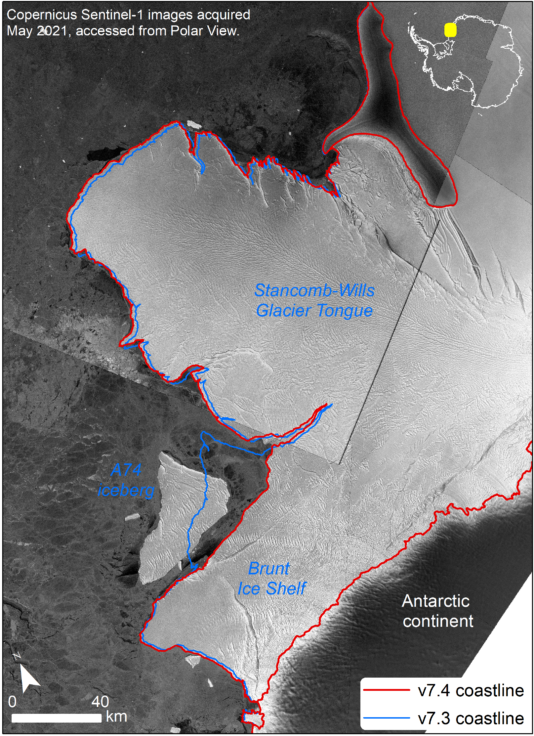
Welcome to the new Antarctic Digital Database (ADD) blog series, updating our users about each update of the datasets in the ADD and about other pieces of work happening in […]
This accessibility statement applies to www.bas.ac.uk This website is run by British Antarctic Survey. We want as many people as possible to be able to use this website. For example, […]
Our strategy and work streams to meet Net Zero goals
During the 2010/2011 Antarctic field season a collaborative NERC AFI (Antarctic Funding Initiative) project studying the basal boundary conditions of the Institute & Moller ice streams, West Antarctica, collected ~25,000 […]
During the 2010/2011 Antarctic field season a collaborative NERC AFI (Antarctic Funding Initiative) project studying the basal boundary conditions of the Institute & Moller ice streams, West Antarctica, collected ~25,000 […]
During the 2010/2011 Antarctic field season a collaborative NERC AFI (Antarctic Funding Initiative) project studying the basal boundary conditions of the Institute & Moller ice streams, West Antarctica, collected ~25,000 […]
Melting at the base of the Antarctic Ice Sheet influences ice dynamics and our ability to recover ancient climatic records from deep ice cores. Basal melt rates are affected by […]
New funding stream for sustainable observation and unique BAS British Antarctic Survey (BAS) scientific capabilities