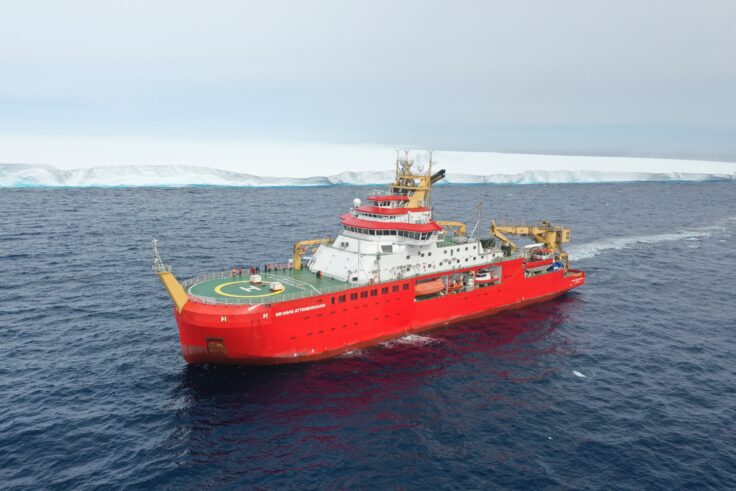
PRESS RELEASE: Ozone hole link to sea ice extent
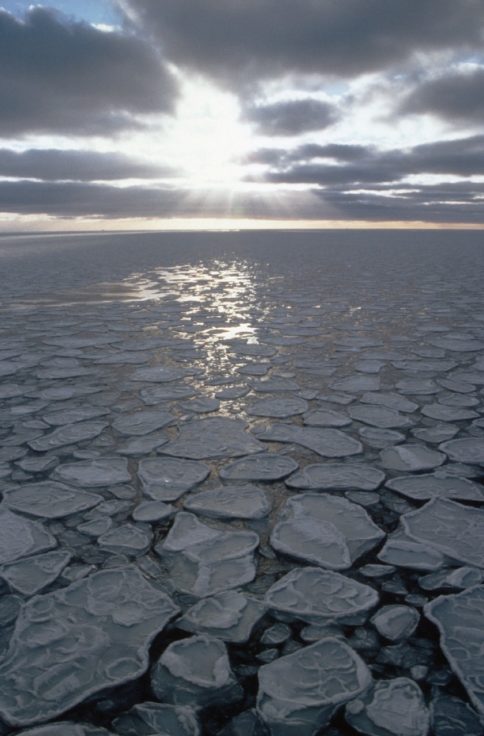
Increasing Antarctic sea ice extent linked to the ozone hole Increased growth in Antarctic sea ice during the past 30 years is a result of changing weather patterns caused by […]

109 to 120 of 153 results
Increasing Antarctic sea ice extent linked to the ozone hole Increased growth in Antarctic sea ice during the past 30 years is a result of changing weather patterns caused by […]
A grid derived from a new compilation of marine echo-sounding data sets has allowed us to visualize and map the geomorphology of the entire continental shelf around South Georgia at […]

Geophysical and geological data indicate that during the last glacial cycle a palaeo-ice stream drained the Antarctic Peninsula Ice Sheet (APIS) through Marguerite Bay to the edge of the continental […]
It is now almost 30 years since John Mercer (1978) first presented the idea that climate change could eventually cause a rapid deglaciation, or “collapse”, of a large part of […]
Scientists have discovered a warehouse-sized drumlin – a mound of sediment and rock – actively forming and growing under the ice sheet in Antarctica. Its discovery, and the rate at […]
20 December 2006 New research into the way the Antarctic ice sheet adds ice to the ocean reveals that tidal motion influences the flow of the one of the biggest […]
16 October 2006 PR No. 16/2006 Scientists are getting their first glimpse into the inner secrets of an ice shelf, thanks to the innovative application of a new radar technique […]
21 September 2004 No. 13/2004 Scientists have found a remarkable new structure deep within the West Antarctic Ice Sheet which suggests that the whole ice sheet is more susceptible to […]
Thump – Thump – Splash’ > Good ‘Thud’ > Bad Leaving aside the strange title of this diary, November has been a pretty eventful month for the Halley crew. We […]
A major new EU-funded project is bringing together 27 research institutions from around the world, including the British Antarctic Survey, to build a step-change in how we observe and understand the Southern Ocean and Antarctica.
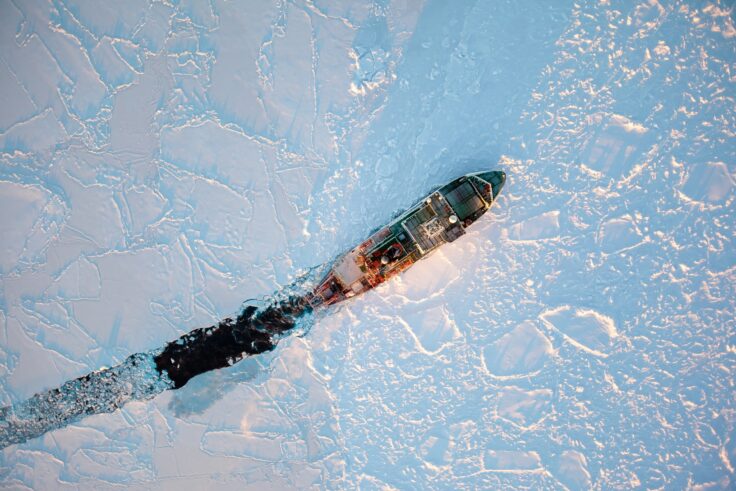
Scientists have been monitoring the ocean at Rothera Research Station almost without interruption since 1997. All that data adds up into a unique picture of the polar ocean.
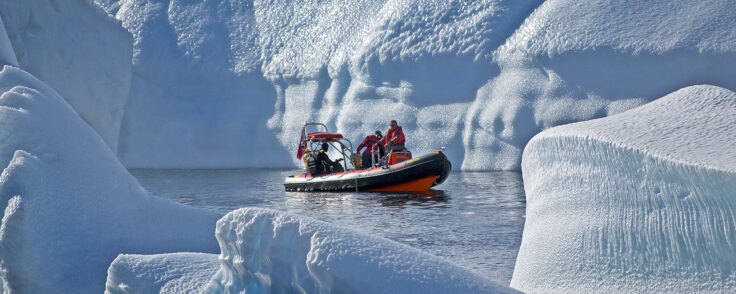
This summer British Antarctic Survey (BAS) hosted two paid internships through the 10,000 Black Interns scheme. We are committed to creating a workplace that is fair and inclusive and where […]