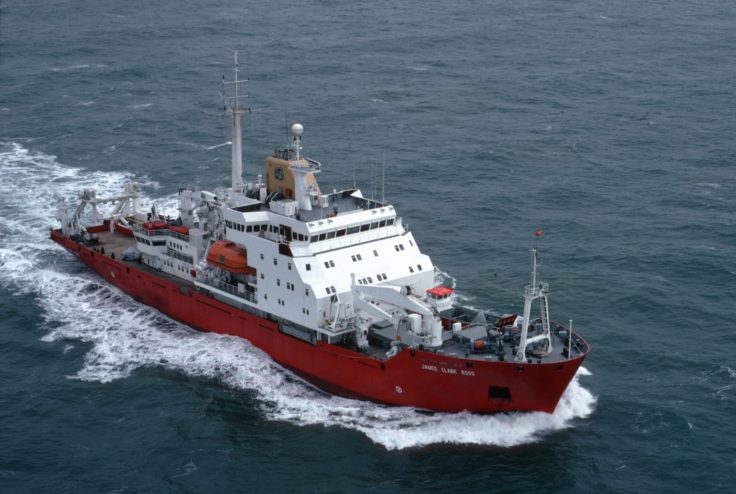
BAS Oceanographer selected for Special IPCC Report
The Intergovernmental Panel on Climate Change (IPCC) has selected Professor Mike Meredith from British Antarctic Survey (BAS) to be a coordinating lead author for a Special Report on the Ocean […]

49 to 60 of 99 results
The Intergovernmental Panel on Climate Change (IPCC) has selected Professor Mike Meredith from British Antarctic Survey (BAS) to be a coordinating lead author for a Special Report on the Ocean […]
Last week (12th July) Dr Emily Shuckburgh travelled to Pittsburgh, USA, and received the prestigious 2017 I. E. Block Community Lecture prize from SIAM – the Society for Industrial and […]
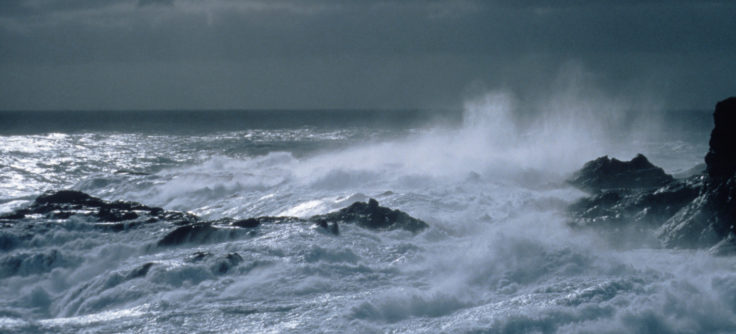
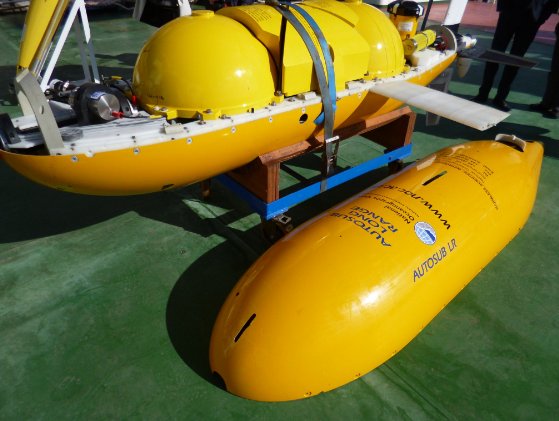
Researchers have captured unprecedented data about some of the coldest abyssal ocean waters on earth – known as Antarctic Bottom Water (AABW) – during the first voyage of the yellow […]
The levels of microplastic particles accumulating in the Antarctic are much worse than expected, a team of experts has warned. The continent is considered to be a pristine wilderness compared […]
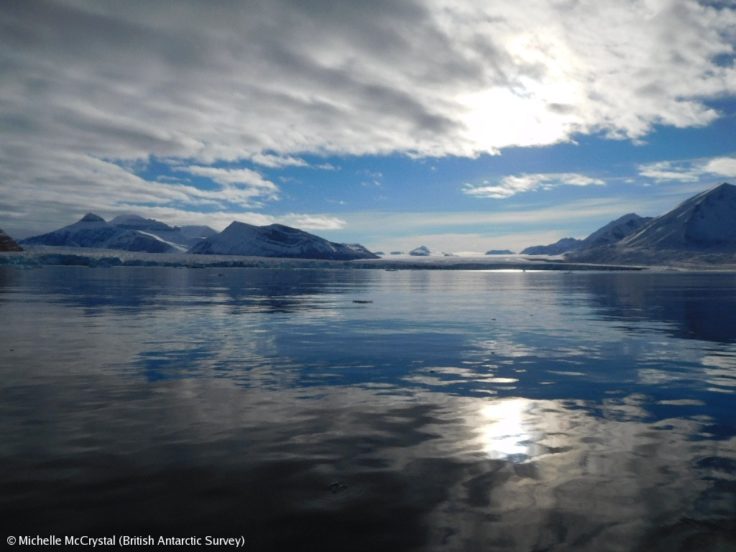
British Antarctic Survey (BAS) is delighted to be participating in this year’s Bluedot music festival in Macclesfield 7-9 July. The event, which last year attracted over 20,000 visitors, is billed […]
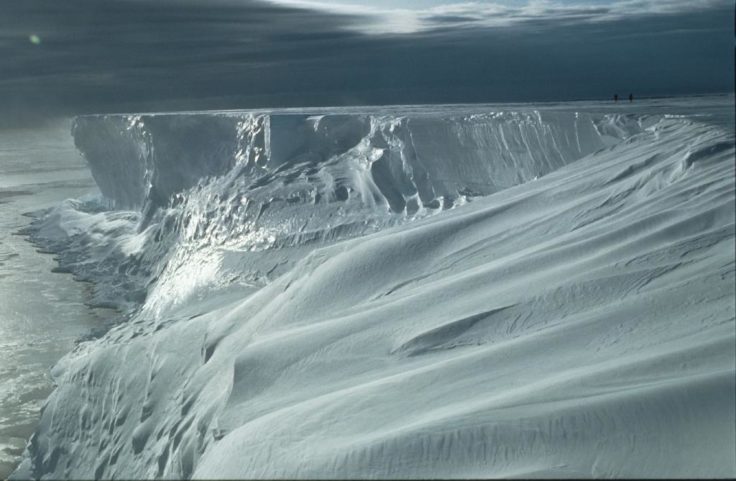
In this collaboration with the Natural History Museum (NHM) and the University of Liverpool, we have developed novel methods for using existing data to contribute to marine conservation and fisheries […]

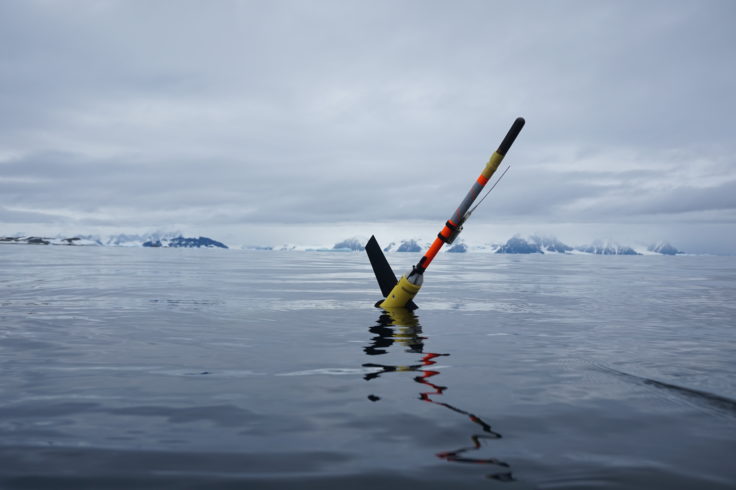
The unmanned submersible Boaty McBoatface was deployed in the Antarctic for the first time.
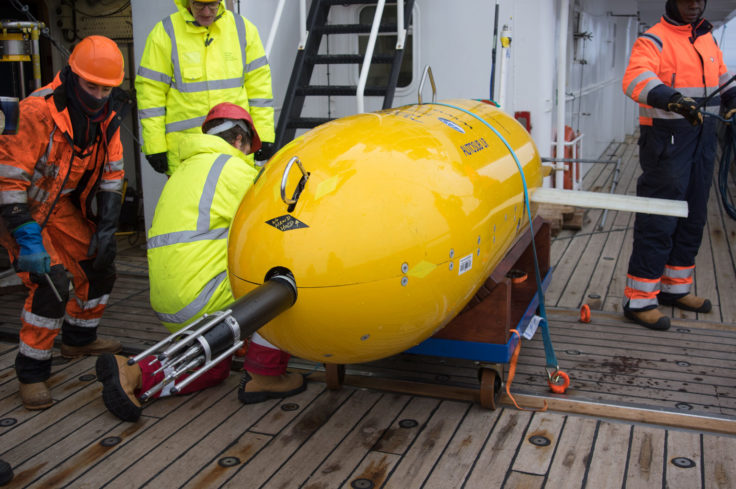
Local weather plays an important part in the retreat of the ice shelves in West Antarctica, according to new research published in the journal Nature Communications today (Friday 17 February). […]
An international team of researchers has discovered why fresh water, melted from Antarctic ice sheets, is often detected below the surface of the ocean, rather than rising to the top […]
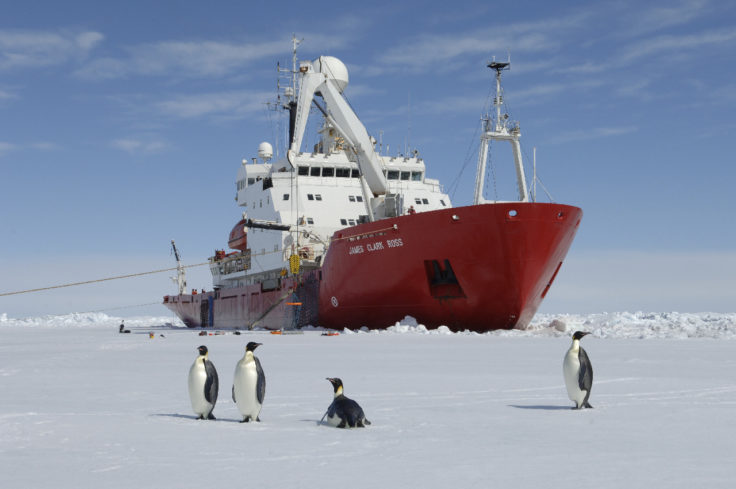
New study reveals when West Antarctica’s largest glacier started retreating Reporting this week (Wednesday 23 November) in the journal Nature an international team led by British Antarctic Survey (BAS) explains […]
Keel-laying ceremony at Cammell Laird
On 20 September 2016 the British Antarctic Survey ship, the RRS James Clark Ross, set sail on its long voyage from Immingham in the UK to Stanley in the Falkland […]