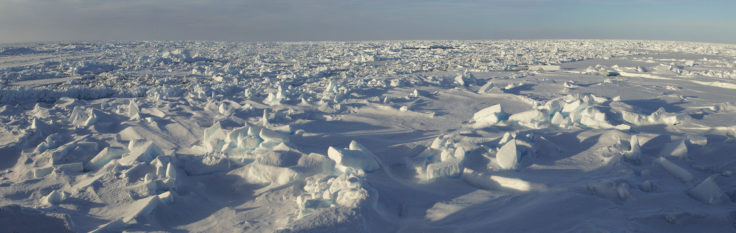
Polar ice reveals secrets of carbon-climate feedbacks
An international team of scientists have used air bubbles in polar ice from pre-industrial times to measure the sensitivity of the Earth’s land biosphere to changes in temperature.

181 to 192 of 227 results
An international team of scientists have used air bubbles in polar ice from pre-industrial times to measure the sensitivity of the Earth’s land biosphere to changes in temperature.
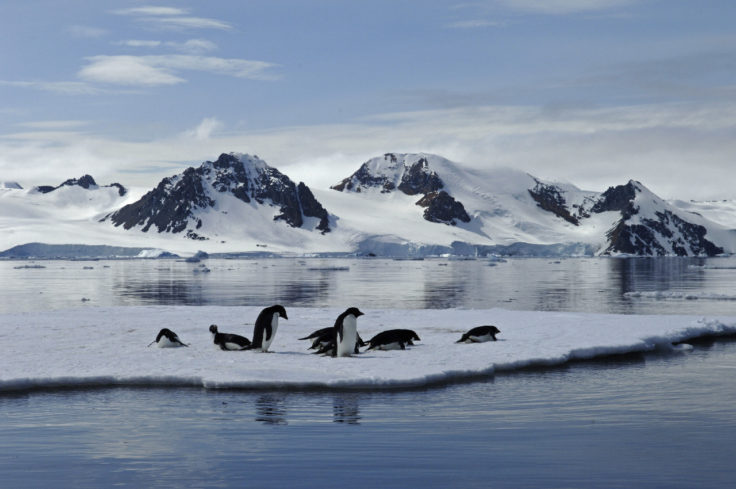
The rapid warming of the Antarctic Peninsula, which occurred from the early-1950s to the late 1990s, has paused. Stabilisation of the ozone hole along with natural climate variability were significant in bringing about the change. Together these influences have now caused the northern part of the peninsula to enter a temporary cooling phase. Temperatures remain higher than measured during the middle of the 20th Century and glacial retreat is still taking place. However, scientists predict that if greenhouse gas concentrations continue to rise at the current rate, temperatures will increase across the Antarctic Peninsula by several degrees Centigrade by the end of this century.
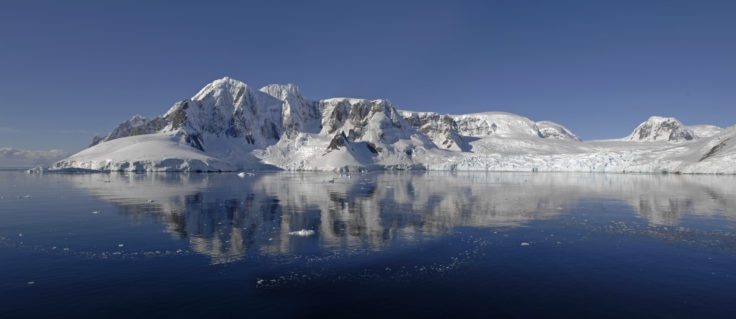
A new study has found for the first time that ocean warming is the primary cause of retreat of glaciers on the Antarctic Peninsula. The Peninsula is one of the largest current contributors to sea-level rise and this new finding will enable researchers to make better predictions of ice loss from this region.
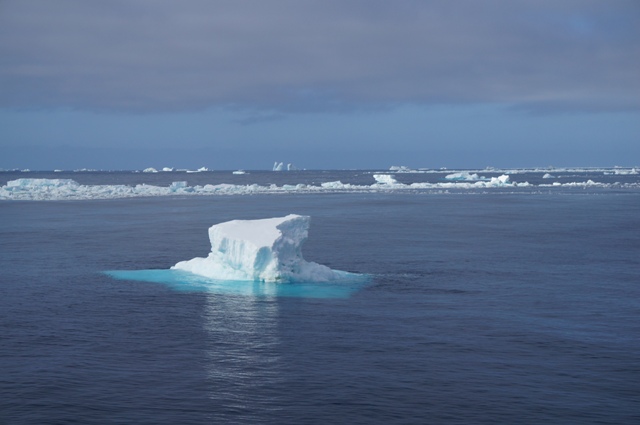
Antarctic sea ice is constantly on the move as powerful winds blow it away from the coast and out toward the open ocean. A new study published today in the journal Nature Geoscience (Monday 27 June) shows how that ice migration may be more important for the global ocean circulation than anyone realized.

Levels of the greenhouse gas carbon dioxide (CO2) in the atmosphere – which is the leading driver of recent climate change – have reached a milestone at British Antarctic Survey’s […]
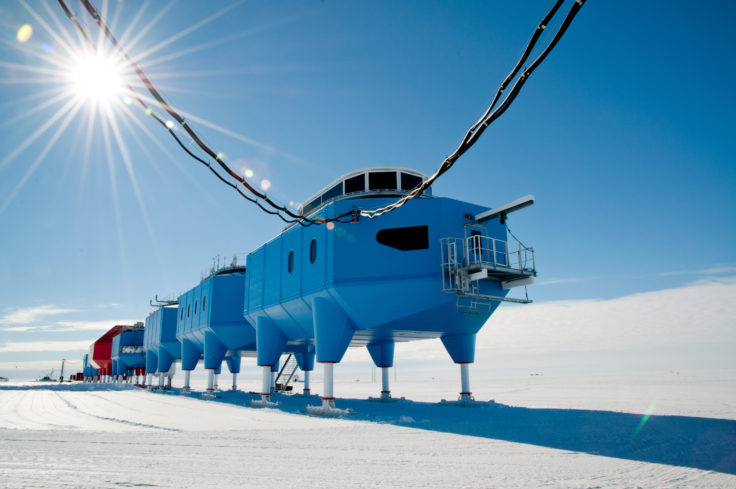
UKESM-BAS contributes to the UK Earth System Model by coupling the BISICLES ice sheet model with global climate models to improve sea level rise projections, and by developing satellite-based techniques to assess sea ice predictions.
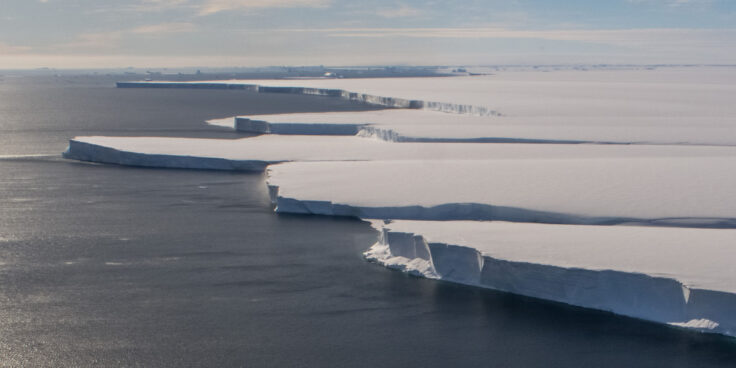
The Amundsen Sea Low (ASL) is a climatological low pressure system located over the southern Pacific Ocean, off the coast of West Antarctica. Atmospheric variability in this region is larger […]

Take part in an online consultation about Europe’s research priorities for the Polar Regions
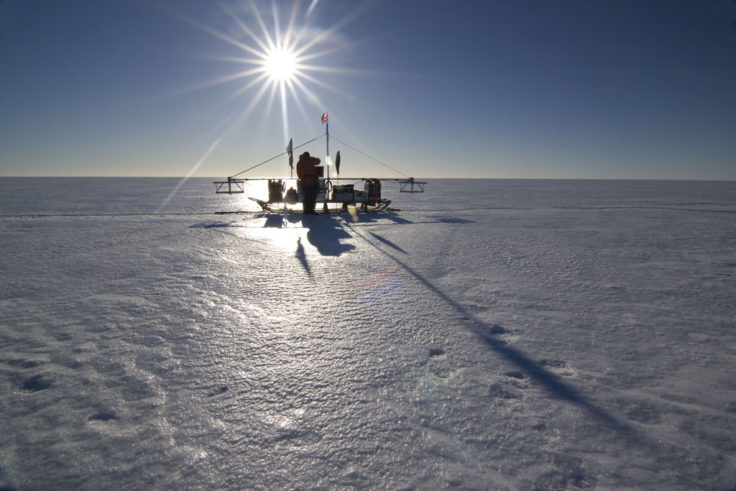
The catastrophic release of fresh water from a vast South American lake at the end of the last Ice Age was significant enough to change circulation in the Pacific Ocean […]
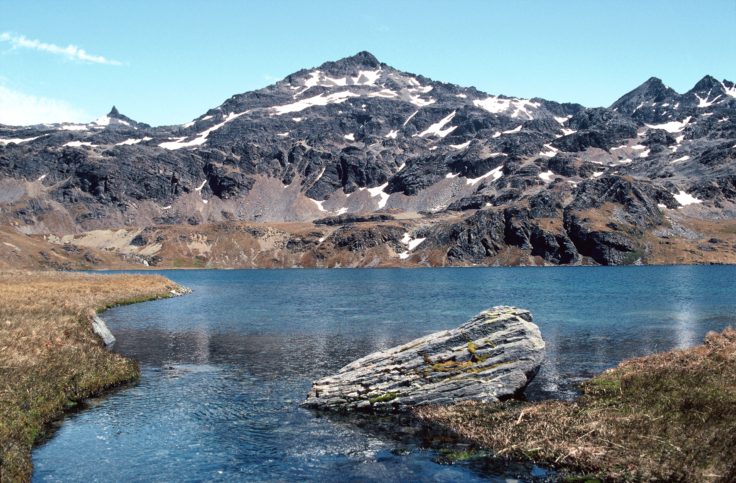
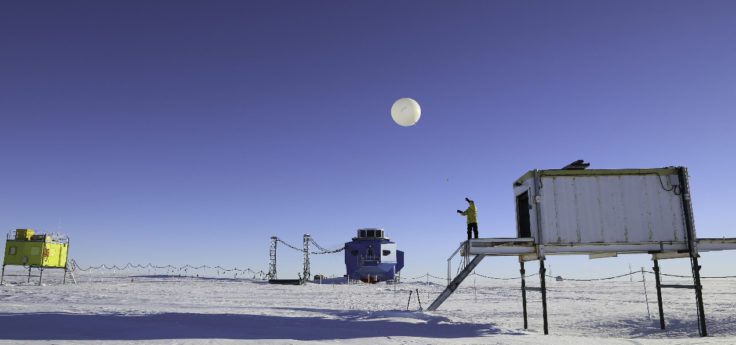
Long-term meteorological and ozone observations and data help determine the causes of climate change in the polar regions.
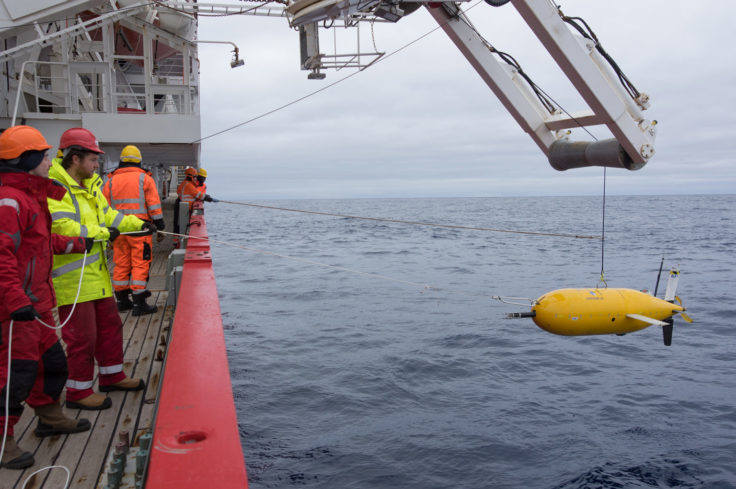
DynOPO investigated the flow of Antarctic Bottom Water through the Orkney Passage, a submarine valley connecting the Atlantic Ocean to the Weddell Sea. The project tested whether winds over the Weddell Sea regulate the volume and temperature of this deep, cold water mass by altering turbulent mixing.
The Earth’s climate was warmer than today by at least 1°C during the Last Interglacial (between 129,000 and 116,000 years ago). Thus, the Last Interglacial represents an invaluable case study […]