Impacts of Ocean Acidification on Sea-Surface
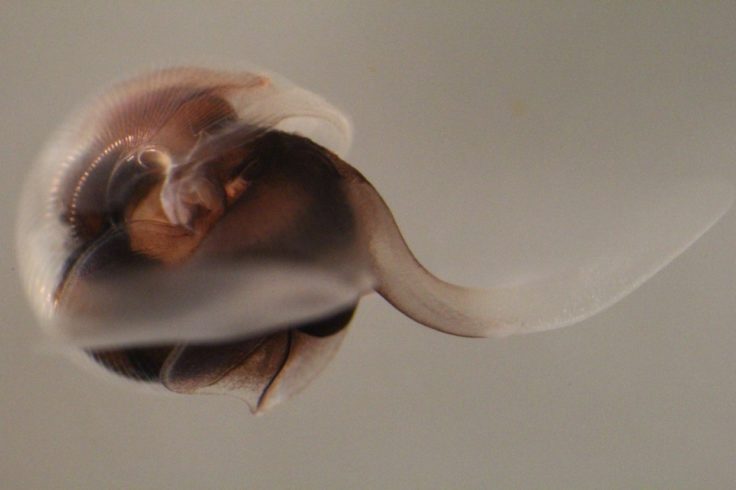
A project studying the impact of ocean acidification on pteropods, small shelled marine animals considered a sentinel species for ocean acidification.

205 to 216 of 230 results
A project studying the impact of ocean acidification on pteropods, small shelled marine animals considered a sentinel species for ocean acidification.
This project used ice core chemical and biological tracers, including marine diatoms swept onto the ice sheet by wind, to reconstruct 300 years of wind strength and atmospheric circulation patterns in West Antarctica.
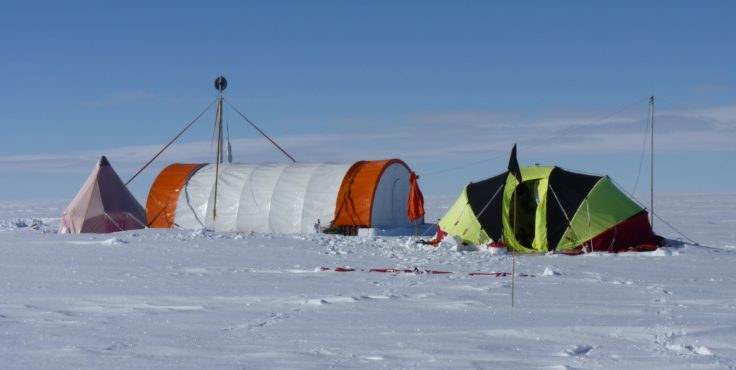
This research focuses on investigating the glacial histories of Arctic ice sheets and ice caps using the marine geological record preserved on continental margins.

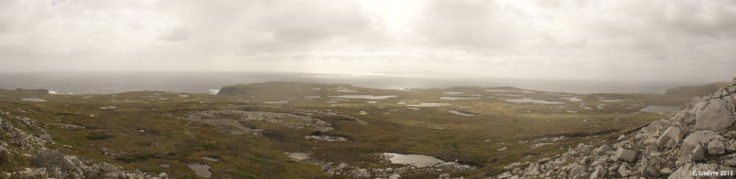
In this NERC-funded project, we are generating Southern Hemisphere Westerlies (SHW) proxy records from each of the three major sectors of the Southern Ocean, focusing on subantarctic islands situated in the core belt of the SHW.
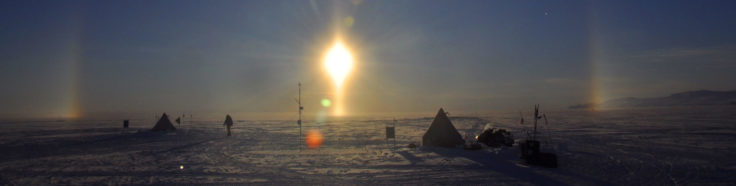
BEAMISH drilled through over 2 km of ice on Rutford Ice Stream to discover when the West Antarctic Ice Sheet last collapsed and how water and soft sediments beneath it help the ice flow towards the sea.
Polar ice cores reveal volcanic eruptions that changed human history Researchers find new evidence that large eruptions were responsible for cold temperature extremes recorded since early Roman times A freshly […]


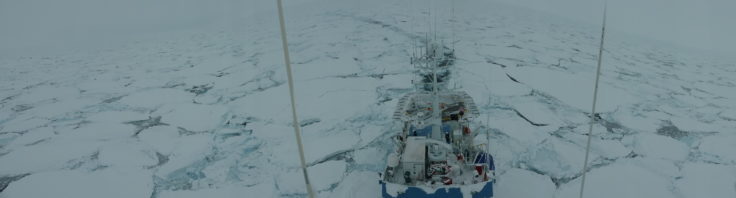
Extreme science in extreme conditions: frozen in to the Arctic winter Dr Markus Frey, a British Antarctic Survey (BAS) ice and atmospheric scientist, is living and working aboard the Norwegian […]
‘Ice-Spy in the Antarctic’ Thursday 19 February 11.00 – 11:25 14:00 – 14:25 Cambridge Science Centre, Jesus Lane, Cambridge How do you track the ice that floats in the polar […]

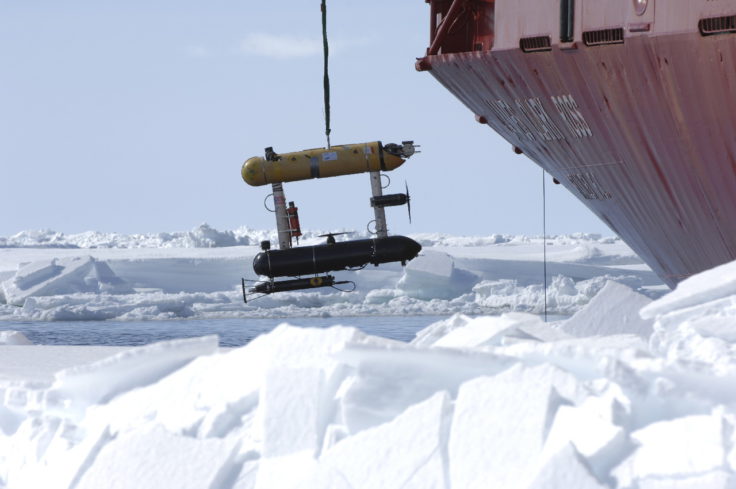
Underwater robot sheds new light on Antarctic sea ice The first detailed, high-resolution 3-D maps of Antarctic sea ice have been developed using an underwater robot. Scientists from the UK, […]
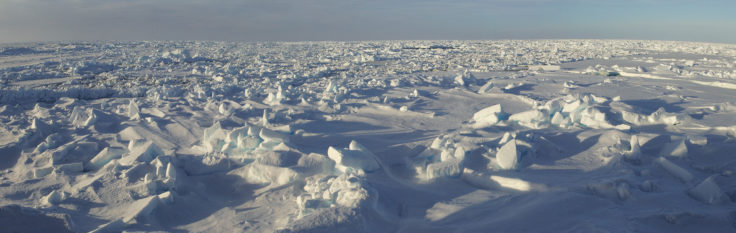
Arctic sea ice summer minimum 2014: A scientific perspective The Arctic sea ice minimum marks the day – typically in September – when sea ice reaches its smallest extent at […]
Ocean winds keep Australia dry and Antarctica cold New research explains why Antarctica is not warming as much as other continents, and why southern Australia is recording more droughts. Analysis […]
