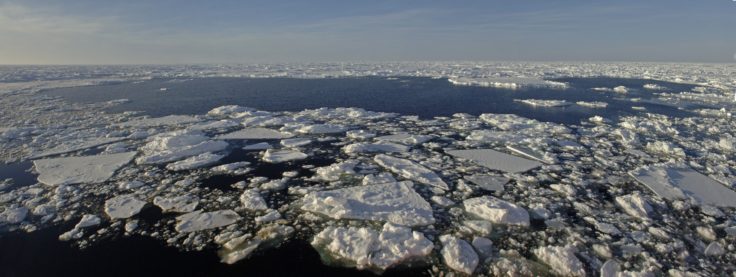
Antarctic sea ice extent lowest on record
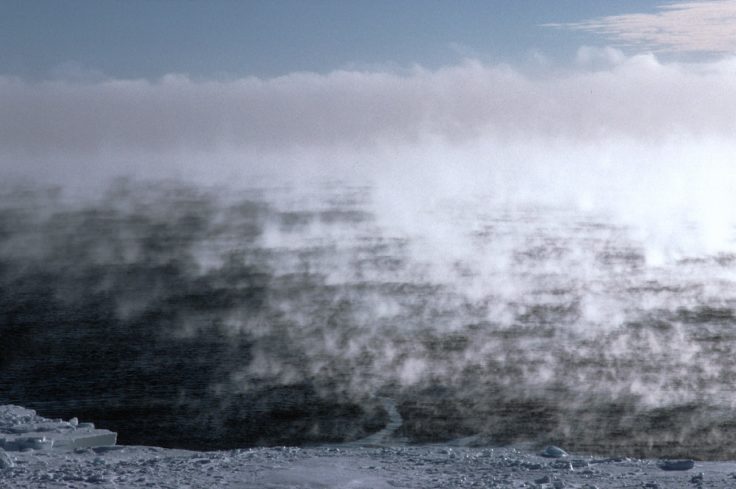
This year the extent of summer sea ice in the Antarctic is the lowest on record. The Antarctic sea ice minimum marks the day – typically towards end of February […]

169 to 180 of 227 results
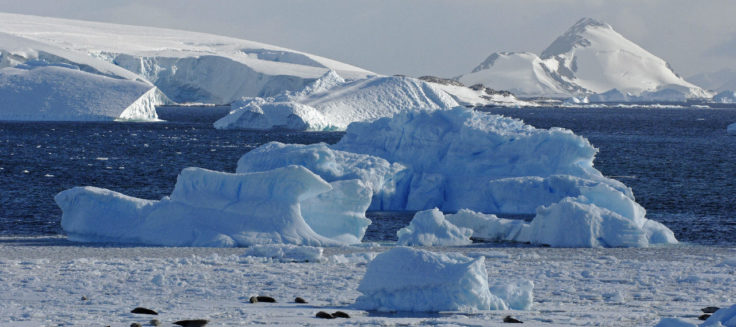
This year the extent of summer sea ice in the Antarctic is the lowest on record. The Antarctic sea ice minimum marks the day – typically towards end of February […]
MOYA is a major NERC-funded project to study the global budget of atmospheric methane, the balance between sources and loss processes, and to understand what is changing to cause the increase in methane currently observed.
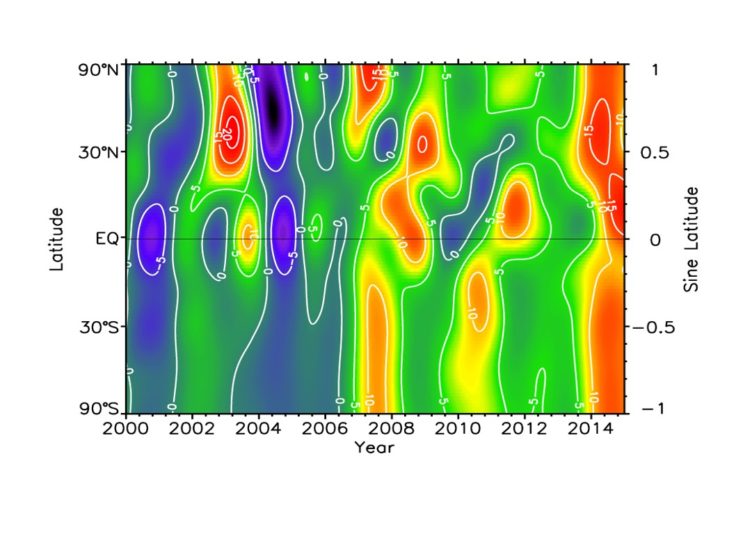
Leading scientists gather at Davos today (18 January), with Al Gore and Christiana Figueres, for an urgent meeting on Arctic change. Growing concern prompts ‘Arctic Basecamp’ at World Economic Forum […]
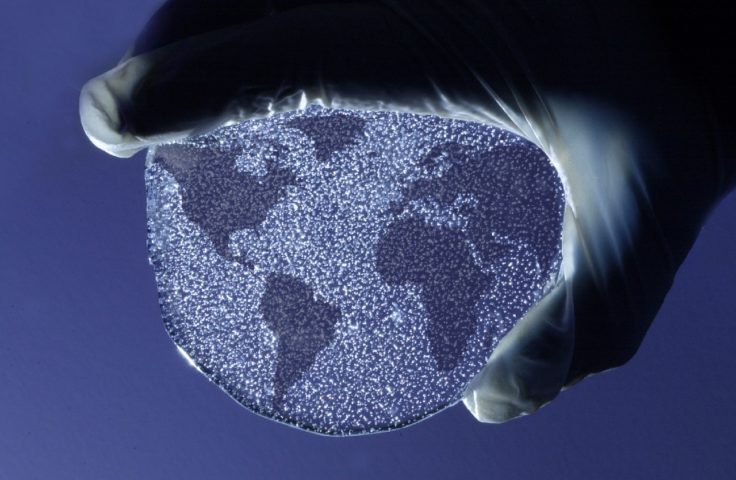
British Antarctic Survey scientist Dr Emily Shuckburgh OBE has co-authored a book on climate change as part of the new Ladybird Expert series, it was announced today. Her co-authors are His […]
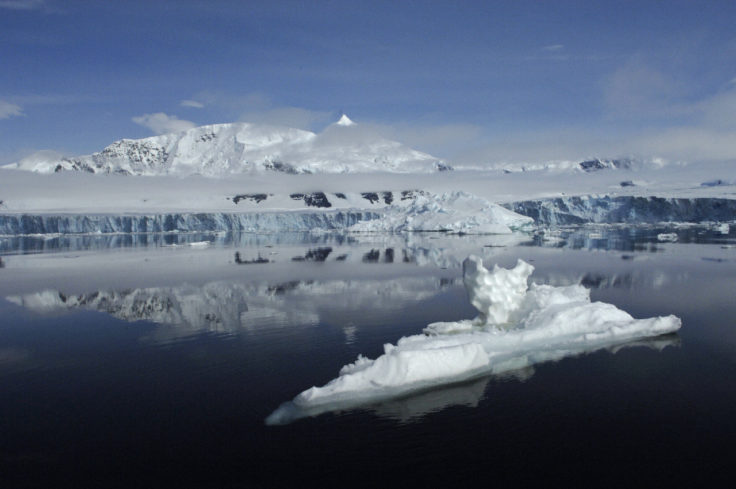
A new blog post from a team comprising polar atmosphere and ice chemist Holly Winton, analytical chemist Rebecca Tuckwell and atmospheric and glaciochemist Markus Frey who are working on the […]
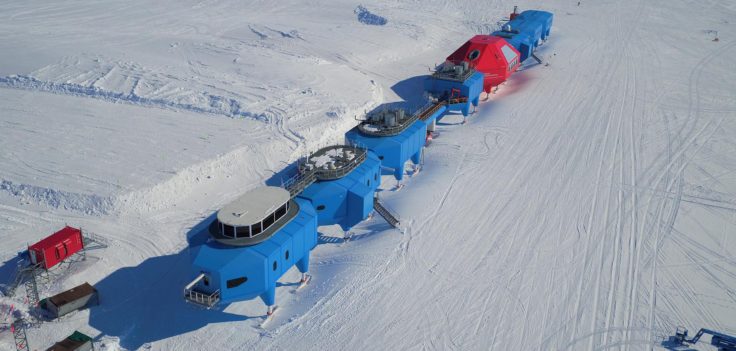
Science Summit will call on global leaders for immediate action on the Arctic A group of leading scientists have announced an Arctic Science Summit that will take place in Davos, […]
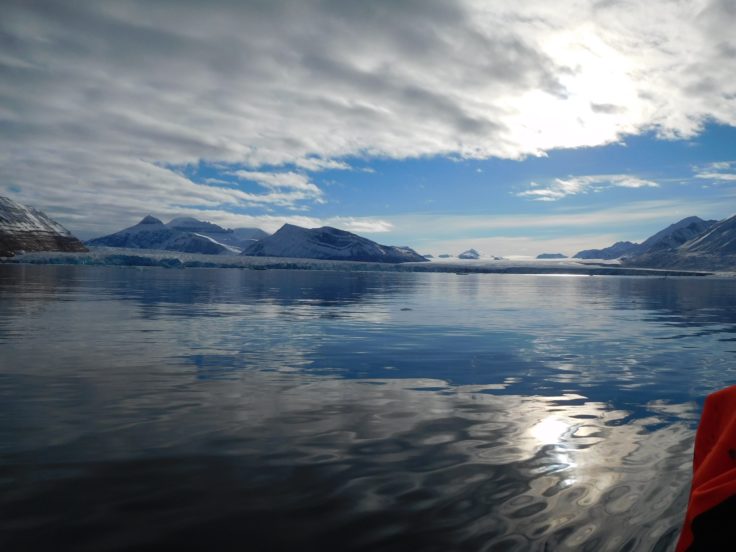
First phase of project to collect 1.5 million years of climate data in Antarctica A team of European scientists heads to East Antarctica this month to locate the oldest ice […]
Final ice core samples from the Beyond EPICA – Oldest Ice project have reached Europe for analysis, marking another milestone in one of British Antarctic Survey’s biggest European collaborations.
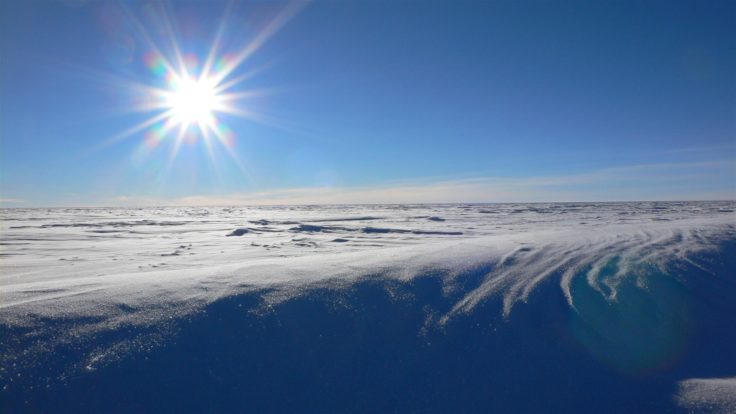
A team of British climate scientists comparing today’s environment with the warm period before the last ice age has discovered a 65% reduction of Antarctic sea ice around 128,000 years […]
Keel-laying ceremony at Cammell Laird
This year the extent of summer sea ice in the Arctic is heading towards being the second lowest on record. The Arctic sea ice minimum marks the day – typically […]
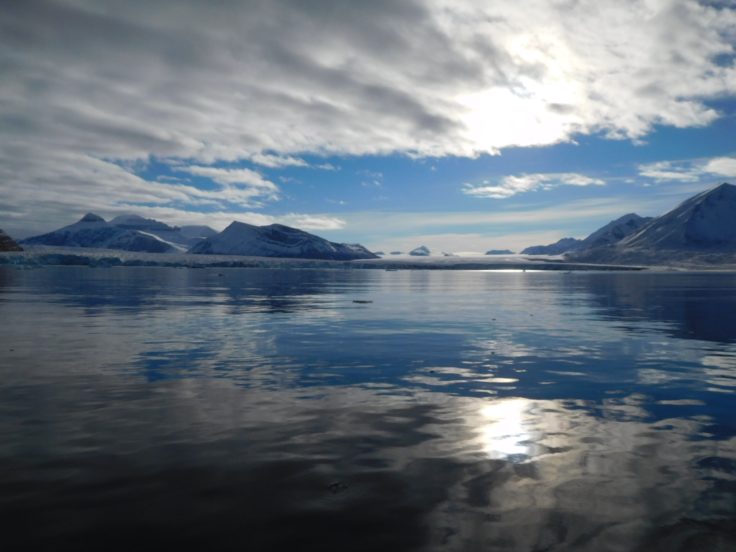
A team of British climate scientists comparing today’s environment with the warm period before the last ice age has discovered a 65% reduction of Antarctic sea ice around 128,000 years […]