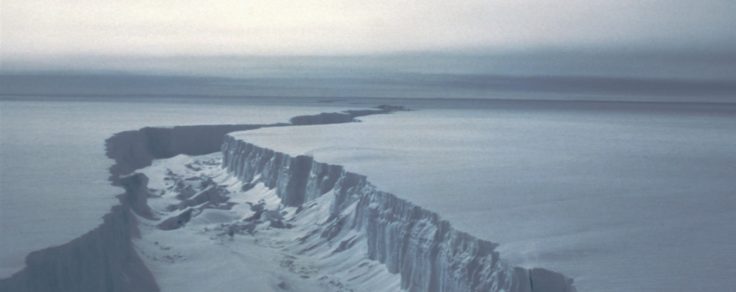
Huge Antarctic iceberg finally breaks free
After months of ‘hanging by a thread’ a vast iceberg the size of Norfolk has finally broken off Antarctica’s Larsen C Ice Shelf. Around 30 metres of this 190m thick […]

157 to 168 of 227 results
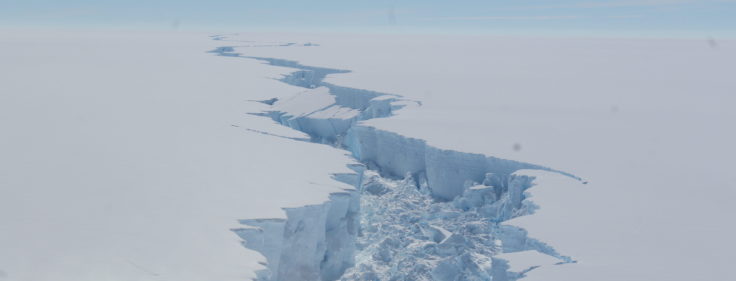
After months of ‘hanging by a thread’ a vast iceberg the size of Norfolk has finally broken off Antarctica’s Larsen C Ice Shelf. Around 30 metres of this 190m thick […]
Reporting this week (Wednesday 5 July) in the journal Nature, an international team of researchers led by British Antarctic Survey (BAS) explains that wind-driven incursions of warm water forced the […]
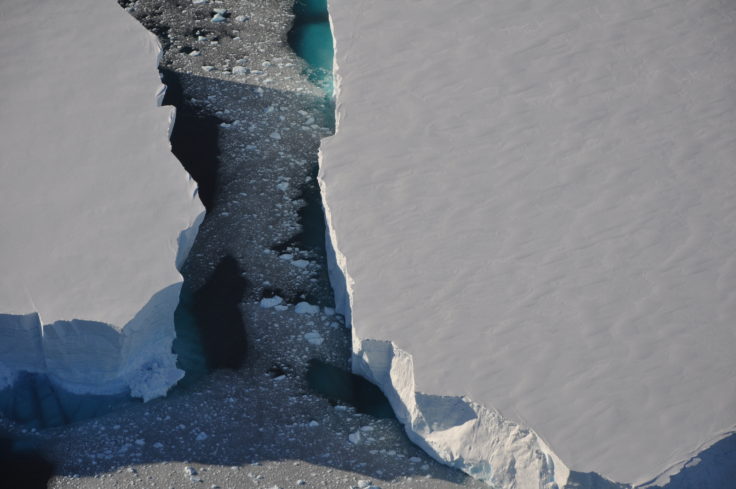
A new £10 million research programme to investigate how the Arctic Ocean is changing kicked off last week (Friday 30 June) with its first research expedition to the Barents Sea. […]
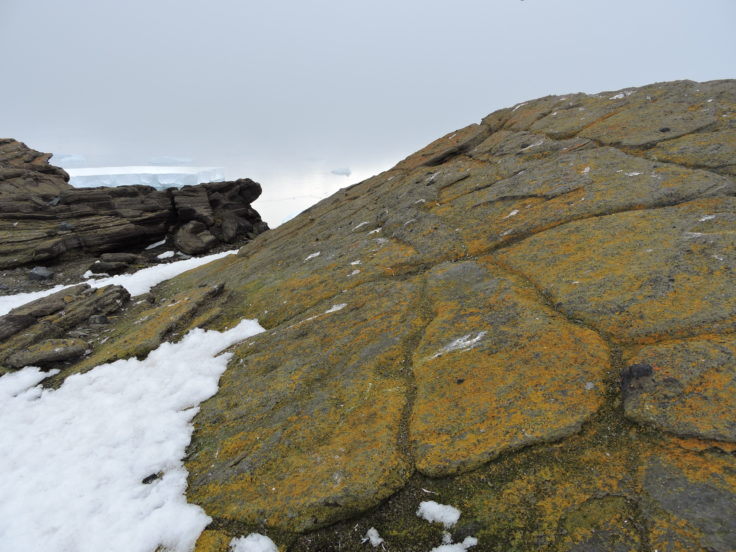
Ice-free areas in Antarctica could expand by close to 25 per cent by 2100 and drastically change the biodiversity of the continent, research published this week in Nature has shown. […]
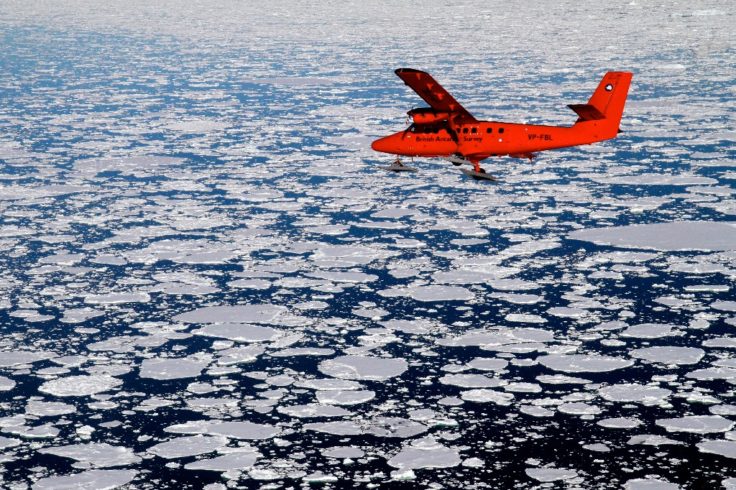
A series of unprecedented storms over the Southern Ocean likely caused the most dramatic decline in Antarctic sea ice seen to date, a new study finds. Antarctic sea ice – […]
New research describes for the first time the role that warm, dry winds play in influencing the behaviour of Antarctic ice shelves. Presenting this week at a European conference scientists […]
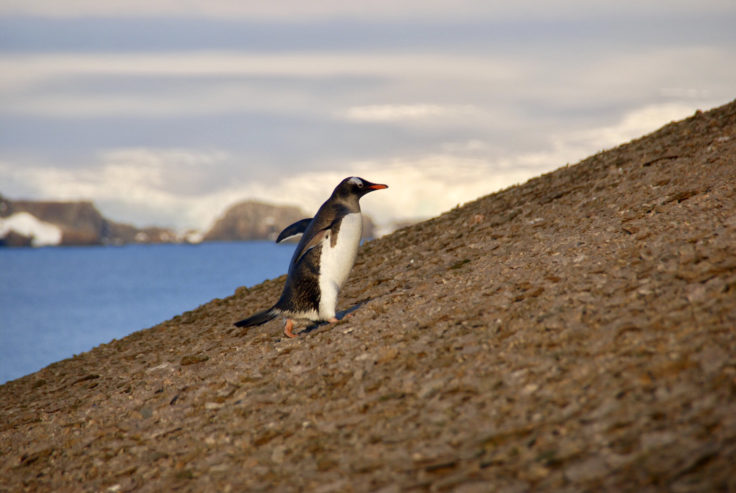
One of Antarctica’s biggest gentoo penguin colonies was repeatedly decimated by eruptions of the Deception Island volcano in recent millennia.
SUBICE, the Sub-Antarctic – ice coring expedition, part of the international Antarctic Circumnavigation Expedition (ACE), successfully drilled several shallow ice cores, from five of the remote and globally significant sub-Antarctic islands.
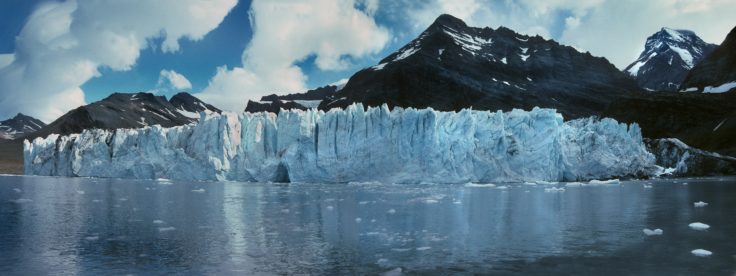
A new study reveals the sub-antarctic island of South Georgia – famous for its wildlife – was covered by a massive ice cap during the last ice age. The results […]
BAS Director features in photographic portraits of women in science
A World Meteorological Organization (WMO) committee of experts announces this week (Wed 1 March) new records for the highest temperatures recorded in the Antarctic Region. The results are part of […]
British Antarctic Survey (BAS) recently captured this video footage of a huge crack in the Larsen C Ice Shelf, on the Antarctic Peninsula. Currently a huge iceberg, roughly the size […]