NEWS STORY: New polar ship bidder selected
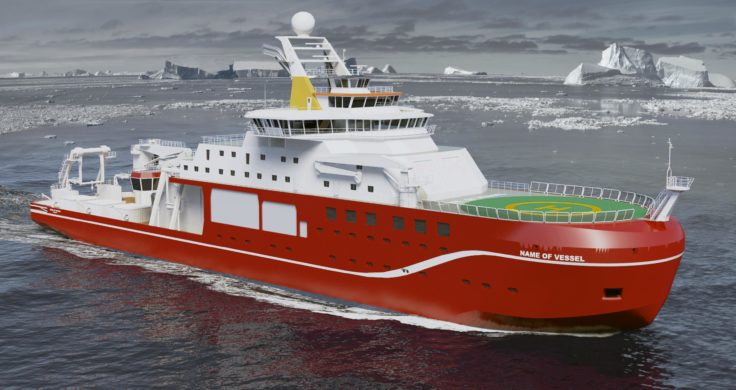
Government announces preferred bidder to build new polar ship Minister of State for Universities and Science, Jo Johnson announced today that the preferred bidder to build a new polar research […]

181 to 192 of 214 results
Government announces preferred bidder to build new polar ship Minister of State for Universities and Science, Jo Johnson announced today that the preferred bidder to build a new polar research […]
Arctic sea ice 2015 On September 11, the National Snow and Ice Data Centre (NSIDC) reported that Arctic sea ice reached its likely minimum extent for 2015. The minimum ice […]
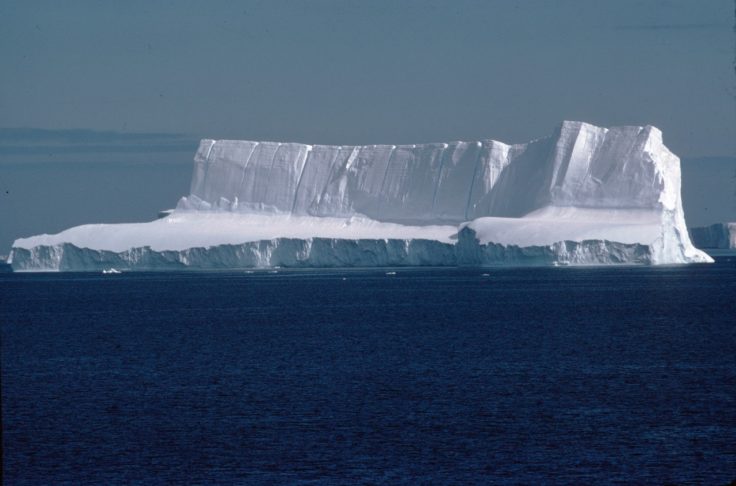
The Natural Environment Research Council (NERC) has announced it will invest £16m in research to study the effects of dramatic changes in Arctic ice cover over the last three decades on […]
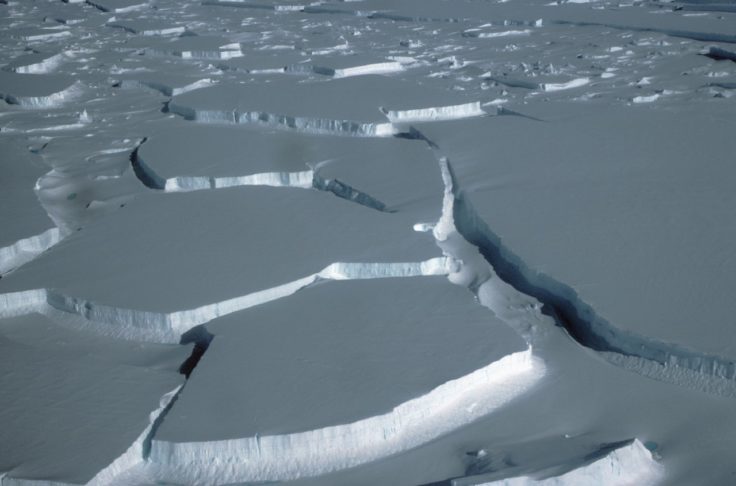
Studying ice response during past climate changes improves understanding of Antarctic ice sheet dynamics. This knowledge helps predict how ice sheets may behave under future warming scenarios.
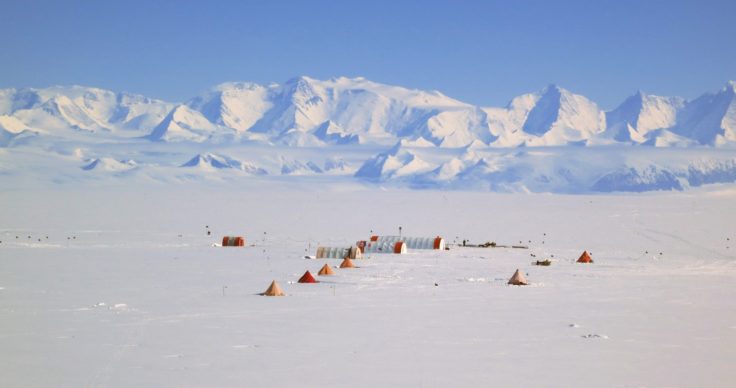
This project attempts to reconstruct changes in the intermediate-deep ocean density gradient in the South Atlantic across the last deglaciation in order to assess the link between deep ocean stratification and atmospheric CO2.
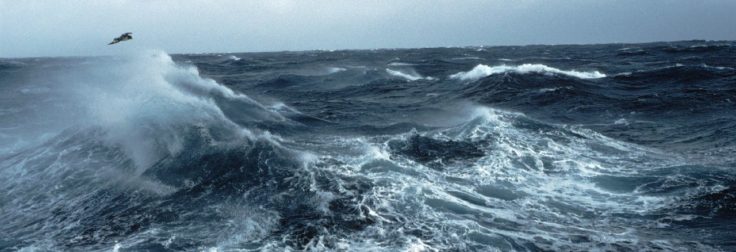
This project examines Antarctic sea-ice’s role in global climate, using marine sediment and ice core records to reconstruct past sea-ice extent.
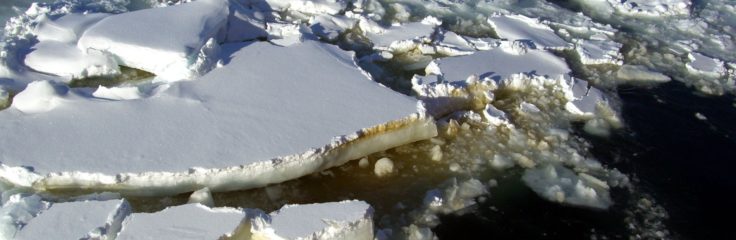
This project used ice cores drilled across the Antarctic Peninsula and West Antarctica to reconstruct past climate and understand whether the recent warming in these rapidly changing regions is unusual over longer timescales..
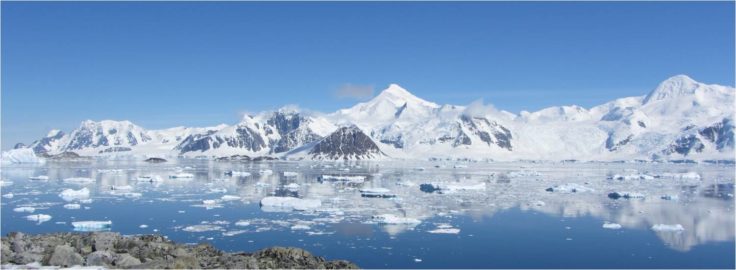
This project studies the last Interglacial (129-116 thousand years ago, ka) when CO2 and global temperature were both higher than they were before human industrialisation. By examining Last Interglacial climate, we can gain insights into climate processes and feedbacks close to those expected by the end of the 21st century.
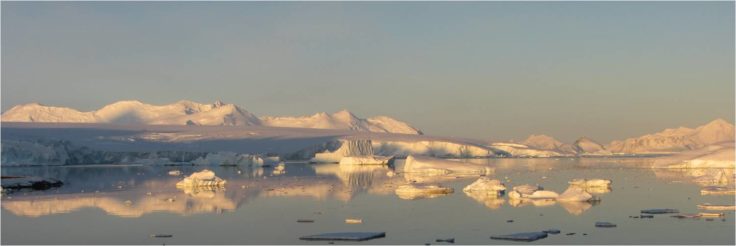
This project used ice core chemical and biological tracers, including marine diatoms swept onto the ice sheet by wind, to reconstruct 300 years of wind strength and atmospheric circulation patterns in West Antarctica.
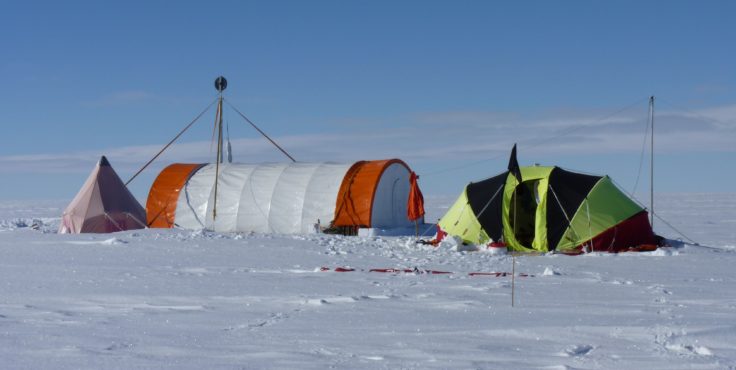
A project studying the impact of ocean acidification on pteropods, small shelled marine animals considered a sentinel species for ocean acidification.
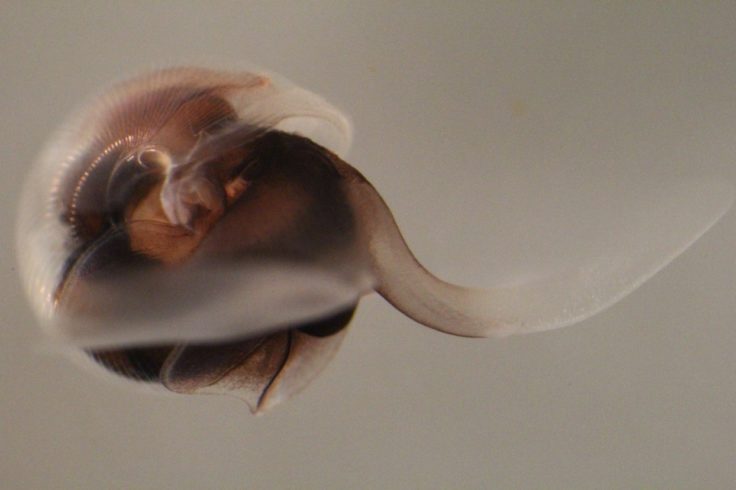
This research focuses on investigating the glacial histories of Arctic ice sheets and ice caps using the marine geological record preserved on continental margins.
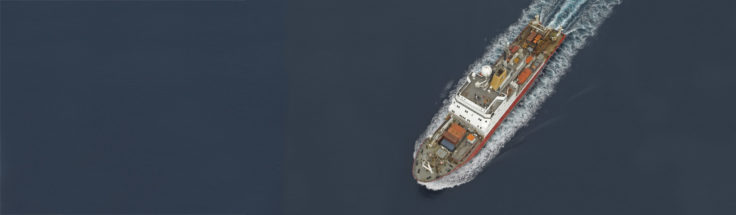
In this NERC-funded project, we are generating Southern Hemisphere Westerlies (SHW) proxy records from each of the three major sectors of the Southern Ocean, focusing on subantarctic islands situated in the core belt of the SHW.