Research projects

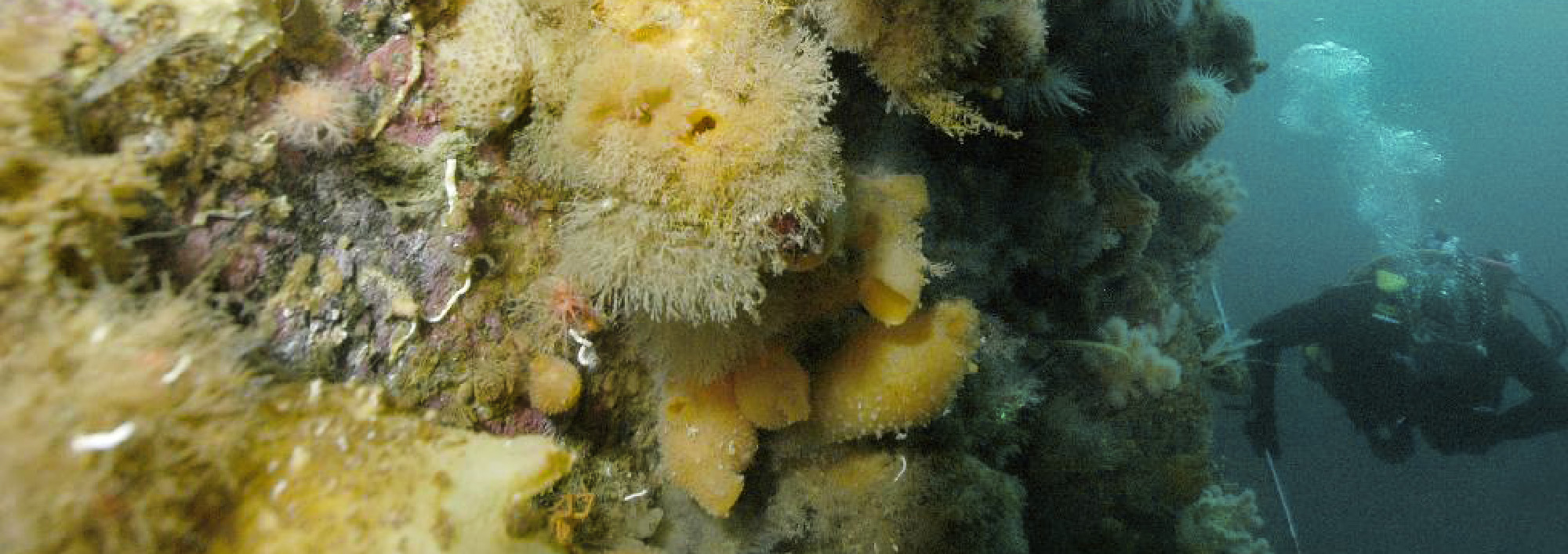
A diver carrying out underwater science

Filter:

Showing: All projects

157 to 168 of 263 projects

  1. Measuring space weather for climate models
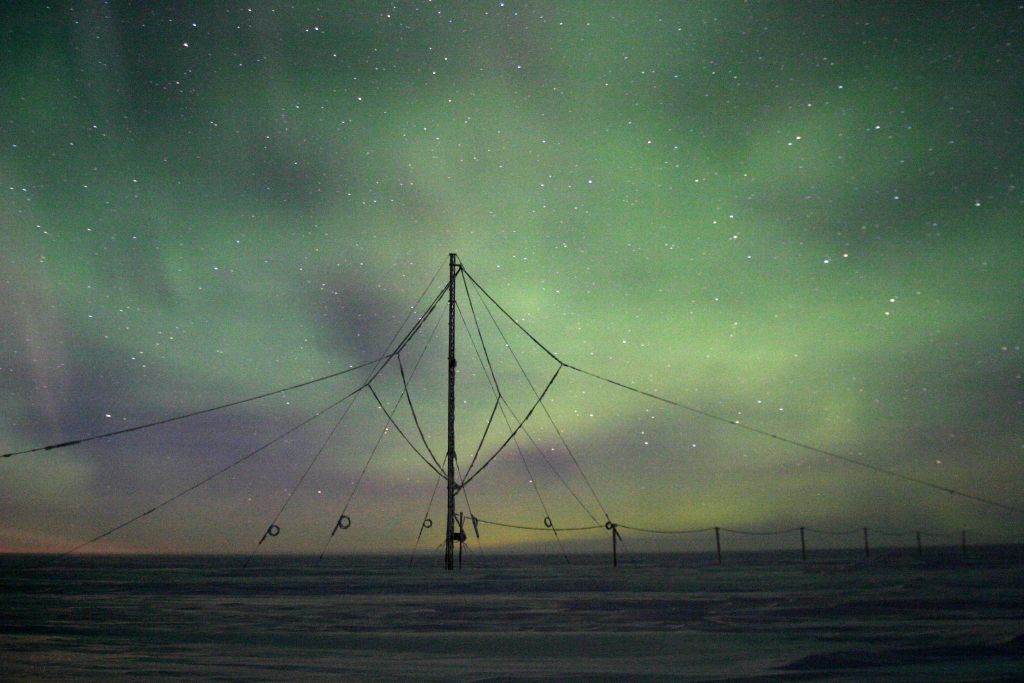
    The objective of QEPPA is to work out the amount of charged particles that hit our atmosphere during space weather events in order to improve how our models represent this effect on our atmosphere and climate.
  2. Methane Observations and Yearly Assessments

    Diagram.

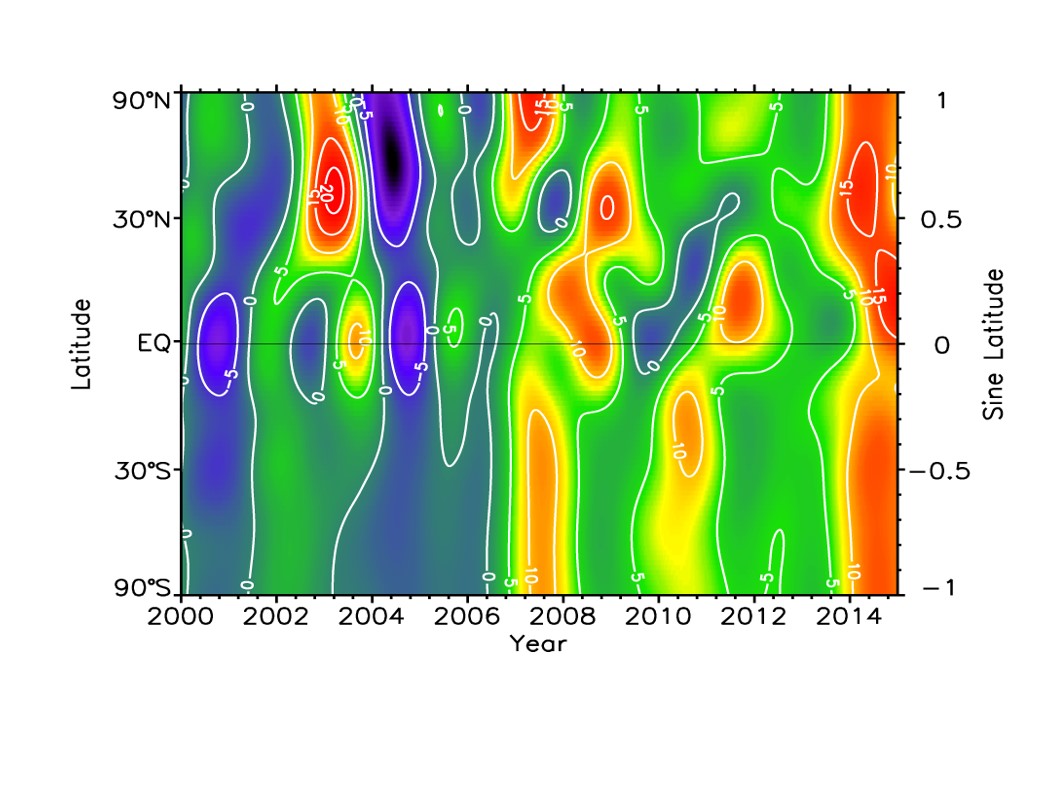
    MOYA is a major NERC-funded project to study the global budget of atmospheric methane, the balance between sources and loss processes, and to understand what is changing to cause the increase in methane currently observed.

  3. Microphysics of Antarctic Clouds NE

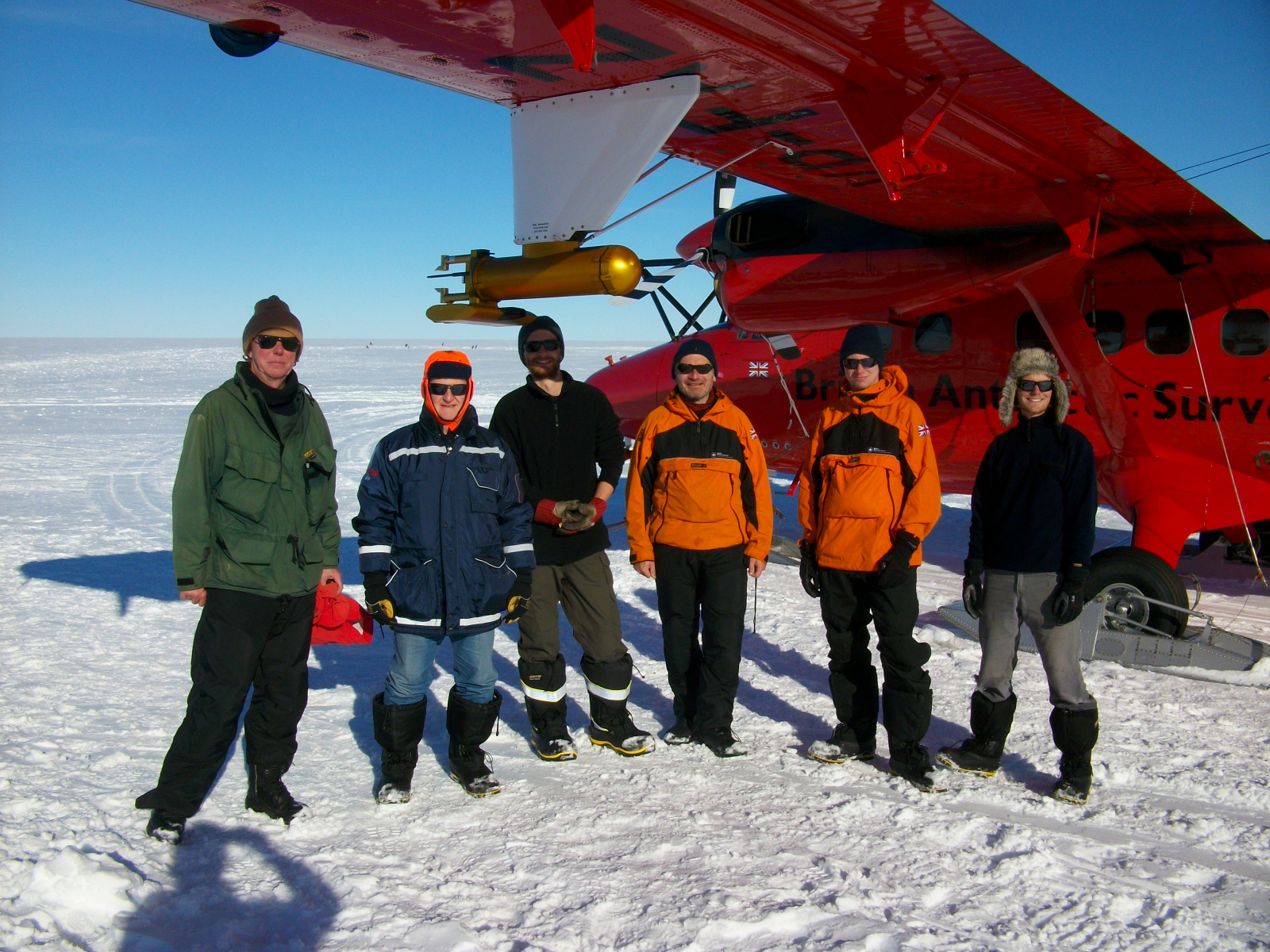
    A group of people that are standing in the snow.

    This project conducted flights within clouds taking detailed measurements of the physical properties of the cloud – size spectrums and phase (whether the particles are ice or liquid) – as well as taking ground based measurements of the aerosols which will act as nuclei for the cloud particles.

  4. Modelling Greenland’s abrupt ancient warming

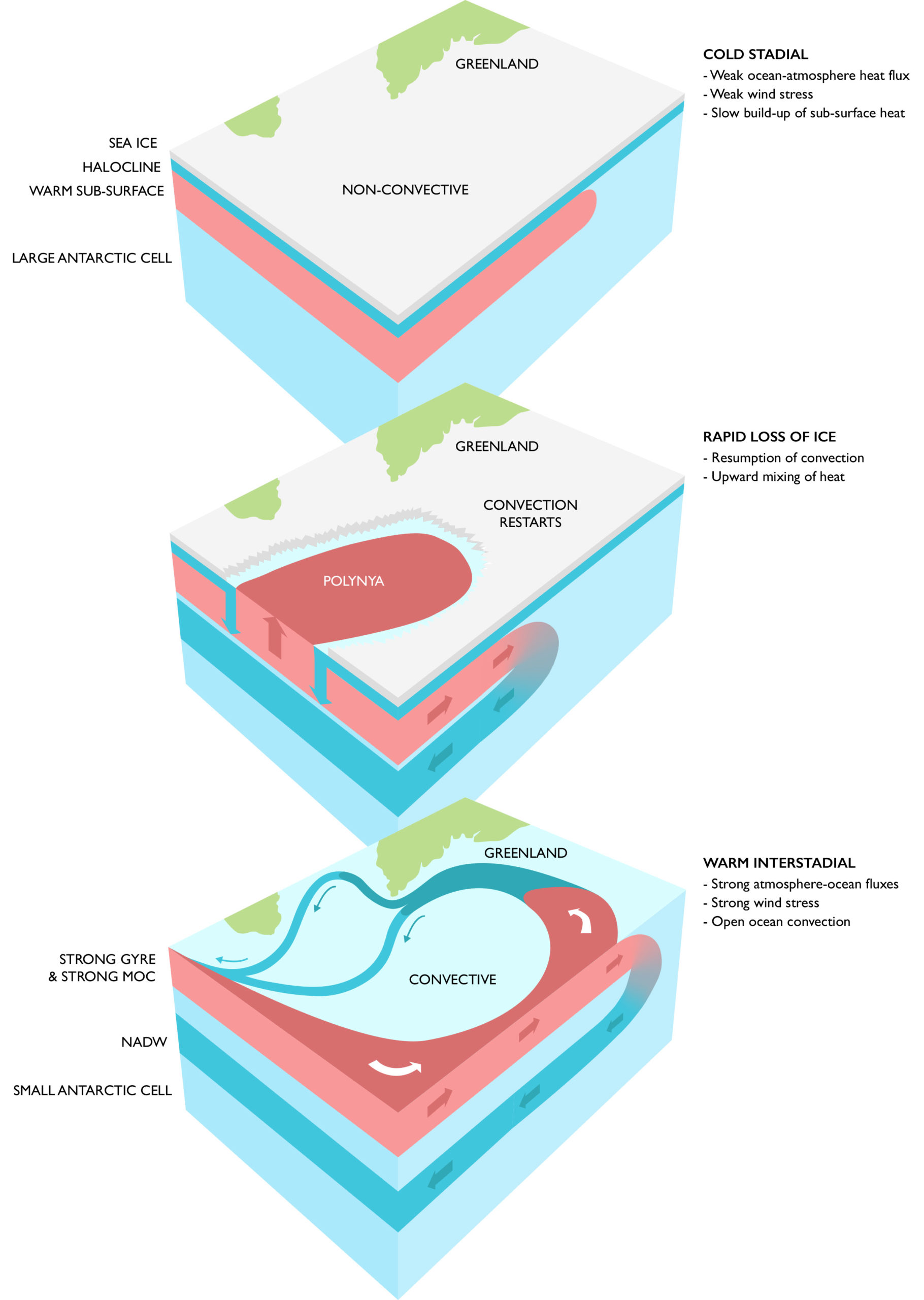
    Diagram

    SDOO project investigates abrupt climate warming episodes recorded in Greenland ice cores, known as Dansgaard-Oeschger events, where temperatures rose by 10-15°C within a decade during the last glacial period.

  5. Modelling Movement of Antarctic Krill

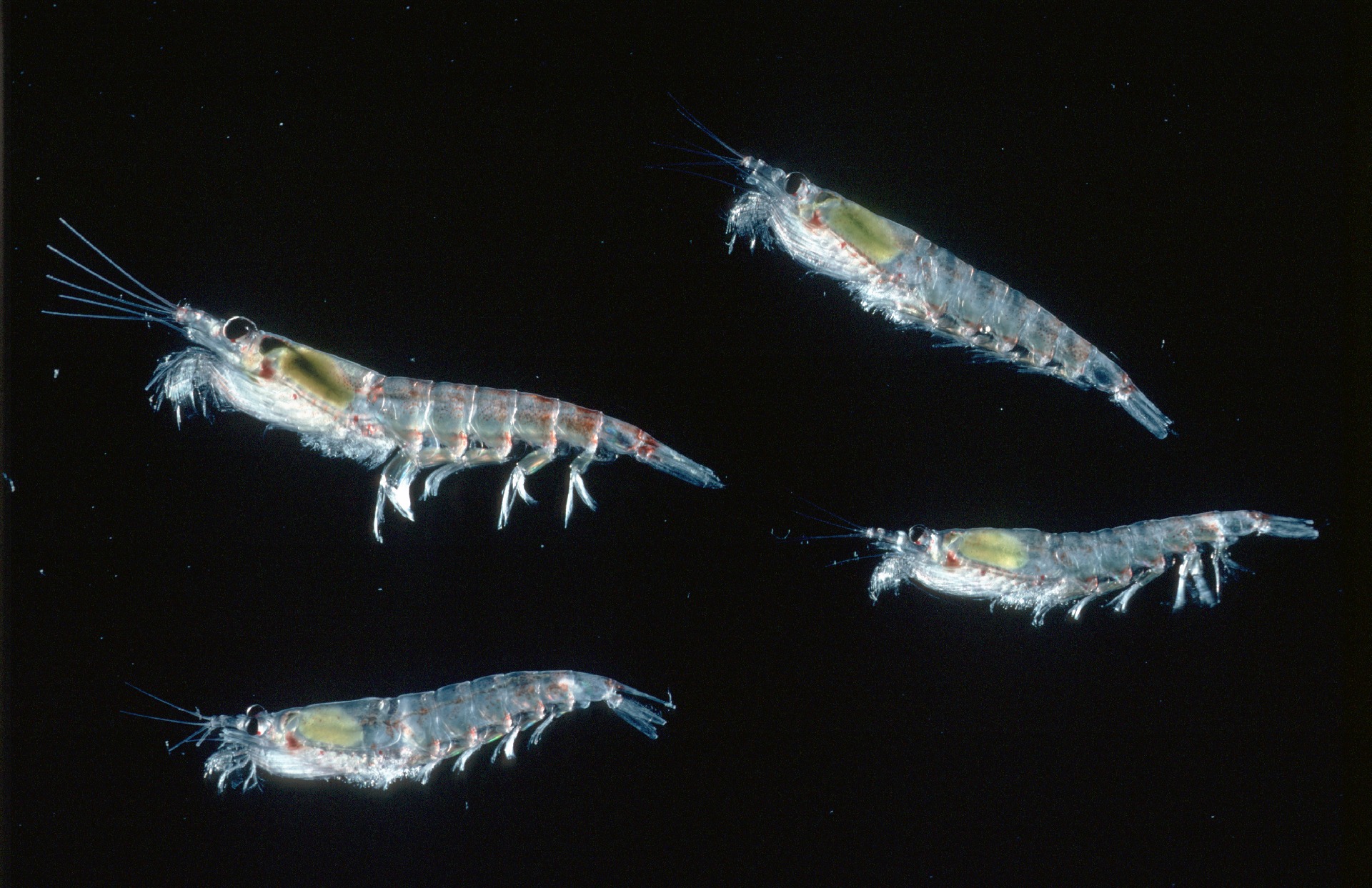
    A close up of small marine creatures

    The MMAK project is using state-of-the-art ocean-sea ice models to improve our understanding of processes that influence the distribution of krill in the South Orkney Islands region.

  6. Monitoring climate change in action

    Since Near-shore Marine Biology was moved to Rothera in 1997, we have been conducting biological long-term monitoring in both the marine and terrestrial environments. These represent some of the longest continuous datasets in the Southern Ocean.

  7. New gravity wave observatories in Antarctica

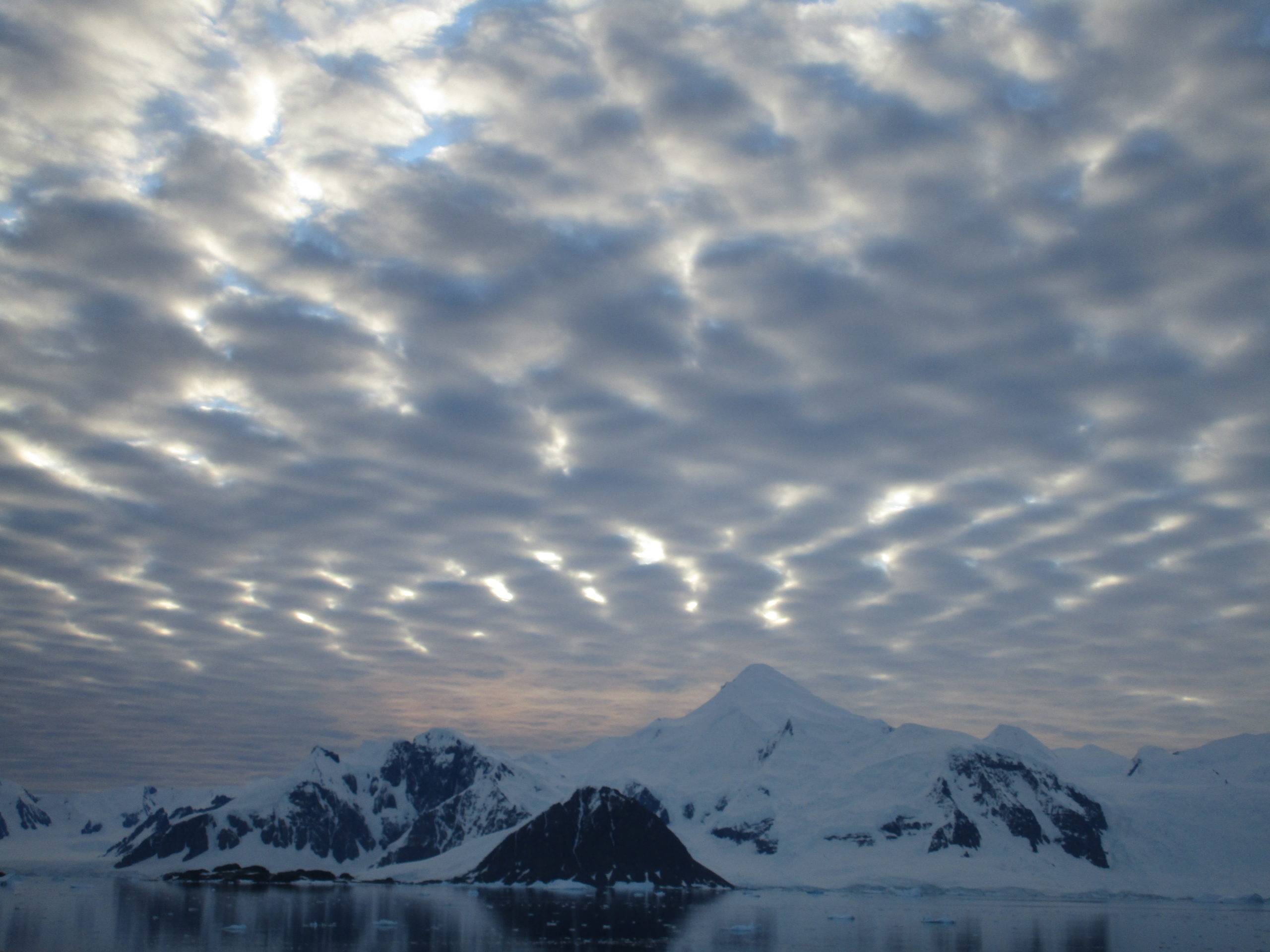
    A snow covered mountain.

    ANGWIN brings together different nations to observe gravity waves over Antarctica and understand how these atmospheric waves affect global weather patterns and polar climate processes.

  8. North Atlantic climate system integrated study

    Background pattern.

    ACSIS focussed on understanding changes occurring across the North Atlantic climate system in the ocean, the atmosphere, the cryosphere and the interactions between these constituent components.

  9. North Sea Methane

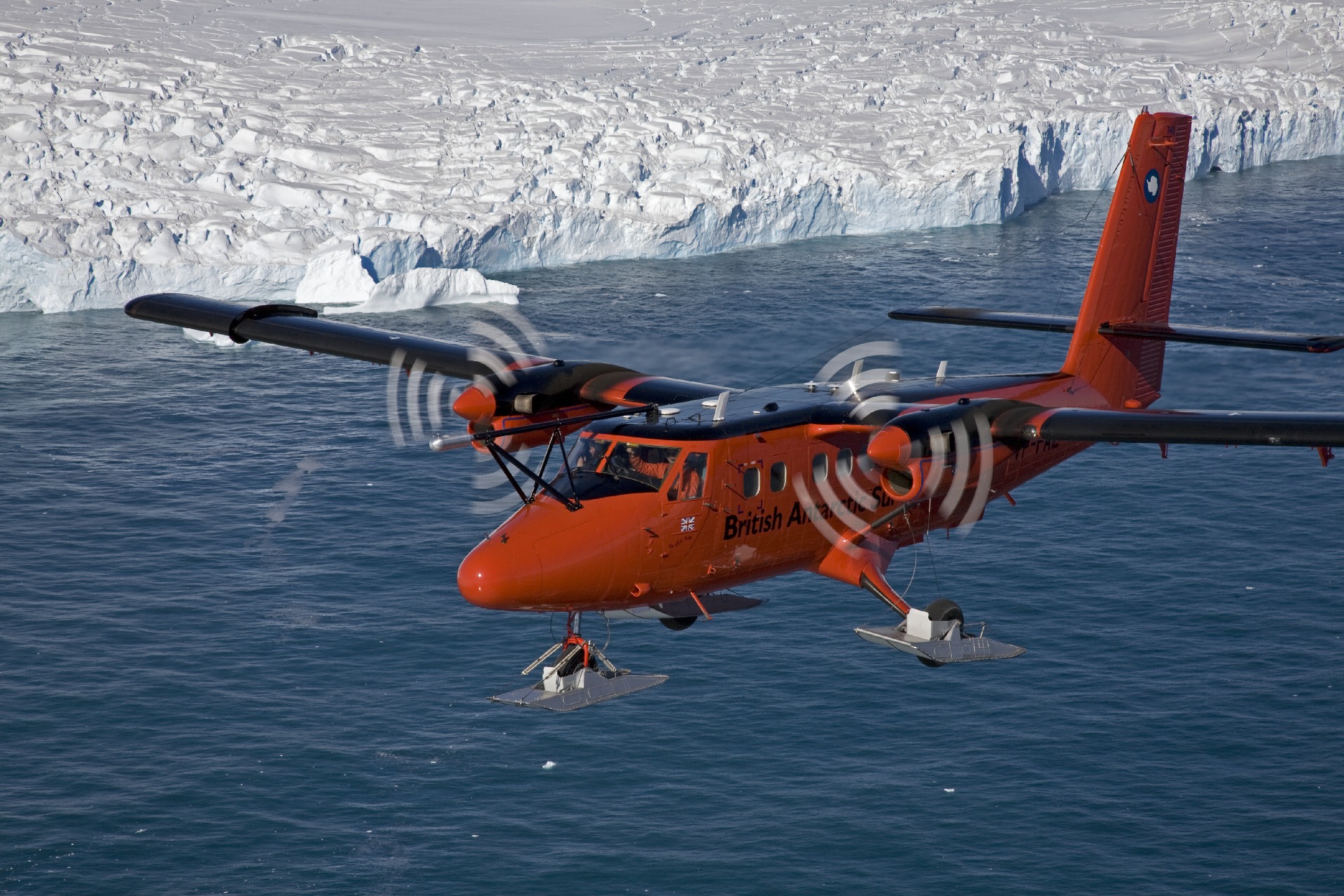
    A plane flying over a body of water.

    Offshore gas fields worldwide are major sources of methane emissions. Developing reliable methods to locate emissions and pinpoint sources is critical for quantifying the volume of methane emissions from gas fields across the world.

  10. Ocean-driven ice-shelf thinning in Antarctica

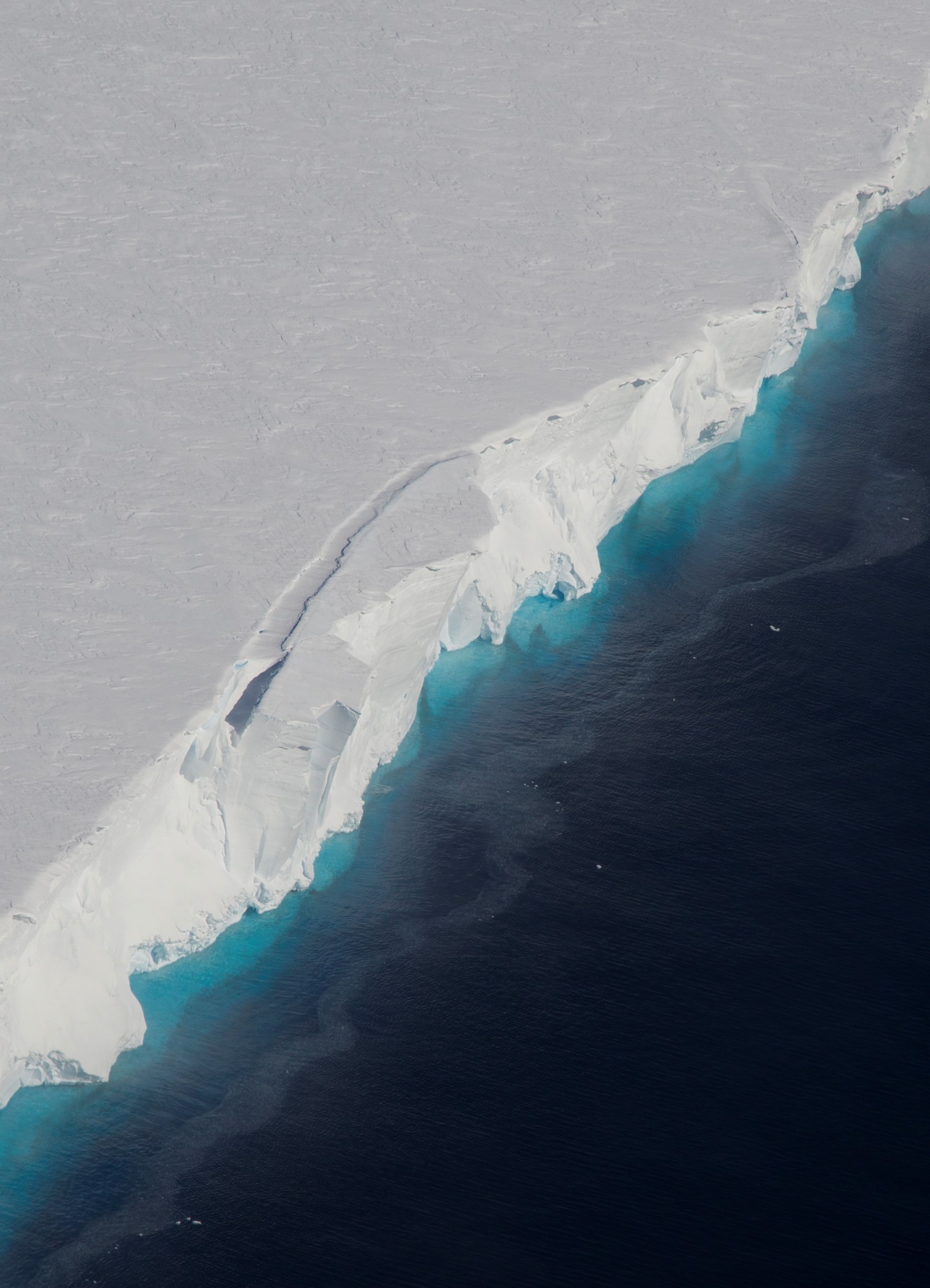
    By exploiting advances in ice sheet modelling, and new Antarctic-wide datasets, this project aims to predict how far and how fast the observed ocean-driven thinning of floating ice shelves will propagate into the interior of the Antarctic ice sheet, and assess the consequences for global sea level over decadal-to-centennial timescales.