New gravity wave observatories in Antarctica
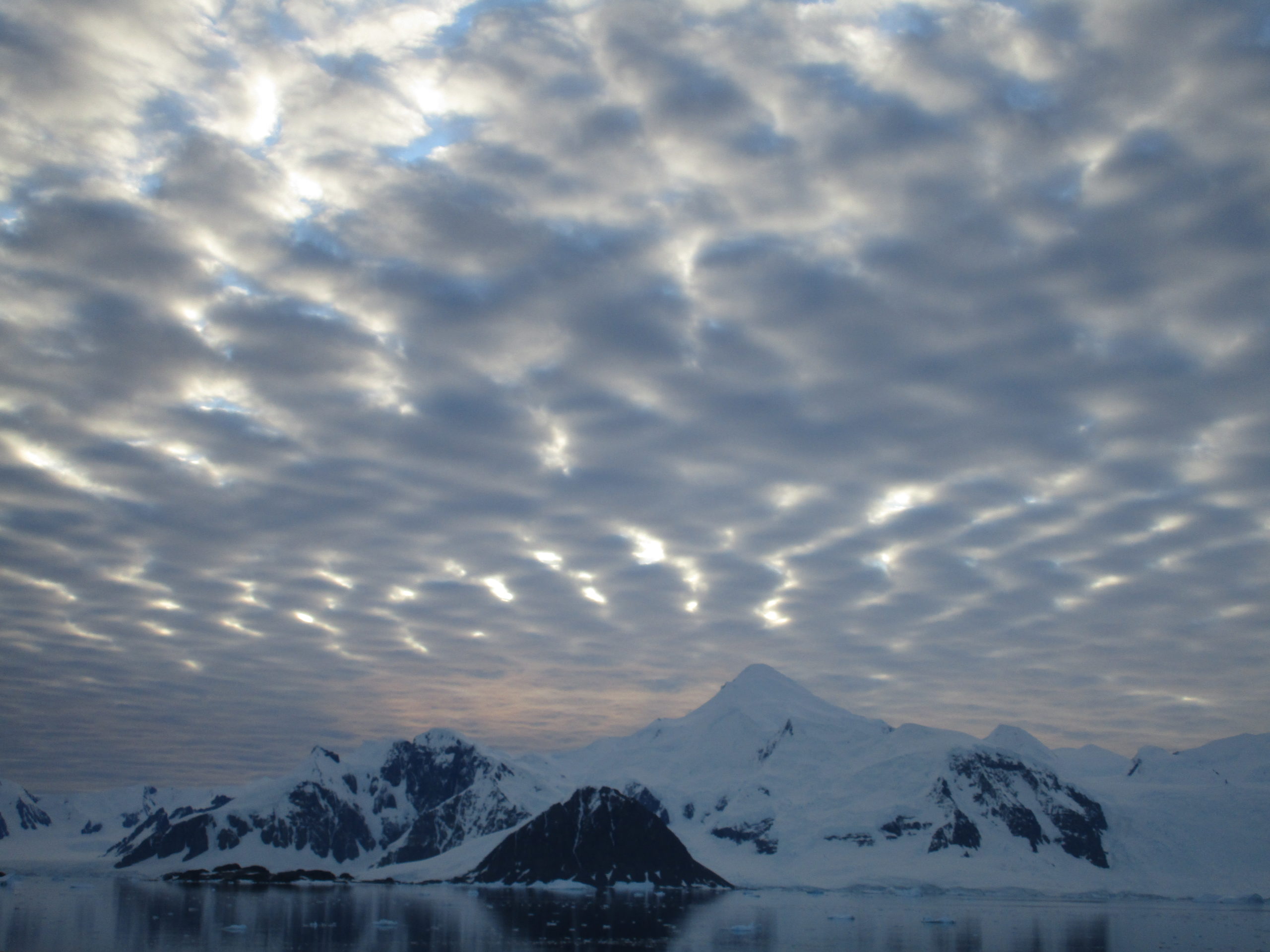
ANGWIN brings together different nations to observe gravity waves over Antarctica and understand how these atmospheric waves affect global weather patterns and polar climate processes.

169 to 180 of 268 projects
ANGWIN brings together different nations to observe gravity waves over Antarctica and understand how these atmospheric waves affect global weather patterns and polar climate processes.
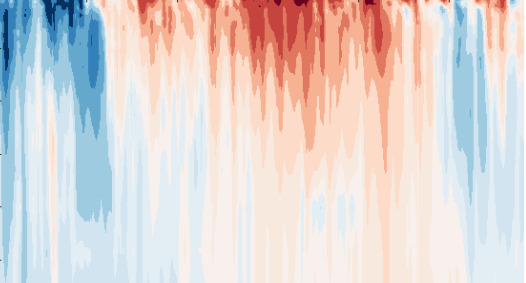
ACSIS focussed on understanding changes occurring across the North Atlantic climate system in the ocean, the atmosphere, the cryosphere and the interactions between these constituent components.
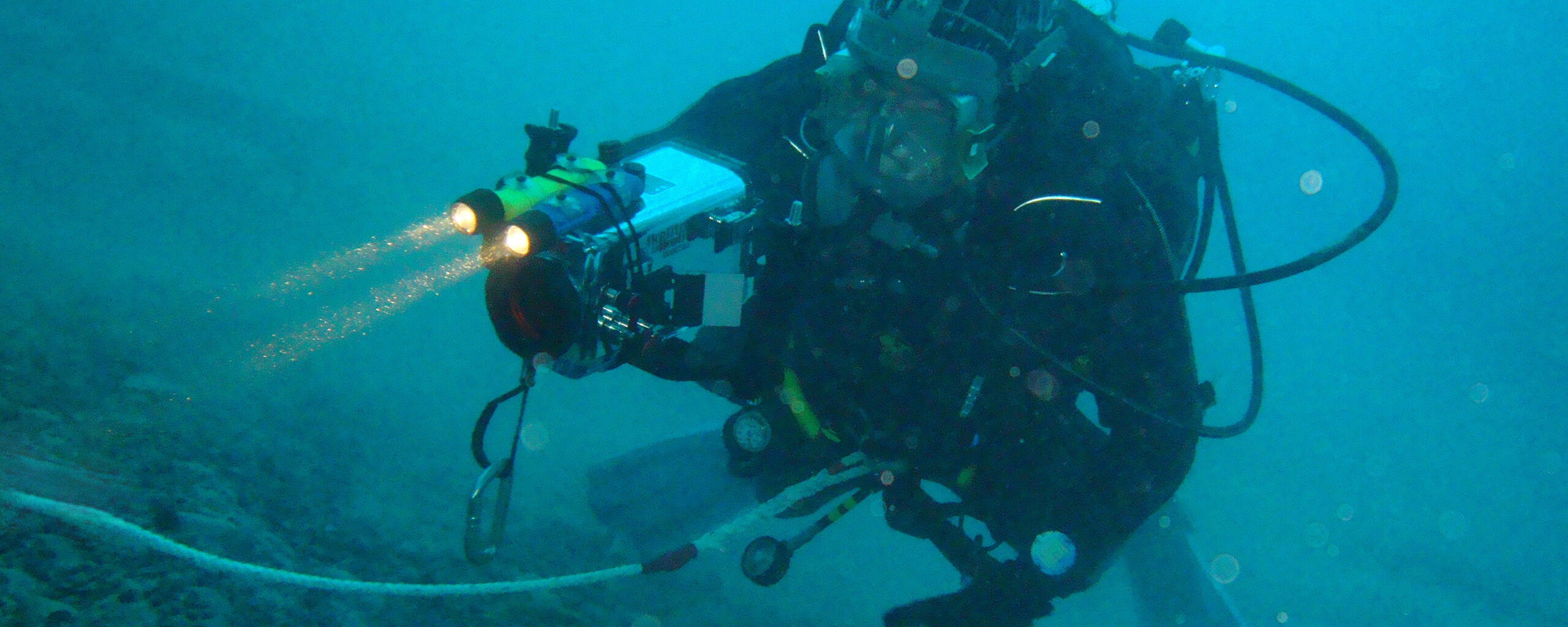
Offshore gas fields worldwide are major sources of methane emissions. Developing reliable methods to locate emissions and pinpoint sources is critical for quantifying the volume of methane emissions from gas fields across the world.
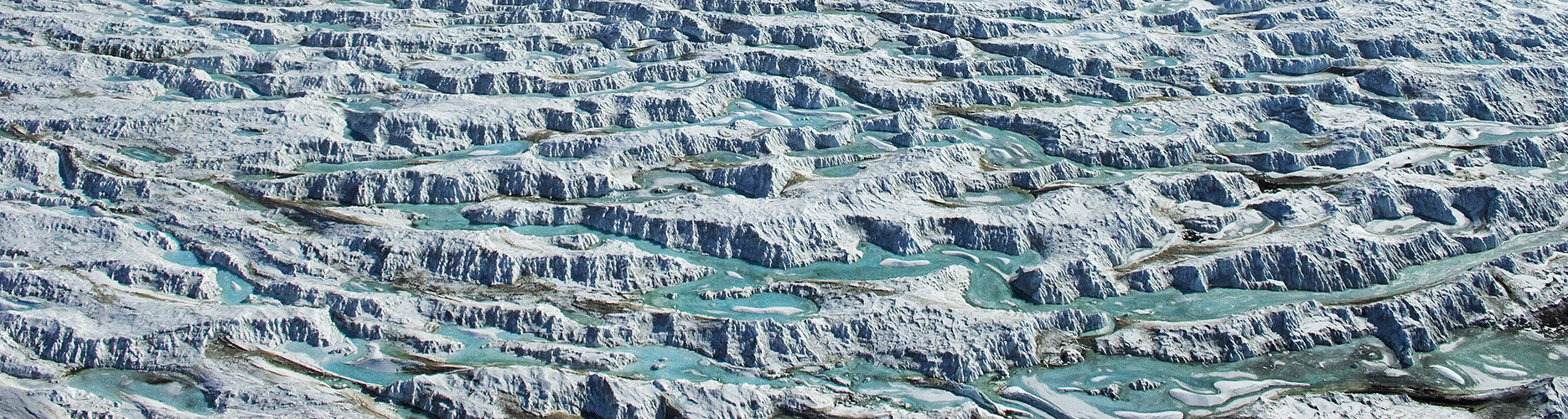
By exploiting advances in ice sheet modelling, and new Antarctic-wide datasets, this project aims to predict how far and how fast the observed ocean-driven thinning of floating ice shelves will propagate into the interior of the Antarctic ice sheet, and assess the consequences for global sea level over decadal-to-centennial timescales.

Development of regional models to examine the detailed oceanography of island shelves and surrounding regions.

As part of the BAS Polar Oceans team’s long-term monitoring programme, we have been observing this outflow using moored instruments since 2007, in collaboration with Lamont-Doherty Earth Observatory , who have been observing this region since 2004.
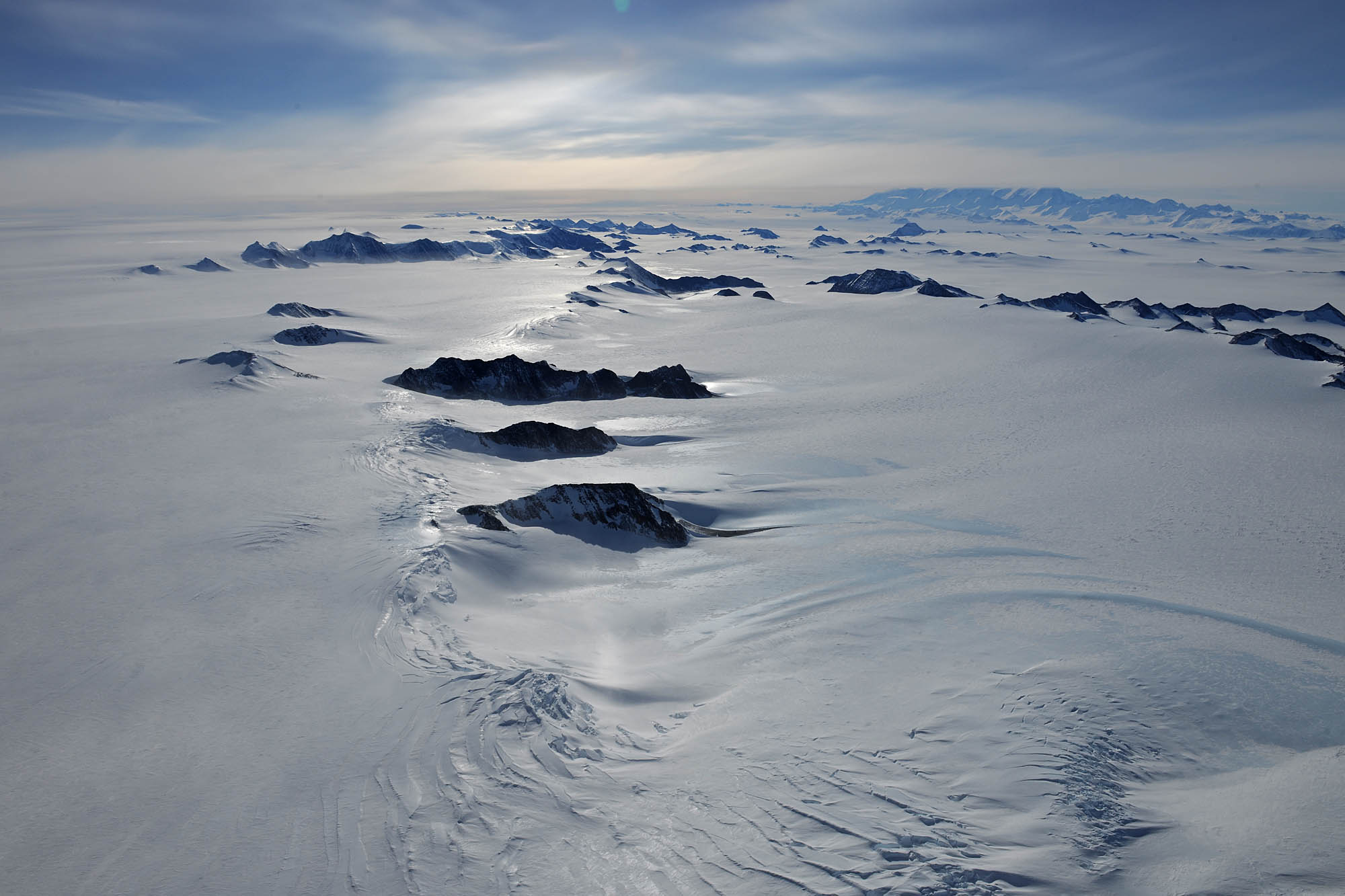
OFCAP was an integrated programme of field observations, analysis and modelling aimed at understanding how the westerly winds in the Antarctic Peninsula influence the climate.

This project will tackle the the question of how strongly changes in ocean circulation affect global climate.
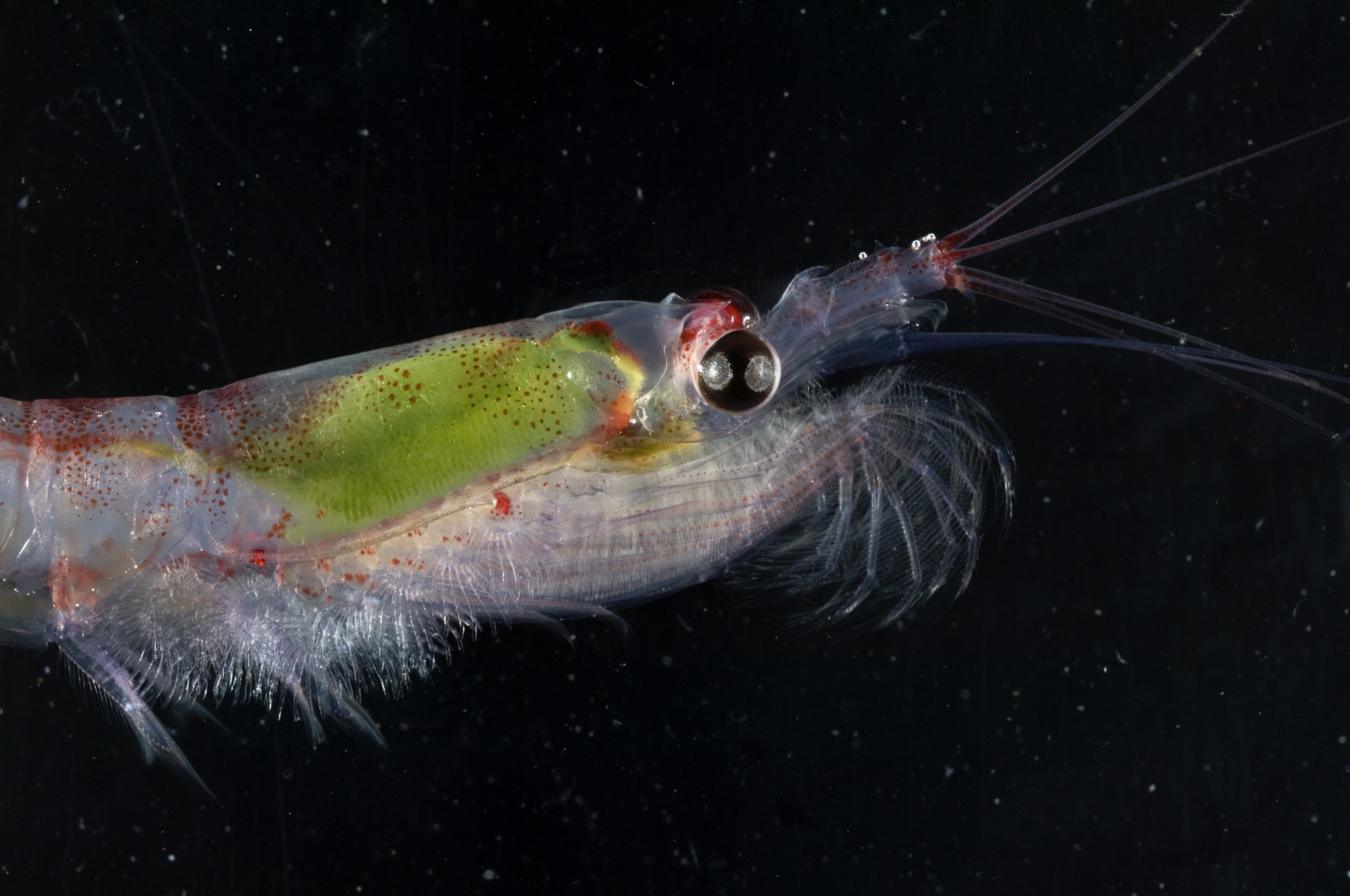
Understanding krill-parasite interactions helps predict krill population dynamics. It also improves models of Antarctic ecosystem function.

Past Westerly Winds research project used climate model simulations to investigate how Southern Ocean westerly winds behaved during the last glacial maximum.

The aim of this project is to learn more about the feeding habits of penguins around the Antarctic Peninsula to understand how their behaviour may be changing as the waters around the Peninsula warm.

PlanetBelt3 will be looking at the radiation belts of Saturn in this project, to include important newly recognised transport processes.