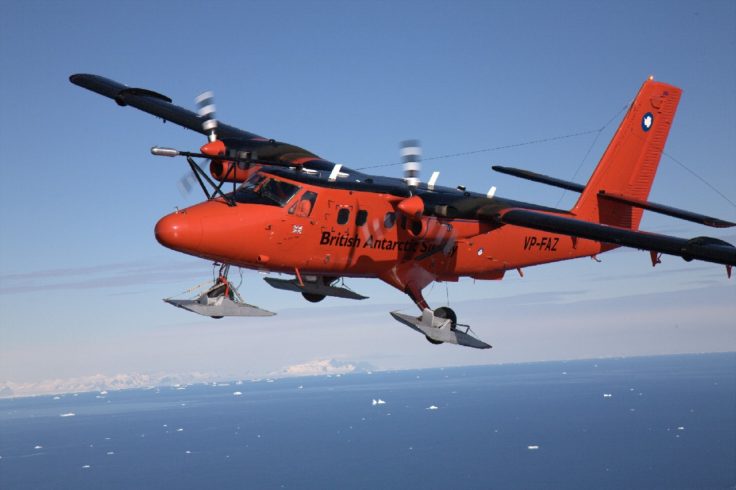
Cambridge garage and mechanical workshop
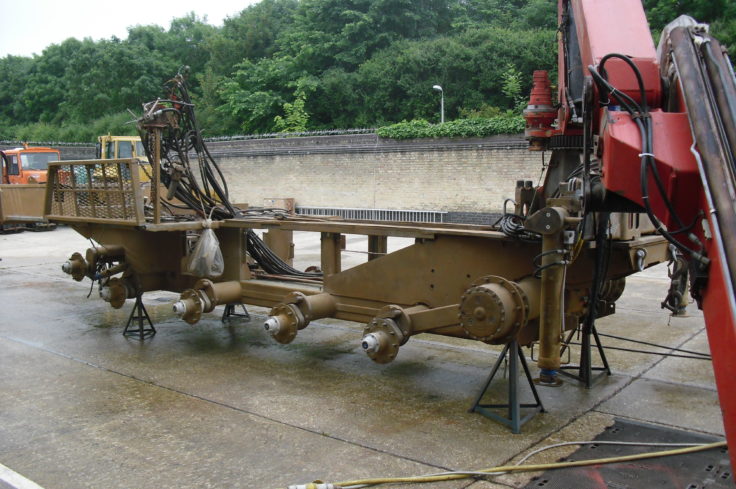
Getting vehicles ready for Antarctic service

85 to 96 of 136 results
Getting vehicles ready for Antarctic service
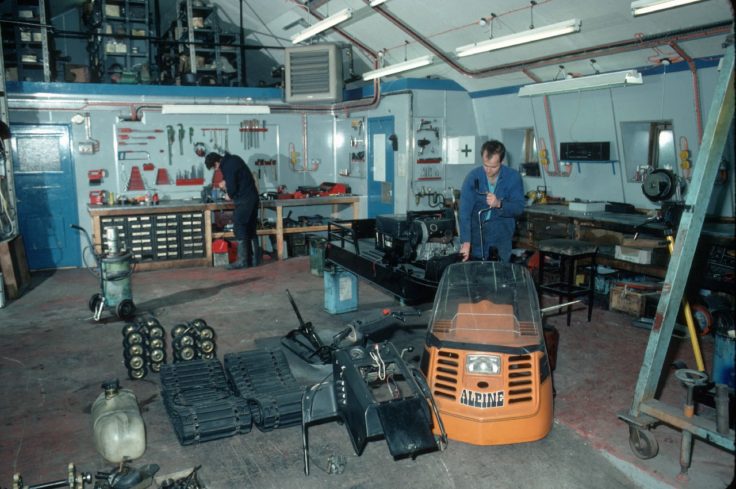
The garage facilities at Halley are well equipped and the vehicle mechanics are able to repair most breakdowns that may occur on site.
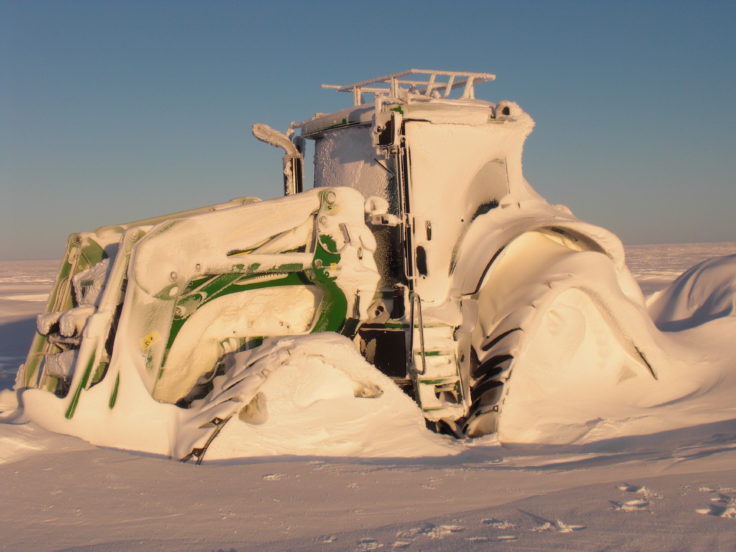
To ensure that the vehicles fleet remains reliable and succeeds in supporting deep-field science and station operations there’s is fully equipped mechanical workshop staffed by vehicle and plant technicians.
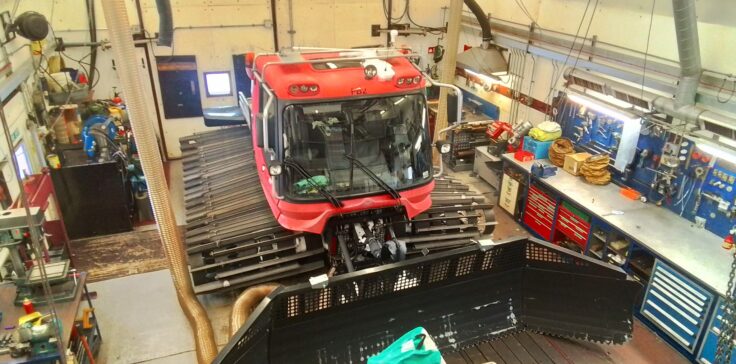
Our tractor train traverse system is an innovative way to support deep-field science across Antarctica.
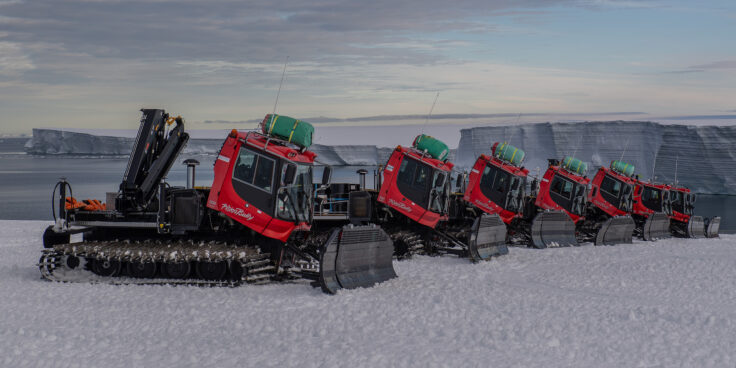
Discover how our vehicle fleet is prepared for polar service
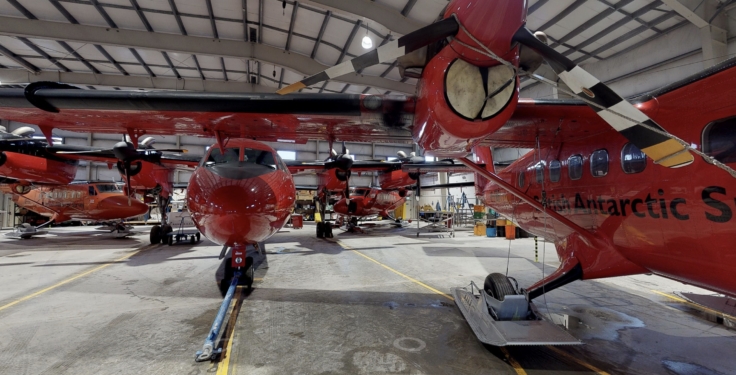
With its runway Rothera Research Station is the polar operations hub that supports British Antarctic Survey’s airborne capability
The Shallow Under Water Camera System can work to depth up to 1000m, showing a black and white live low resolution video stream and can take colour high resolution stills.

The RRS James Clark Ross has a purpose build scientific mooring winch, which is capable of deploying mooring of up to 4000m length of 14mm rope diameter.

BAS has developed aerogravity systems that can be mounted in its geophysical survey aircraft, or in a UAV. Over 100,000 km of gravity data has been collected since such systems were first deployed in 1993.
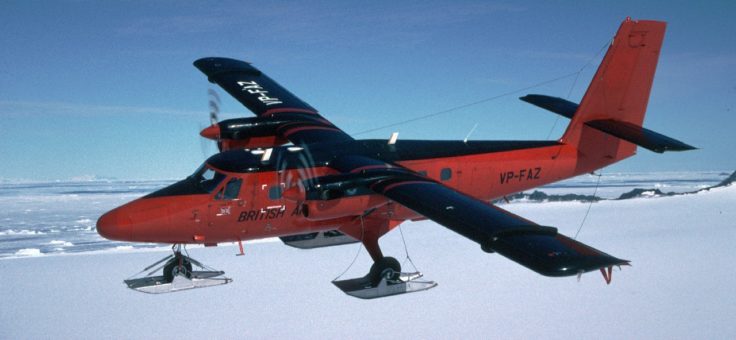
Two of the four BAS Twin Otters are equipped with a full remote sensing capability, providing scientists with data on land, ice and sea.