Oceanographer

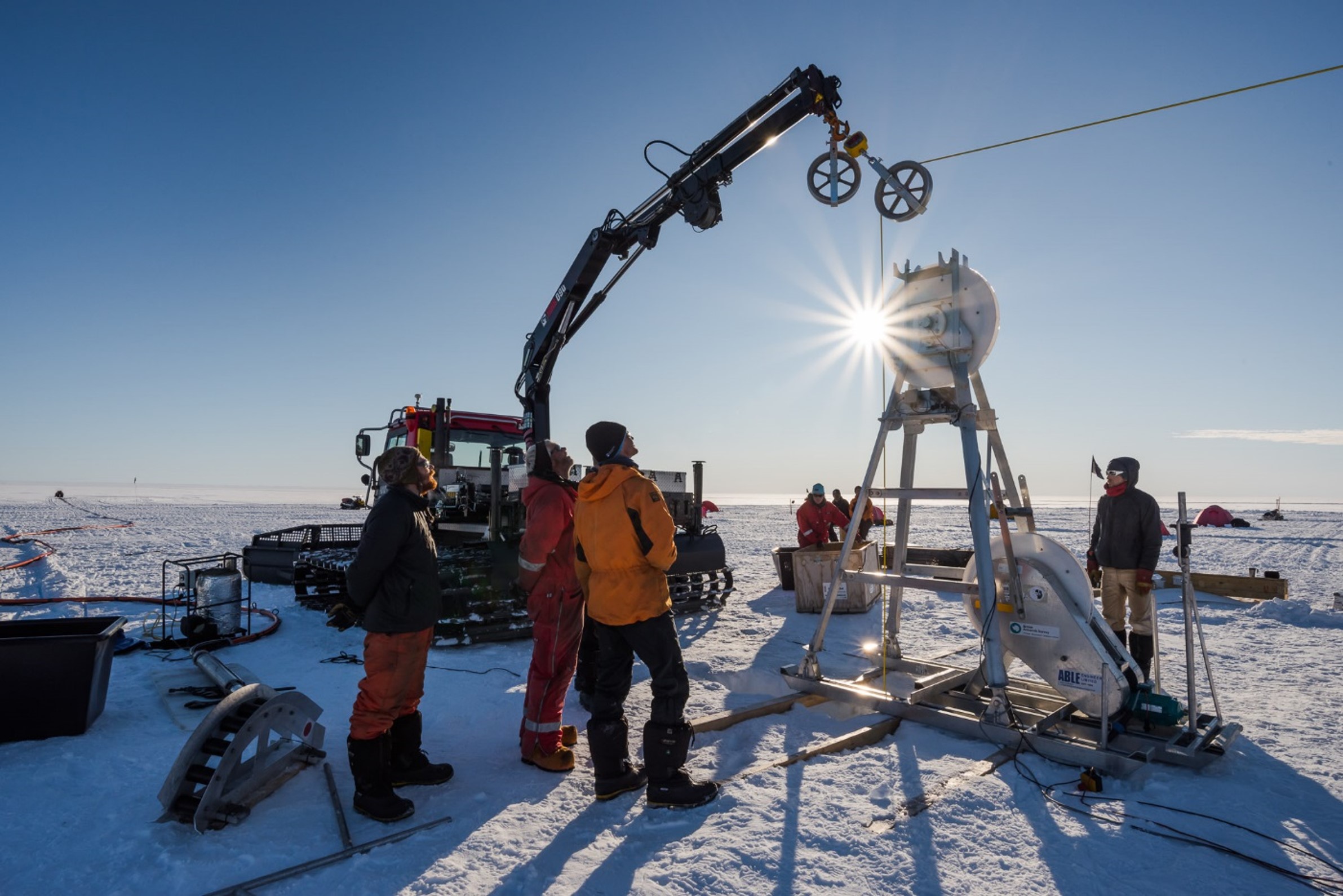
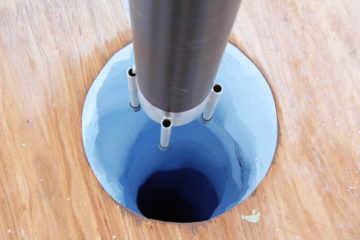
British Antarctic Survey leads the world in hot water drilling through ice. We have the hardware and expertise to access environments below remote polar glaciers, by drilling a narrow shaft through ice up to 2.3 km thick.
British Antarctic Survey has been developing and using the technique of hot water drilling for more than 40 years. This technique provides subglacial access – allowing direct observations and sampling of the ocean and seabed beneath floating ice shelves, and sampling of sediments beneath grounded ice.
These observations are essential to understanding how glaciers are affected by conditions below the ice. They enable investigations into ice shelf oceanographic processes, ice-ocean and ice-bed interactions, benthic biology, biogeochemical processes, subglacial ecosystems, and ice history captured in subglacial sediments.
BAS hot water drills have reliably provided numerous subglacial access holes up to 941 m deep through Filchner-Ronne, Larsen-C, and George VI ice shelves, Thwaites Glacier and Petermann Glacier (Greenland), and up to 2154 m on Rutford Ice Stream.
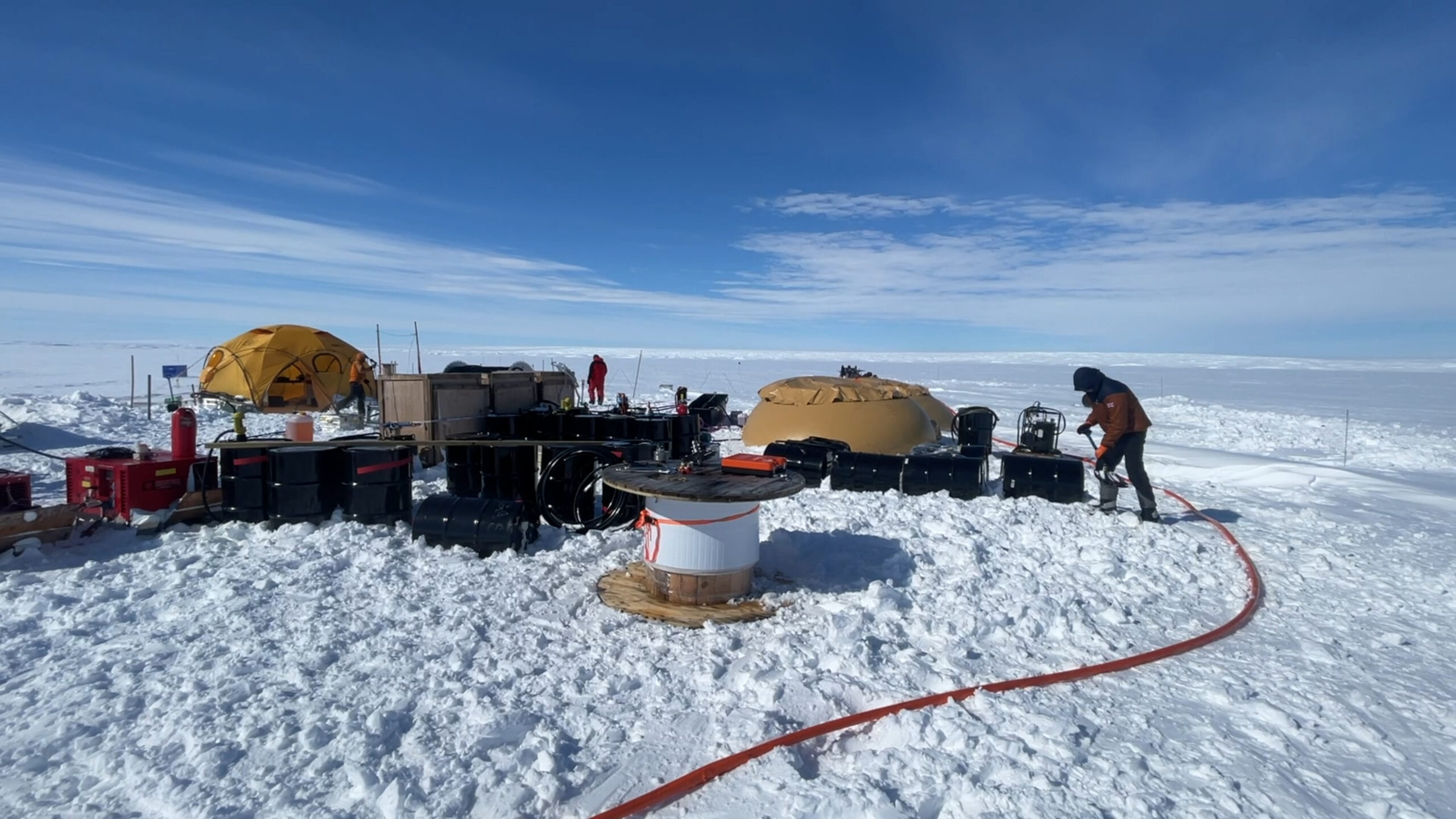
The hot water drilling group develop, maintain, and support a range of drills that have a fully modular design. The smallest drills are capable of being deployed by Twin Otter aircraft and helicopter, while the largest drill system requires over-snow traverse logistics.
The current hot water drill infrastructure for use in the Arctic and Antarctic consists of three independent drilling systems with depth capabilities of 500 m, 1,000 m (see Makinson and Anker, 2014), and 2,300 m (see Anker et al., 2021). These systems all use petrol-fuelled generators, and water-heaters powered by aviation fuel to heat the drill water to around 90°C. For example, the 1000 m hot water drill system uses high pressure pumps to deliver 120 litres of water per minute down the drill hose. The 0.75 MW of heating power can melt a 30 cm diameter hole at up to 1.7 metres per minute.
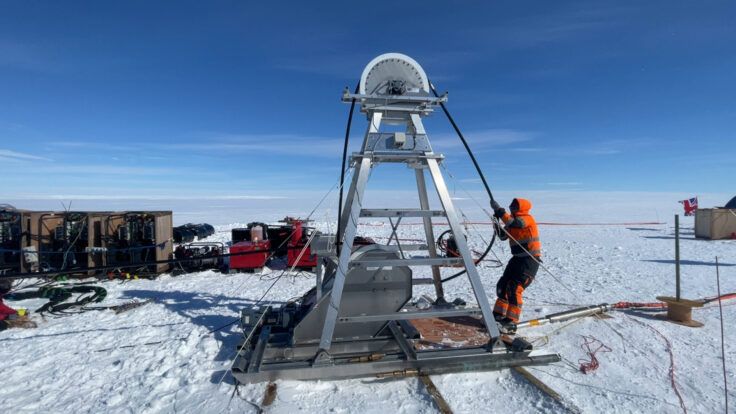
Once the access hole is drilled through the glacier, freezing will close the hole within a day or two. In order to maintain access below the glacier, the hole has to be widened with a hot water drilling reamer tool back to the original diameter.
To facilitate clean access, drill water filtration to 0.1 μm and ultraviolet modules (254 nm and 185 nm) have been developed for deep subglacial lake and ice sheet access. Additional modules extend the depth capability to 2800 m and the operating altitude to over 2000 m (see Makinson et al., 2021).
Oceanographer

Drilling Engineer/Marine Tech
The International Thwaites Glacier Collaboration unites global scientists to study Antarctica’s most vulnerable glacier, predict sea-level rise, and inform climate action worldwide.
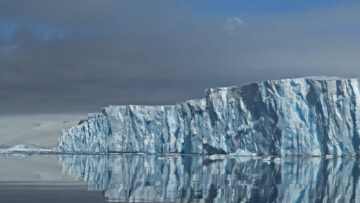
BEAMISH drilled through over 2 km of ice on Rutford Ice Stream to discover when the West Antarctic Ice Sheet last collapsed and how water and soft sediments beneath it help the ice flow towards the sea.
This project investigated the stability of Antarctica’s Filchner Ice Shelf to produce sea-level projections using hot water drilling, ocean measurements beneath the ice shelf, sediment coring, radar surveys and autonomous submersibles.
MELT is an ice-based project that will use autonomous sensors to monitor the ice column and ocean beneath the ice shelf in the critical area of the grounding line (the point where the glacier goes afloat to become ice shelf).
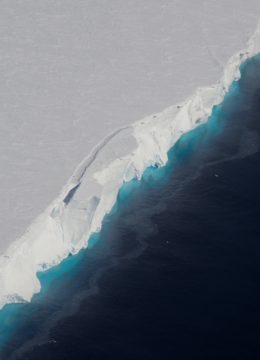
PRESCIENT supports long-term, strategically important measurements and capabilities for the wider science community.
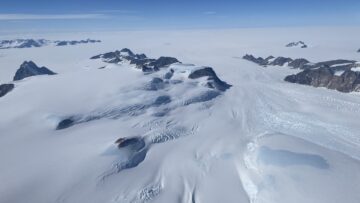
THOR examined sedimentary record both offshore from the glacier and beneath the ice shelf, together with glacial landforms on the sea bed, to reconstruct past changes in ocean conditions and the glaciers response to these changes.
Every year at British Antarctic Survey is a huge team effort. What we do couldn’t happen without every one our talented staff – whether they are doing the legwork of […]
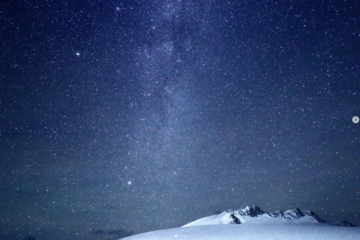
In January 2019 a science and engineering team drilled over two kilometres through the ice sheet in West Antarctica using hot water. It was the first time they had done this […]
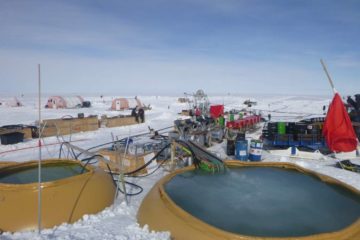
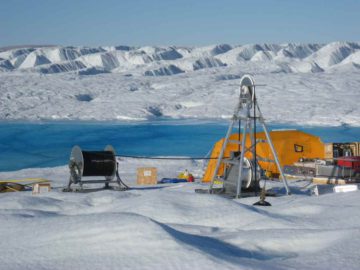
Standing anywhere on Petermann ice shelf, the overriding sense you get is the proximity of water. A lot of water. Standing water, ranging from small ponds, up to lakes hundreds […]
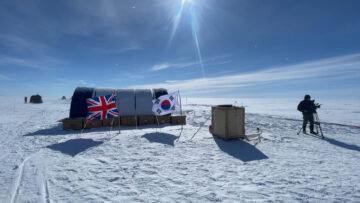
A team of researchers from the UK and Korea has reached the most inaccessible and least-understood part of Thwaites Glacier in West Antarctica where they will drill through the glacier to directly observe how warm ocean water is melting it from below.
As spring returns to the southern hemisphere British Antarctic Survey (BAS) has started another research season which will take them over land, sea and ice in search of answers to […]
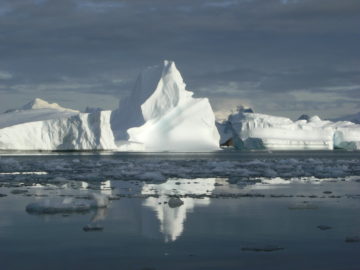
New study reveals when West Antarctica’s largest glacier started retreating Reporting this week (Wednesday 23 November) in the journal Nature an international team led by British Antarctic Survey (BAS) explains […]