
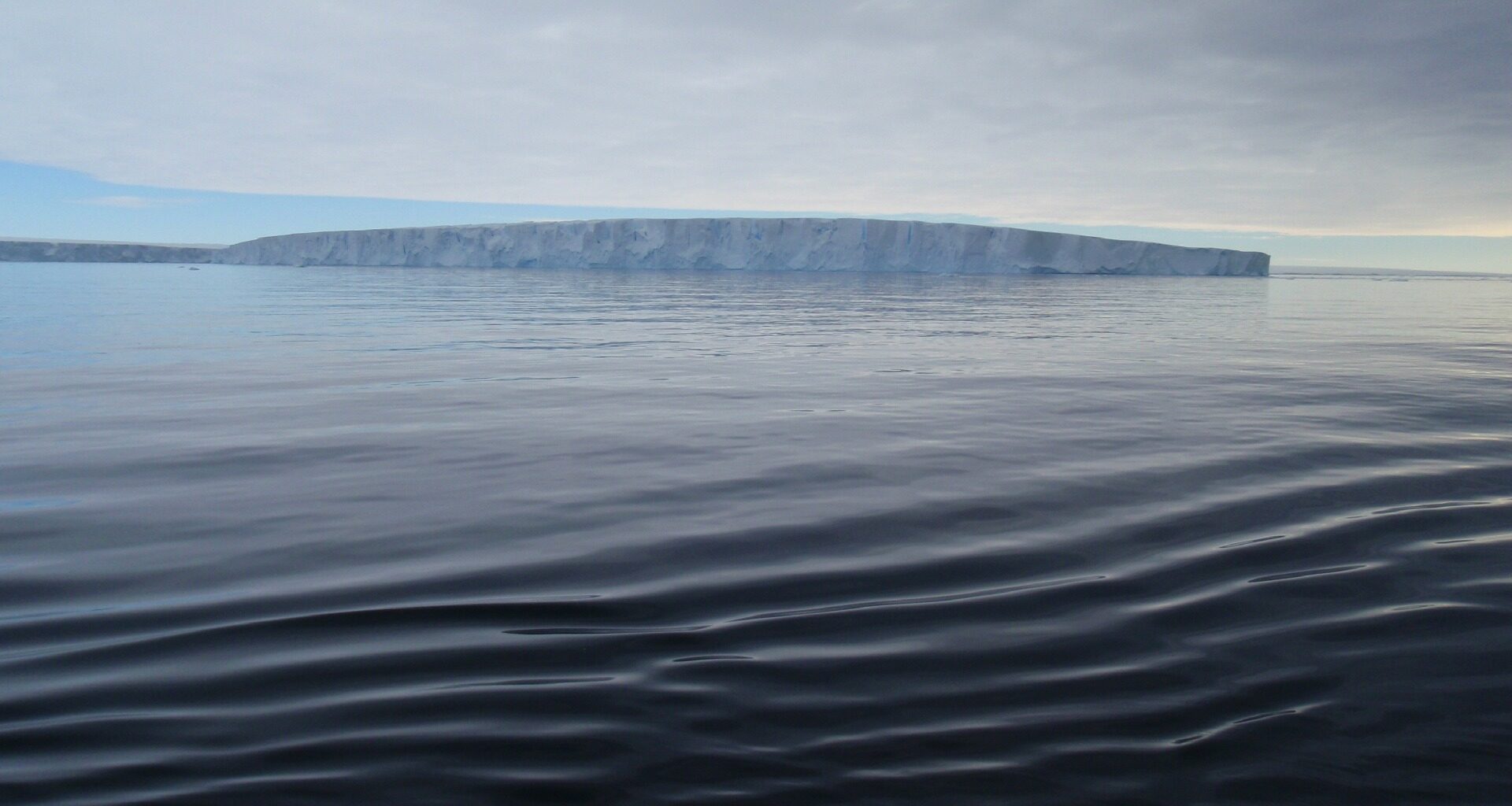
Human activity has driven retreat of one of Antarctica’s most important glaciers
British Antarctic Survey scientists have contributed to the first study to directly link the retreat of a major Antarctic glacier to human-caused climate change. This research warns that the consequences of today’s emissions will shape Antarctic ice loss for centuries to come.
The study, led by researchers at King’s College London and published in the journal The Cryosphere, focuses on Pine Island Glacier – one of the biggest single contributors to global sea level rise. It drains a vast section of the West Antarctic Ice Sheet into the Amundsen Sea and for decades scientists have watched it withdraw at an alarming rate. Now, for the first time, they have been able to show that human influence made that retreat substantially worse.
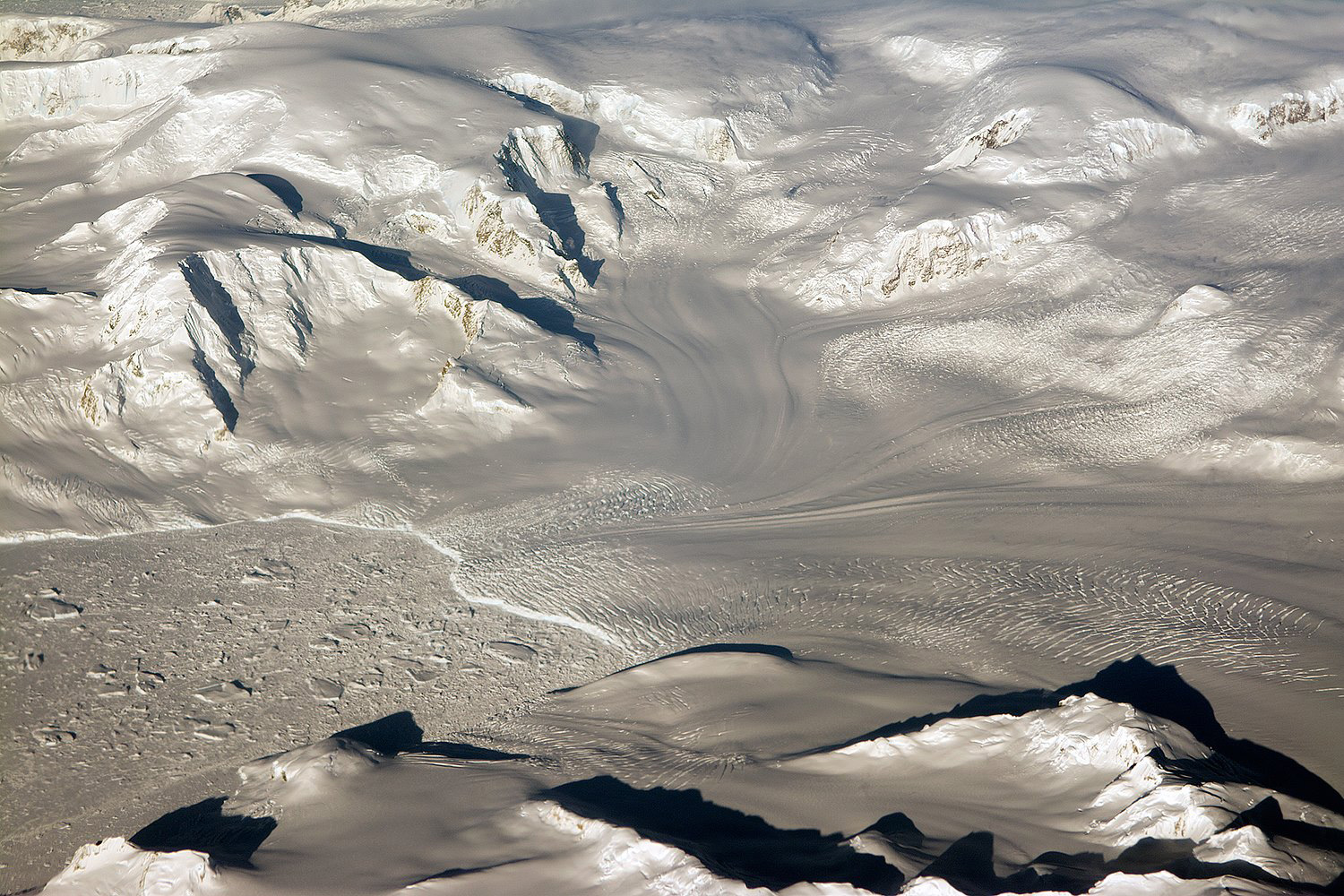
Pine Island Glacier, Michael Studinger NASA 2014
The research found that greenhouse gas emissions intensified the glacier’s retreat by around 18–20% since the 1940s, adding several kilometres to its landward withdrawal.
Dr Mira Adhikari, Ice Sheet Modeller at BAS said, “Our results add to growing evidence that human-driven climate change is likely affecting even the most remote regions of the planet. Changes in Antarctica have global consequences, particularly for sea level rise, highlighting the far-reaching impacts of a warming world.”
Geological records show Pine Island Glacier began retreating rapidly in the 1940s, likely driven by more warm ocean water flowing beneath its floating ice shelf. The study found that human-driven ocean warming thought to have begun in the 1960s then accelerated that process further. By 2015, simulations that excluded human influence showed around 4km less retreat than was actually observed.
While the science of linking extreme events or environmental changes to human activity (known as attribution science) has become well established for heatwaves, floods, and even mountain glaciers, applying it to the vast and complex ice sheets of Antarctica has until now proven far more difficult.
The team used a model that simulates glacier behaviour, drawing on real-life changes in ice thickness and retreat to constrain its estimates. They then compared scenarios with and without human-driven global warming to isolate the signal of human influence from natural variability.
Looking further ahead, the models suggest Pine Island Glacier may briefly stabilise later in this century as it encounters a ridge in the bedrock beneath it. But that pause is likely to be temporary. If warming continues, the research indicates that human influence will become the dominant driver of retreat again in the twenty-second century.
The paper, Detection and attribution of the role of anthropogenic climate change in industrial-era retreat of Pine Island Glacier, is published in The Cryosphere.