Historic drilling project finds ice over 1.2 million years old
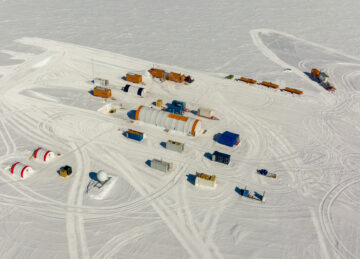
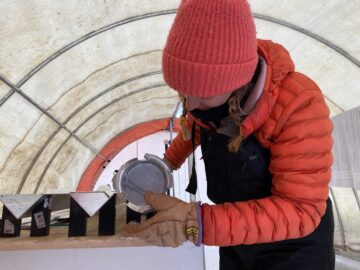
The Beyond EPICA-Oldest Ice project has successfully drilled a 2800-metre-long ice core consisting of ice which is over 1.2 million years old.


British Antarctic Survey (BAS) addresses the big questions in polar science, and how they apply to all of Earth’s environments, through nine interdisciplinary science teams and one support team.
BAS’s science teams comprise the Survey’s own scientists, and they work in collaboration with universities and research organisations in the UK and globally. They use the polar regions as a natural laboratory to understand global environmental issues and inform policy.
The nine science teams are supported by the Research Development and Support (ReDS) business team. Their role includes:
ReDS also supports postgraduate research programmes and offers technical services and health and safety guidance to the science teams.
A common thread among all BAS science and support teams is stakeholder and public engagement. This includes:
All the teams also help train the next generation of polar scientists through PhD programmes and postdoctoral research.
The Beyond EPICA-Oldest Ice project has successfully drilled a 2800-metre-long ice core consisting of ice which is over 1.2 million years old.
Over 30 researchers from international institutes are working on ice core drilling campaigns in Antarctica to probe the ice sheet’s behaviour, carbon cycling in the Southern Ocean, and the Earth’s climate history.
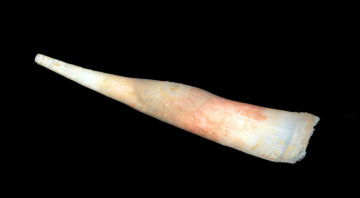
A new species of tusk shell, a burrowing marine mollusc, has been discovered in deep, North Atlantic waters by scientists from British Antarctic Survey and the Senckenberg Society for Nature Research.
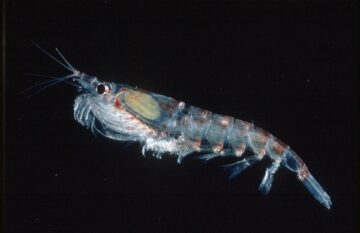
New research shows that increased levels of plastic pollution in the Southern Ocean could reduce the ability of Antarctic krill, a tiny shrimp-like crustacean, to help take CO2 from the atmosphere.
British Antarctic Survey is one of seven Natural Environment Research Council (NERC) supported centres and the Met Office, which will work together as the new UK National Climate Science Partnership (UKNCSP) to respond to threats posed by a rapidly changing climate by putting climate science at the forefront of the solutions agenda.
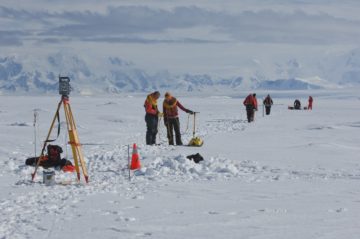
Today (Monday 1 March 2021) the RRS James Clark Ross (JCR) makes her final call to her home port of the Falkland Islands. After 30 years of service, the JCR will be sold at the end of her 20/21 Antarctic season. […]
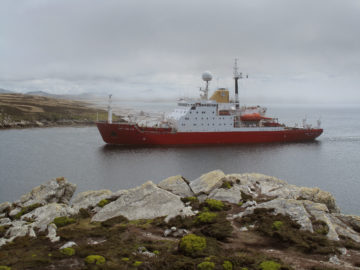
A huge iceberg (1270 km²) the size of the county of Bedfordshire has broken off the 150-m thick Brunt Ice Shelf, almost a decade after scientists at British Antarctic Survey […]
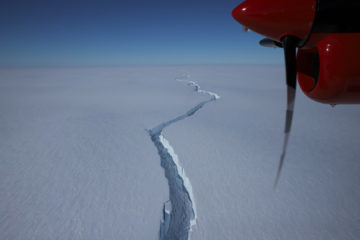
An evaluation of British Antarctic Survey (BAS) has provided an objective assessment of its research excellence and impact. It concludes BAS is ‘world leading’ and ‘internationally excellent’. Two independent panels […]

The BAS field season is underway. Since the RRS James Clark Ross departed the UK in November last year, it has safely delivered summer and wintering staff and essential cargo […]
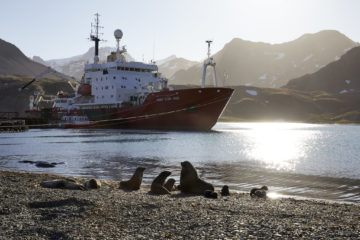
The joint US/UK five-year programme to study the future contribution of Thwaites Glacier in West Antarctica to global sea-level rise – the International Thwaites Glacier Collaboration (ITGC) – announces news […]
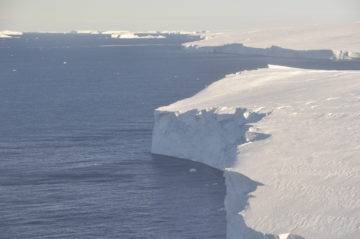
Teams from the US and UK have successfully completed scientific fieldwork in one of the most remote and hostile areas of West Antarctica – coinciding with the 200th anniversary of […]
Nearly 100 scientists and support staff depart this week (13 November 2019) for the most ambitious mission to date for Thwaites Glacier in West Antarctica. In the second year of […]
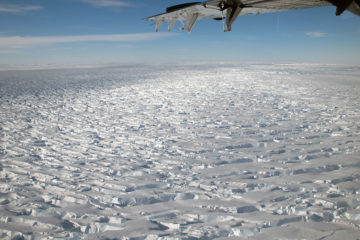
Getting ready to go south
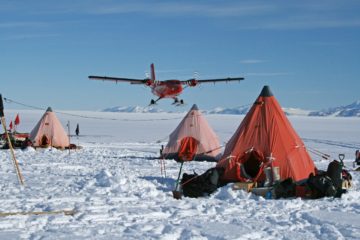
Medical research in Antarctica
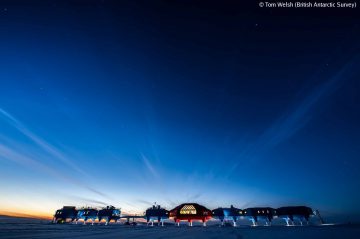
British Antarctic Survey (BAS) has successfully relocated Halley VI Research Station to its new home on the Brunt Ice Shelf. Operational teams have spent the past 13 weeks moving each […]
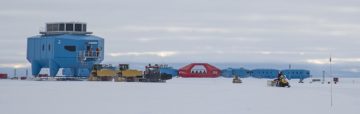
As spring returns to the southern hemisphere British Antarctic Survey (BAS) has started another research season which will take them over land, sea and ice in search of answers to […]
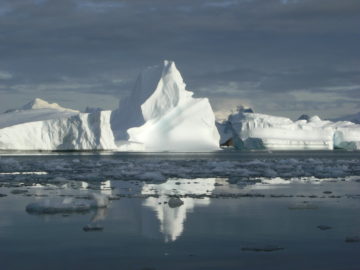
New season tackles ambitious science and logistical challenges The British Antarctic Survey (BAS) 2015/16 field season is underway with dozens of scientists and support staff – together with planes and tonnes […]
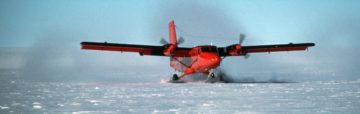
BAS rated highly in research institution rankings NERC’s British Antarctic Survey (BAS) and National Oceanography Centre (NOC) both feature among the world’s top 100 Earth and environmental science institutions, according […]
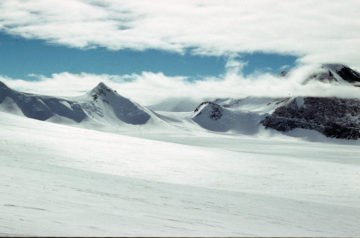
British Antarctic Survey and Chilean Antarctic Institute sign agreement to strengthen science cooperation This month Prime Minister David Cameron and Foreign Secretary, William Hague welcomed a joint commitment to partner […]