Head of Airworthiness and Aircraft Engineering

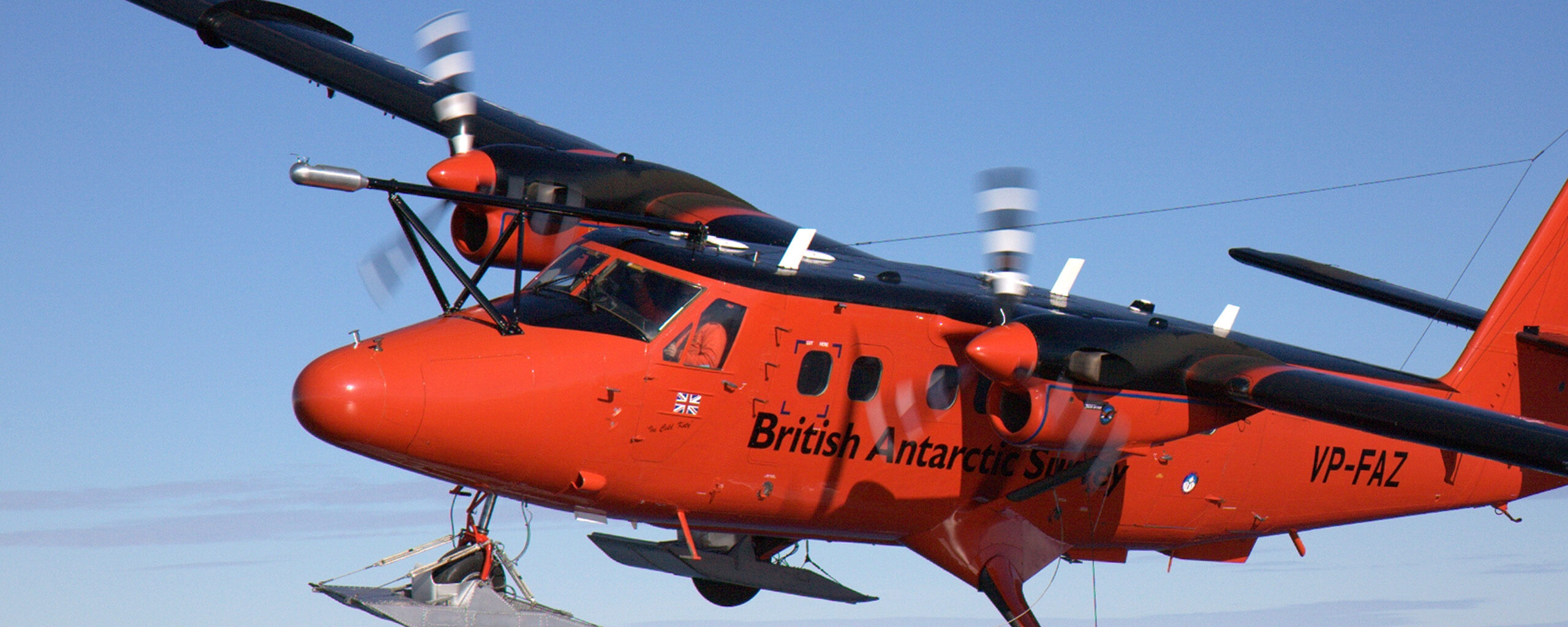
Our Air Unit team operates and manages an integrated fleet of aircraft. These aircraft support research, survey, and polar logistics.
We aim to execute a challenging programme of airborne science and logistics. Our goal is to provide the environmental science community with access to a range of aircraft platforms and instrumentation.
The fleet comprises five specially adapted aircraft. These are a De Havilland Canada Dash 7 and four Twin Otters.
At the beginning of each season, pilots and engineers ferry the aircraft south from their base
in the northern hemisphere. Flights in Antarctica take place during the Antarctic summer, usually between October and March. Winter darkness and very cold temperatures prevent flying at other times.
The Air Unit team focuses on:
We stay up to date with the latest technological developments in polar aviation.
We provide specialist advice and expertise to other polar programmes and operators.
We work with:
Head of Airworthiness and Aircraft Engineering