Our world-leading scientific activity helps tackle some of the biggest challenges facing the planet. They include climate change, biodiversity loss, and environmental risk.
The vital work we do helps support national and international climate goals. We provide trusted evidence and strategic direction that helps governments, industries and communities respond to change.
By doing this we help to build a more sustainable future for everyone.
Our 10 year vision
As part of science strategy, we focus our research on the following five interconnected themes. Together, these will improve global understanding and support urgent action.
1) Polar change and Earth system resilience
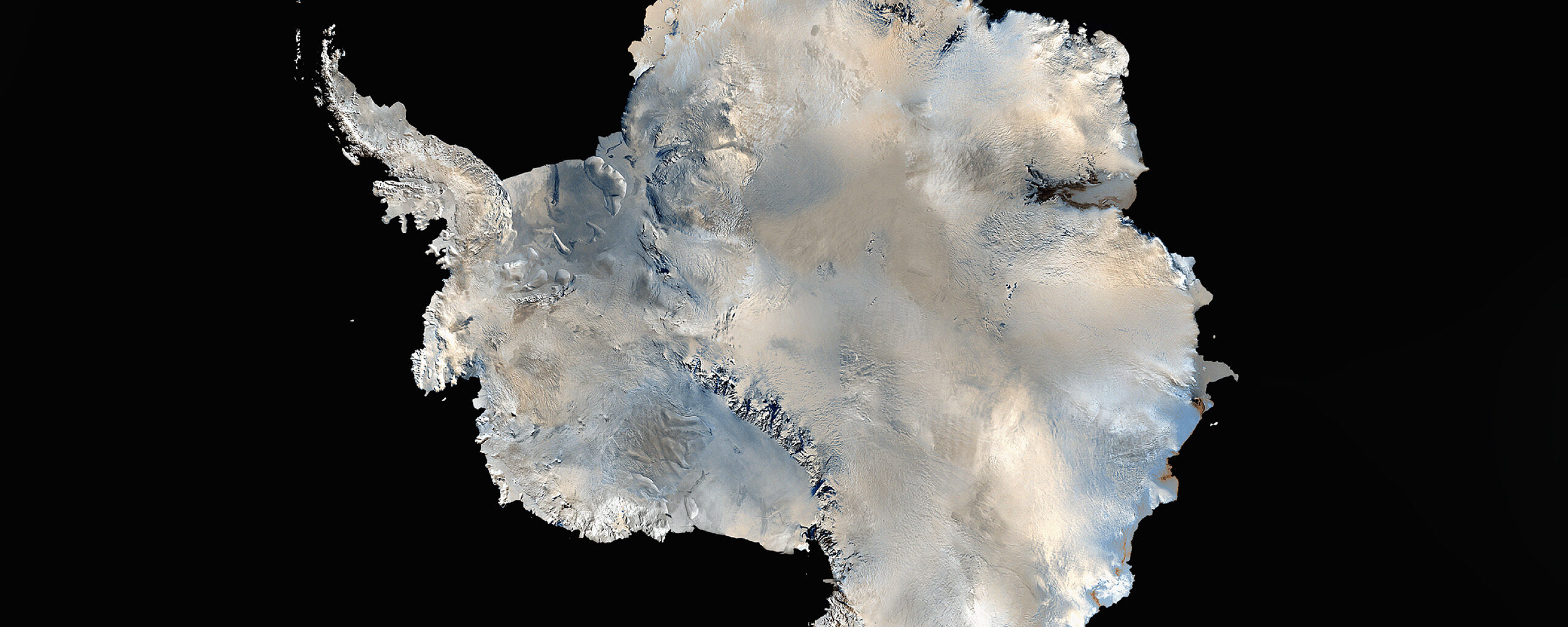
We study how the polar regions affect the rest of the planet. This covers rising sea levels, ocean circulation, and extreme weather.
Projects like GIANT help improve climate predictions, and identify early warning signs of rapid change.
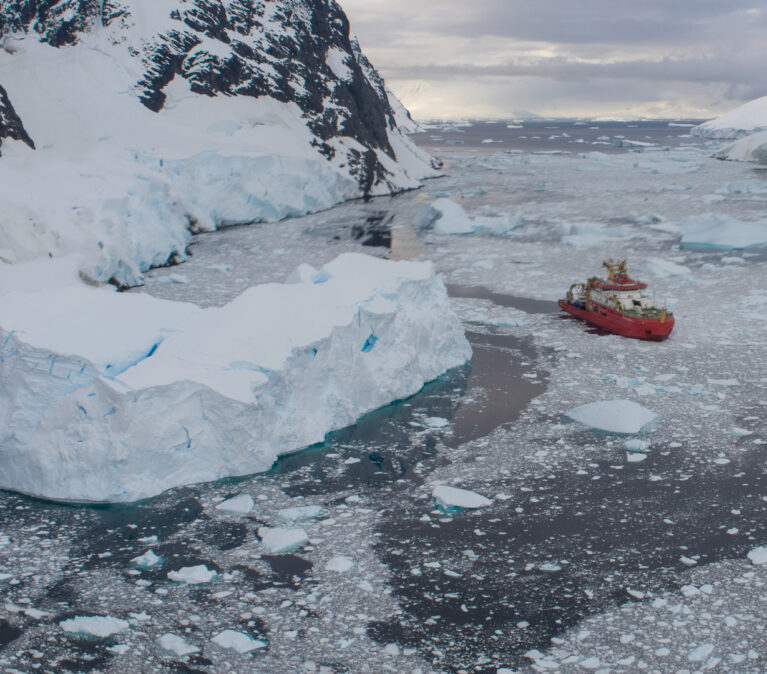
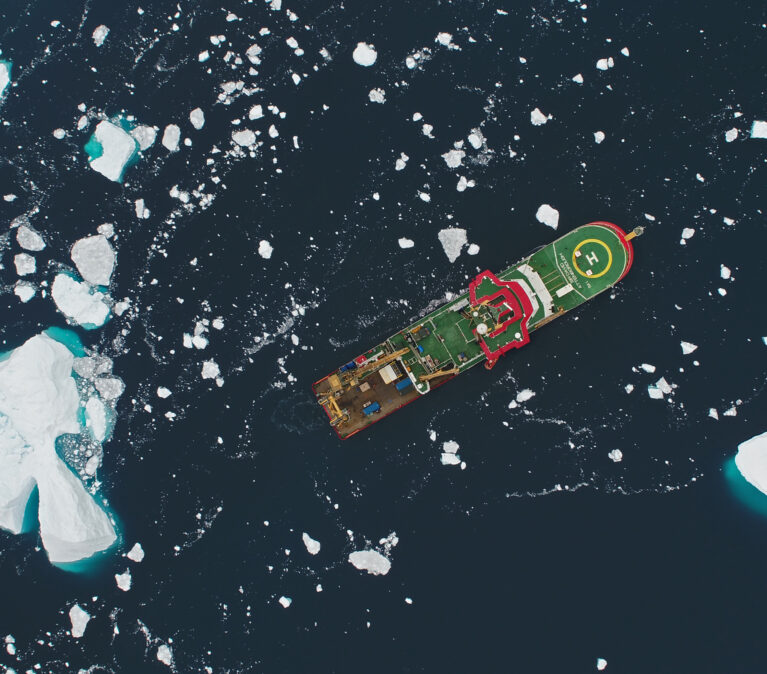
Our research ship, the RRS Sir David Attenborough, plays a crucial role in collecting the data we need from hard-to-reach areas.
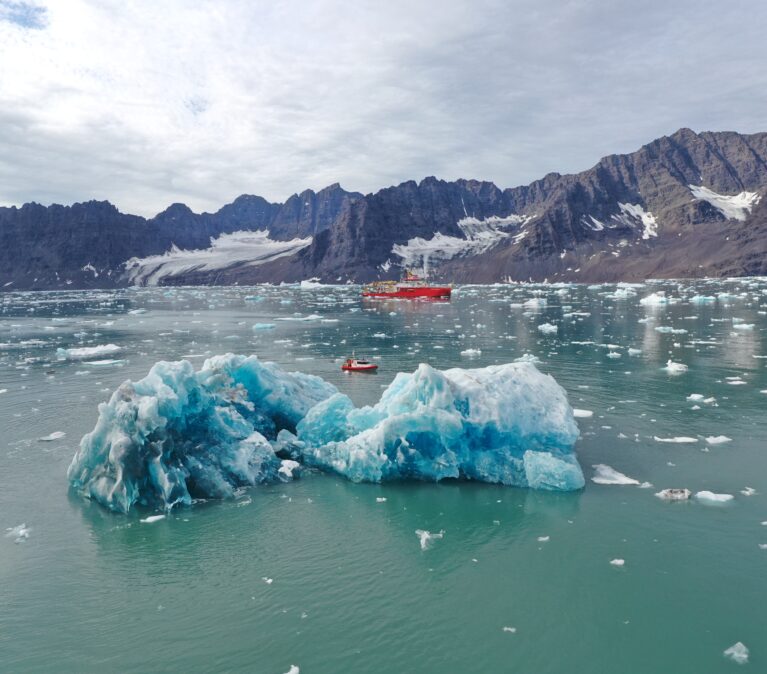
Understanding Greenland’s changing ice
GIANT is a pioneering science project that will test the potential for early warning of a critical climate tipping point.
2) Biodiversity and conservation in polar regions
We investigate how life in the polar regions is responding to environmental pressure—from microbes in the ocean to seals and whales.
For example our BIOPOLE programme looks at how ecosystems support biodiversity and store carbon, helping shape conservation and marine protection efforts.
Biogeochemical processes in polar ecosystems
BIOPOLE studies how climate change is affecting the release of nutrients from the polar regions, and their redistribution around the world’s oceans.
3) Environmental hazards and infrastructure
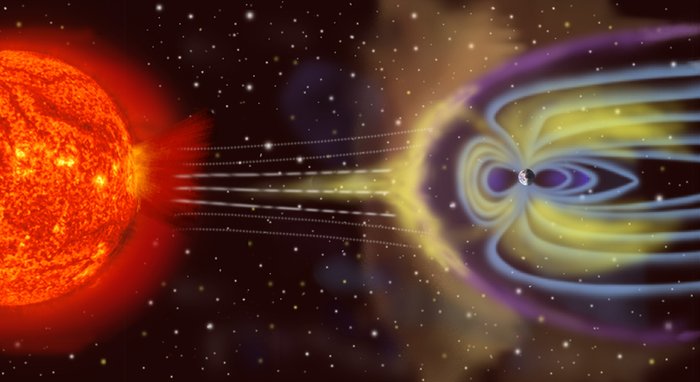
We assess natural hazards such as volcanic activity, earthquakes and space weather. Our work, through projects like Extreme Space Weather, helps protect infrastructure, aircraft, and satellites from environmental threats.
Extreme Space Weather
Concern at government level in the UK is such that severe space weather was added to the UK’s National Risk Register of Civil Emergencies.
4) Sustainable use of polar resources and services
We explore how polar regions support people and nature around the world. This includes food from fisheries, clean air, and climate regulation. Our research helps ensure these resources are used sustainably, and are protected for the future.
Conservation and leadership in Southern Ocean ecosystems
CONSEC explores how climate change and human activity are transforming the Southern Ocean, guiding global science and conservation.

5) Integrated observations and digital innovation
We use satellites, sensors, autonomous vehicles and AI to build digital models (‘twins’) of the polar environment. These tools support better real-time decisions and improved long-term planning.
Digital Twins of the Polar Regions
This project is developing digital twins of Antarctic and Arctic environments and resources. A digital twin makes it possible to test “what if” questions far more quickly than traditional computer models.