Nature’s ocean fertiliser
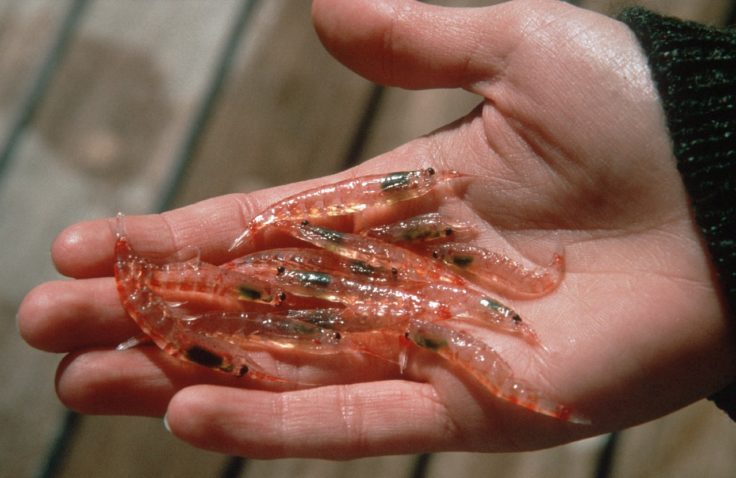
Scientists have discovered that Antarctic krill – a tiny shrimp-like crustacean – plays a key role in fertilising the Southern Ocean with iron, which stimulates the growth of phytoplankton, the […]

61 to 72 of 99 results
Scientists have discovered that Antarctic krill – a tiny shrimp-like crustacean – plays a key role in fertilising the Southern Ocean with iron, which stimulates the growth of phytoplankton, the […]
A new study has found for the first time that ocean warming is the primary cause of retreat of glaciers on the Antarctic Peninsula. The Peninsula is one of the largest current contributors to sea-level rise and this new finding will enable researchers to make better predictions of ice loss from this region.
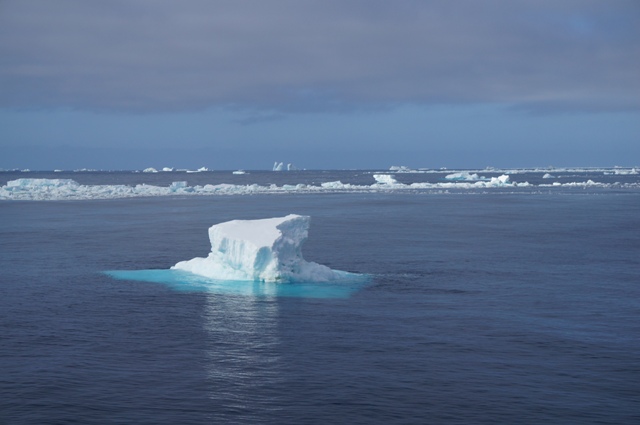
Antarctic sea ice is constantly on the move as powerful winds blow it away from the coast and out toward the open ocean. A new study published today in the journal Nature Geoscience (Monday 27 June) shows how that ice migration may be more important for the global ocean circulation than anyone realized.

UKESM-BAS contributes to the UK Earth System Model by coupling the BISICLES ice sheet model with global climate models to improve sea level rise projections, and by developing satellite-based techniques to assess sea ice predictions.
Understanding the Ocean Regulation of Climate by Heat, Carbon Sequestration and Transports
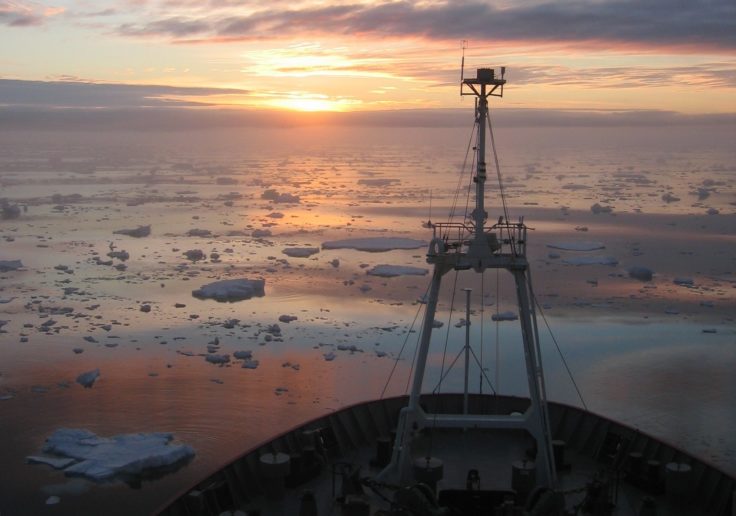
16 PhD students and Early Career Researchers have a unique opportunity to gain practical skills for working safely and effectively in the polar regions.
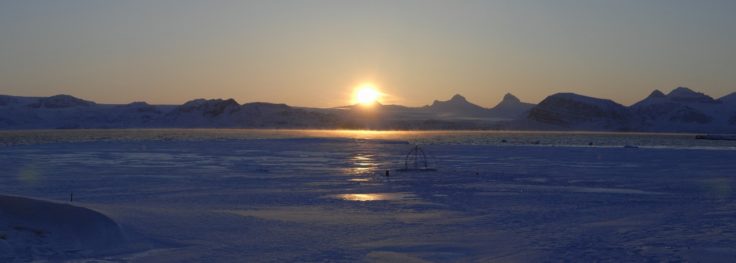
Research published this week by an international team of scientists, including the British Antarctic Survey, provides new insights into how carbon dioxide changed in the oceans surrounding Antarctica during glacial […]
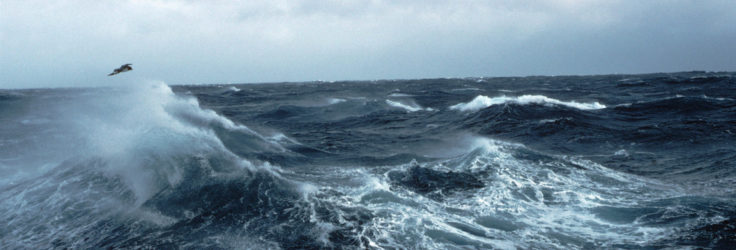
Dr Emily Shuckburgh, British Antarctic Survey’s Deputy Head of Polar Oceans, was among those named in the New Year’s Honours List. She has been awarded an OBE for services to […]
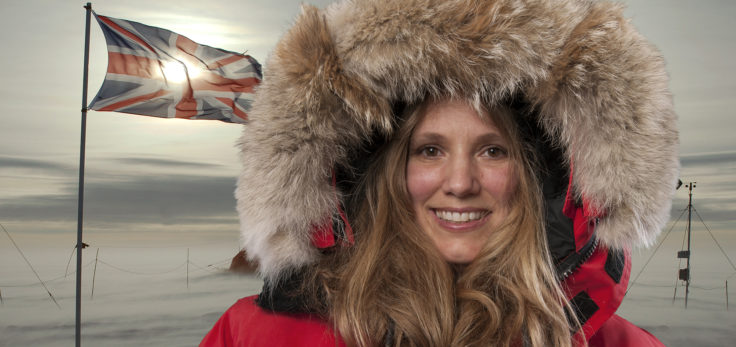
Development of regional models to examine the detailed oceanography of island shelves and surrounding regions.
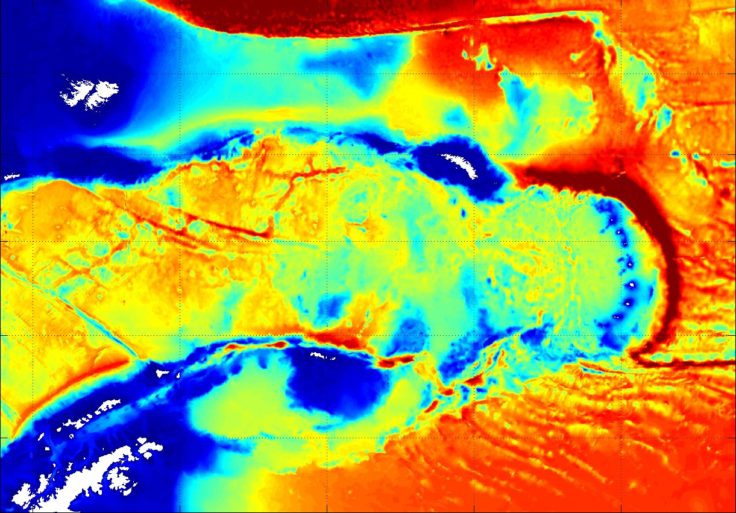
DynOPO investigated the flow of Antarctic Bottom Water through the Orkney Passage, a submarine valley connecting the Atlantic Ocean to the Weddell Sea. The project tested whether winds over the Weddell Sea regulate the volume and temperature of this deep, cold water mass by altering turbulent mixing.
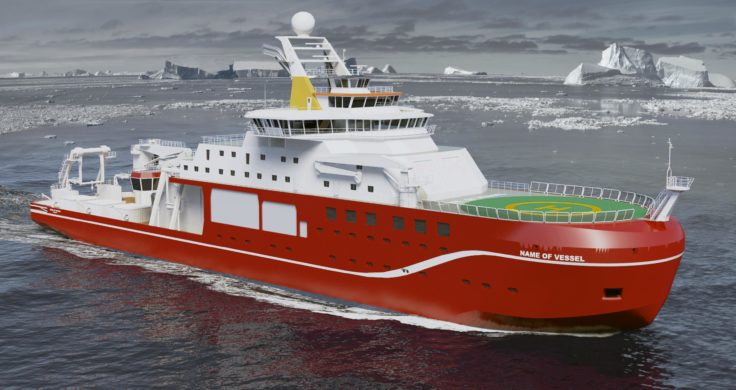
Government announces preferred bidder to build new polar ship Minister of State for Universities and Science, Jo Johnson announced today that the preferred bidder to build a new polar research […]
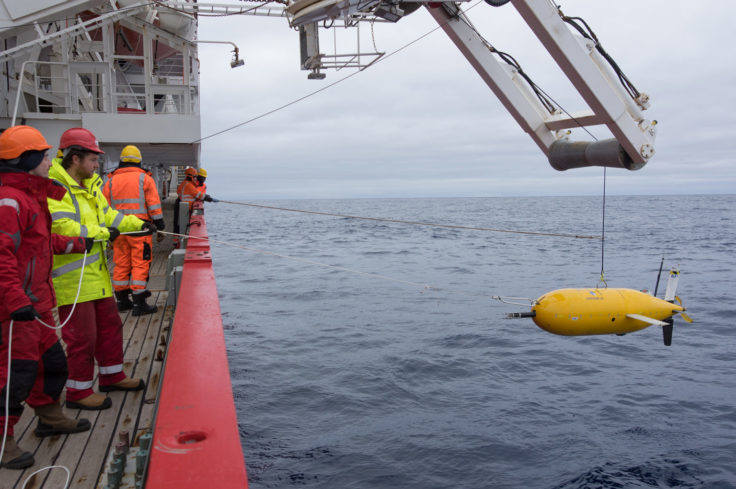
NERC funds PhD training in robotics and autonomous systems