Greenland’s Past, Our Future
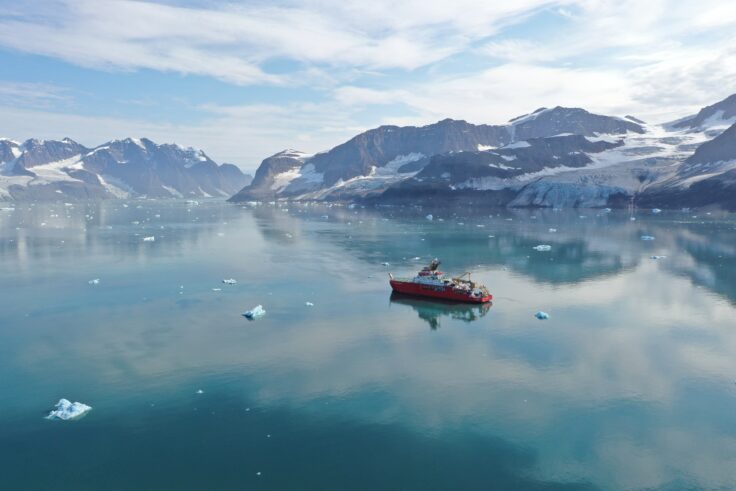
KANG-GLAC studies past and present glacier-ocean changes in southeast Greenland to predict how ice loss will affect ocean circulation, ecosystems and climate.

25 to 36 of 149 results
KANG-GLAC studies past and present glacier-ocean changes in southeast Greenland to predict how ice loss will affect ocean circulation, ecosystems and climate.
A new study highlights how extreme snowfall events significantly alter the amount of ice lost by the West Antarctic Ice Sheet. A team of scientists from British Antarctic Survey, along […]
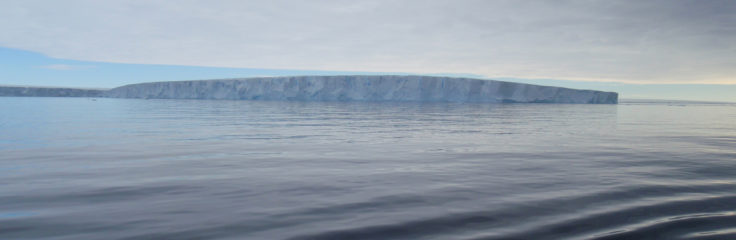
ANTARCTICA – 13 March 2023. British Antarctic Survey (BAS) has released the first aerial pictures of the massive A81 iceberg that calved from the Brunt Ice Shelf in late January. […]
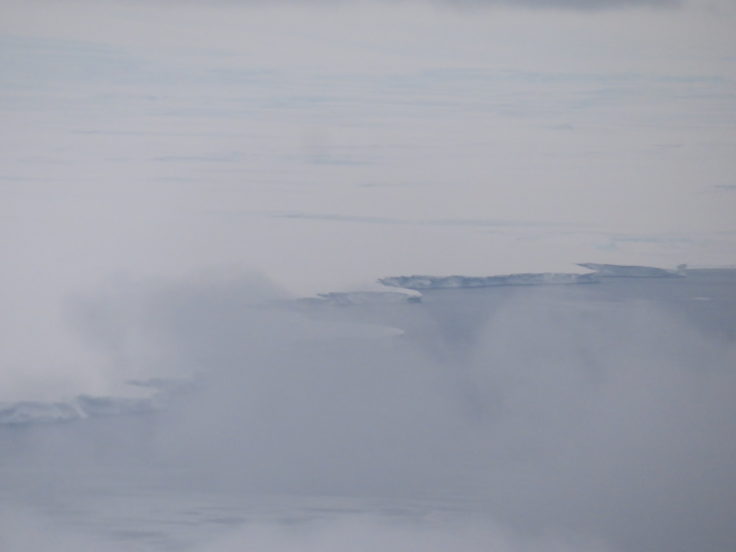
ANTARCTICA – 23 January 2023. A huge iceberg (1550 km²), almost the size of Greater London, has broken off the 150m thick Brunt Ice Shelf. It calved after cracks that […]
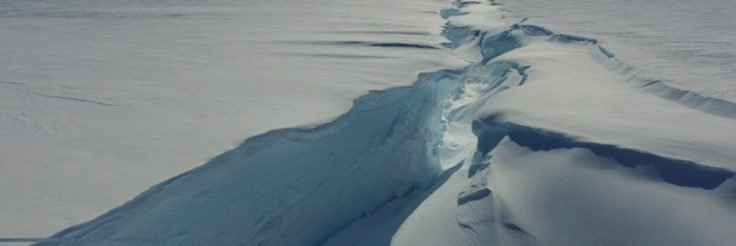
Scientists return to East Antarctica this month (December) to locate the oldest ice on Earth. The team is part of an EU-funded research consortium from 10 European countries whose aim […]
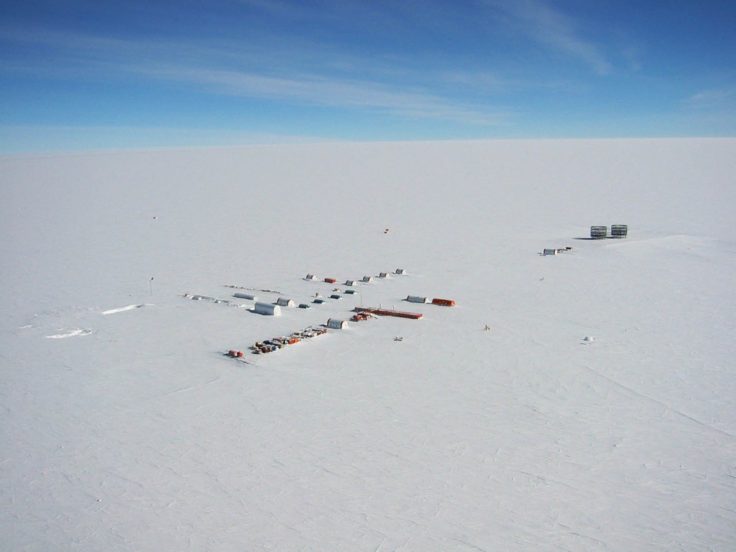
The Big Thaw studies snow and glacier changes in the Alps and Himalayas to improve forecasts of mountain water resources for global communities.
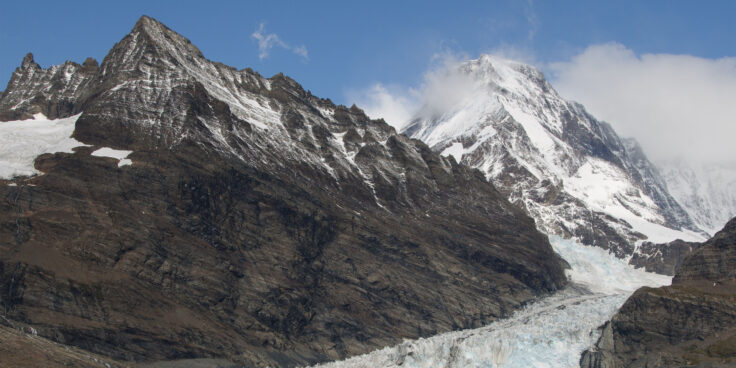
Deep valleys buried under the seafloor of the North Sea record how the ancient ice sheets that used to cover the UK and Europe expelled water to stop themselves from […]
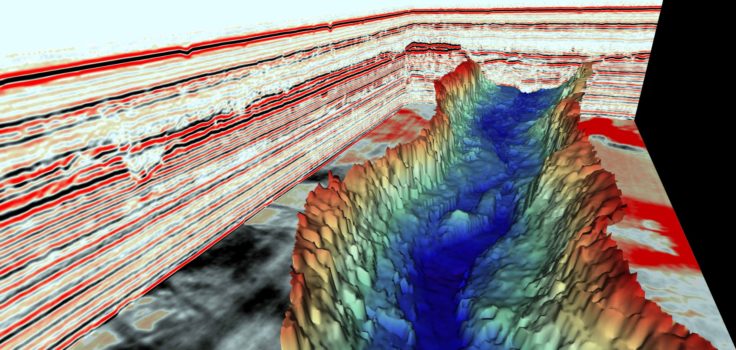
Bedmap is a collaborative community that has produced maps and datasets of Antarctic ice thickness and bed topography
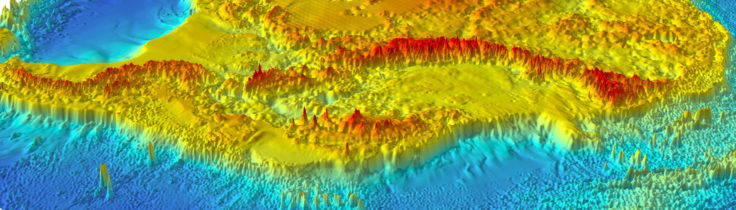
Pine Island Ice Shelf in West Antarctica, which holds back enough ice to raise sea levels by 0.5 metres, could be more vulnerable to complete disintegration than previously thought. A […]
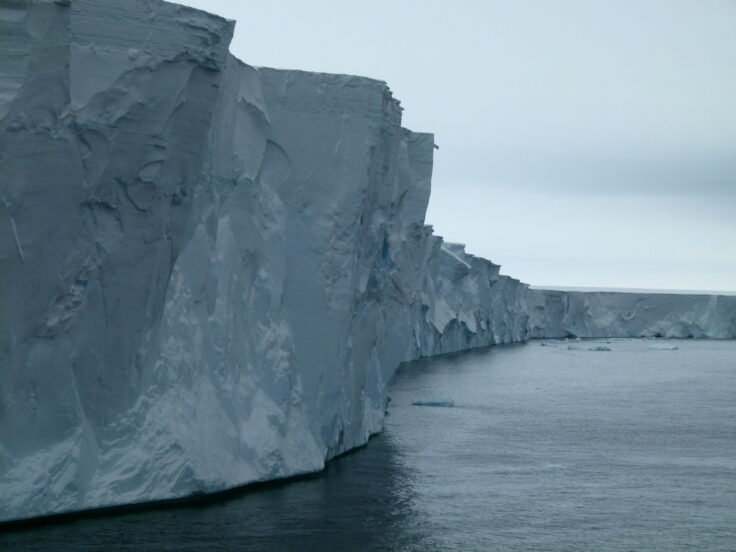
Two crucial glaciers in West Antarctica may be losing ice faster than they have over the last 5,000 years, according to a new study published this month (June 2022).
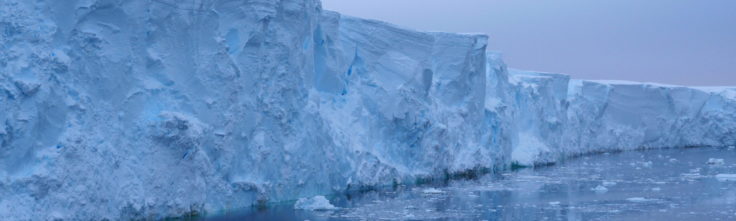
This project is developing digital twins of Antarctic and Arctic environments and resources. A digital twin makes it possible to test “what if” questions far more quickly than traditional computer models.
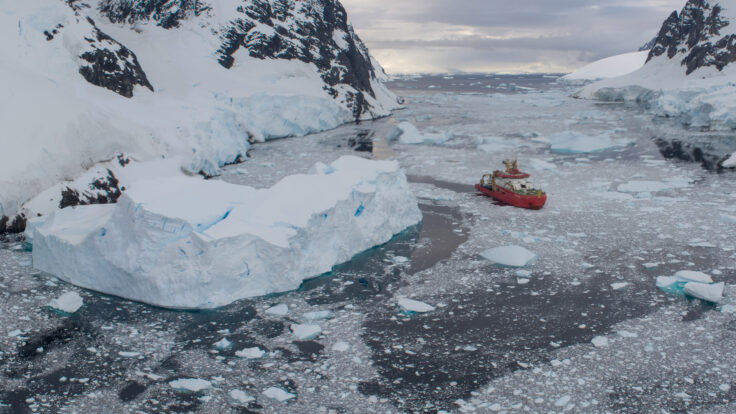
A new study by scientists from British Antarctic Survey (BAS) has used computer modelling to rank the factors responsible for the Larsen C ice shelf melt according to their severity.