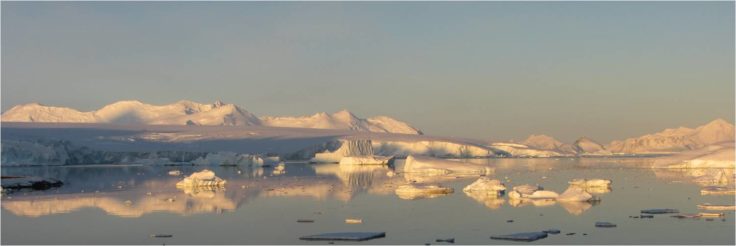
PolarGAP
PolarGAP is an ambitious international mission to capture new and critical data about the Earth’s global gravity field.

109 to 120 of 157 results
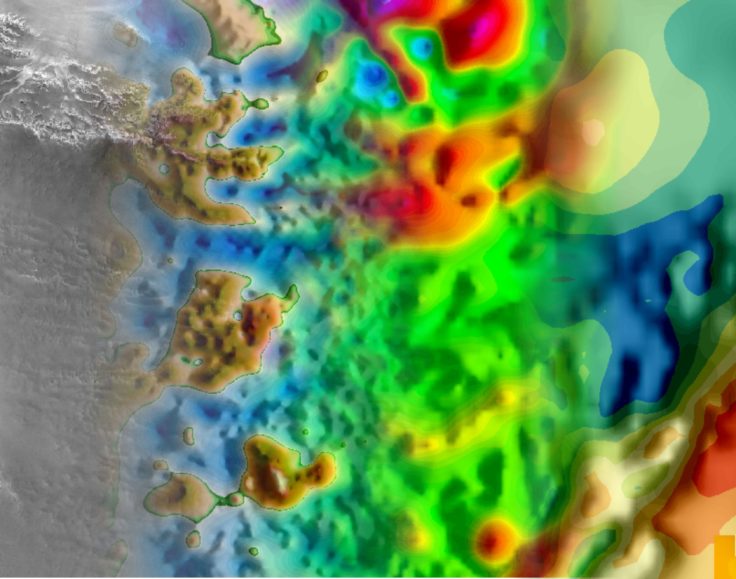
PolarGAP is an ambitious international mission to capture new and critical data about the Earth’s global gravity field.
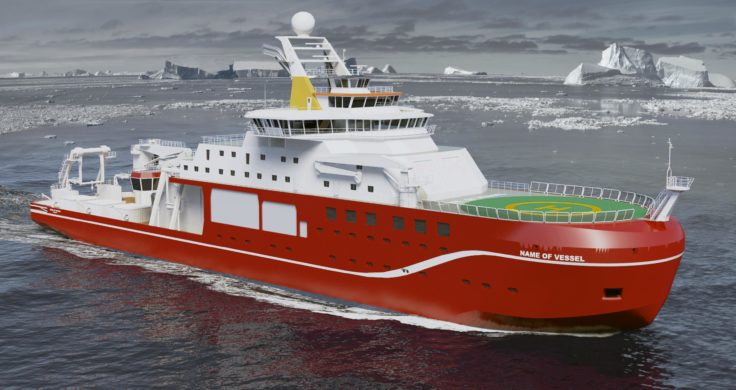
Government announces preferred bidder to build new polar ship Minister of State for Universities and Science, Jo Johnson announced today that the preferred bidder to build a new polar research […]
Ice layers Radio waves can be transmitted down through an ice sheet, ice stream or glacier and are reflected off the internal layers in the ice as well as off […]

Volcanic ash Ice cores are cylinders of ice (approximately 10cm wide) drilled out of an ice sheet or glacier. On the East Antarctic Ice Sheet, these can be up to […]
Most comprehensive ice loss model A new international study is the first to use a high-resolution, large-scale computer model to estimate how much ice the West Antarctic Ice Sheet could […]
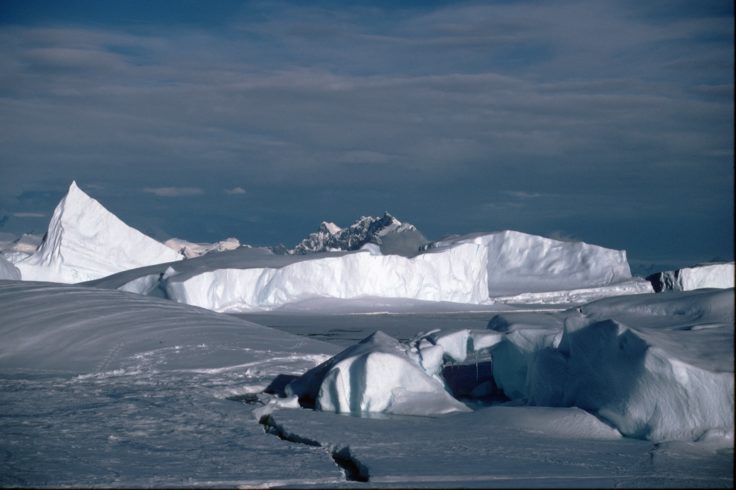
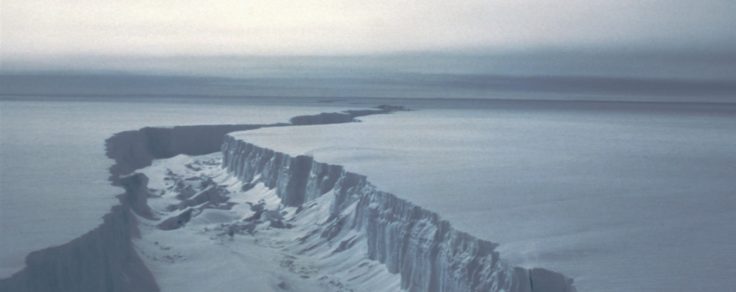
In February 2002, satellite images from a remote location in Antarctica revealed how an immense volume of floating ice, up to 1km thick, suddenly collapsed. Over the course of a […]
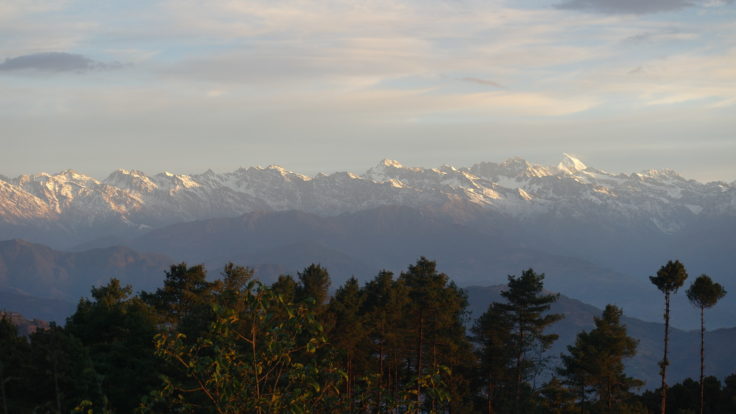
Bedmap Himalayas measures how much water is stored as glacier ice in High Mountain Asia by mapping ice thickness using radar.
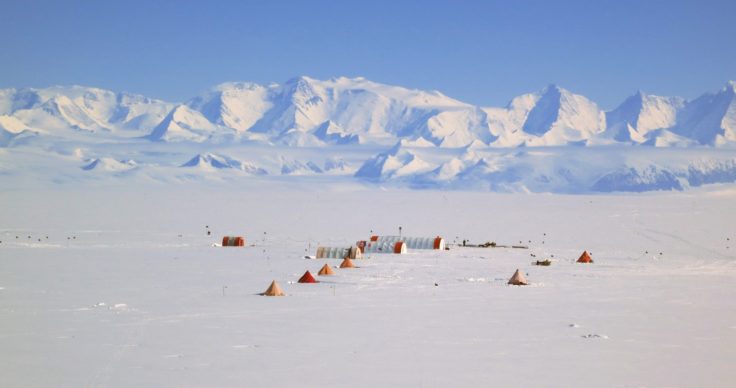
Studying ice response during past climate changes improves understanding of Antarctic ice sheet dynamics. This knowledge helps predict how ice sheets may behave under future warming scenarios.
By exploiting advances in ice sheet modelling, and new Antarctic-wide datasets, this project aims to predict how far and how fast the observed ocean-driven thinning of floating ice shelves will propagate into the interior of the Antarctic ice sheet, and assess the consequences for global sea level over decadal-to-centennial timescales.
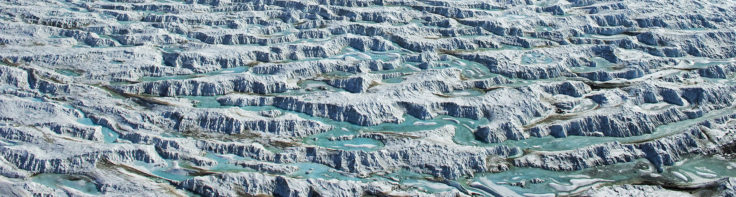
The ice sheet modelling group integrates observational data with dynamical models to improve our representation of how the ice flows beneath the surface, and to reveal how the shape and flow of the Antarctic ice sheet has changed in the past.
This project used ice cores drilled across the Antarctic Peninsula and West Antarctica to reconstruct past climate and understand whether the recent warming in these rapidly changing regions is unusual over longer timescales..
This project studies the last Interglacial (129-116 thousand years ago, ka) when CO2 and global temperature were both higher than they were before human industrialisation. By examining Last Interglacial climate, we can gain insights into climate processes and feedbacks close to those expected by the end of the 21st century.