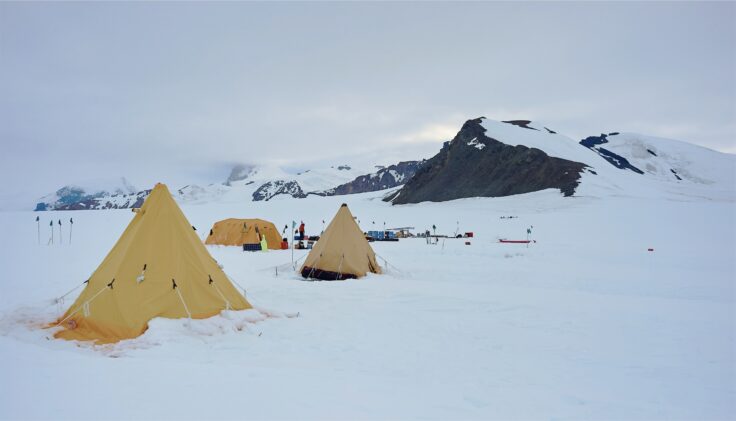
World’s largest iceberg grounds near sub-Antarctic Island of South Georgia
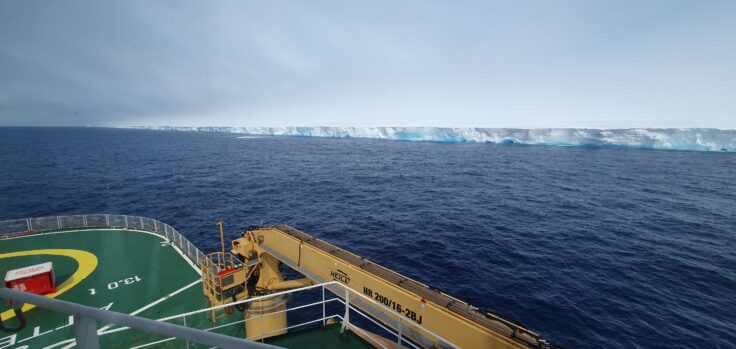
The world’s largest and oldest iceberg A23a has finally come to a standstill as it appears to have run aground near the sub-Antarctic Island of South Georgia.

13 to 24 of 157 results
The world’s largest and oldest iceberg A23a has finally come to a standstill as it appears to have run aground near the sub-Antarctic Island of South Georgia.
GIANT is a pioneering science project that will test the potential for early warning of a critical climate tipping point.
The Beyond EPICA-Oldest Ice project has successfully drilled a 2800-metre-long ice core consisting of ice which is over 1.2 million years old.
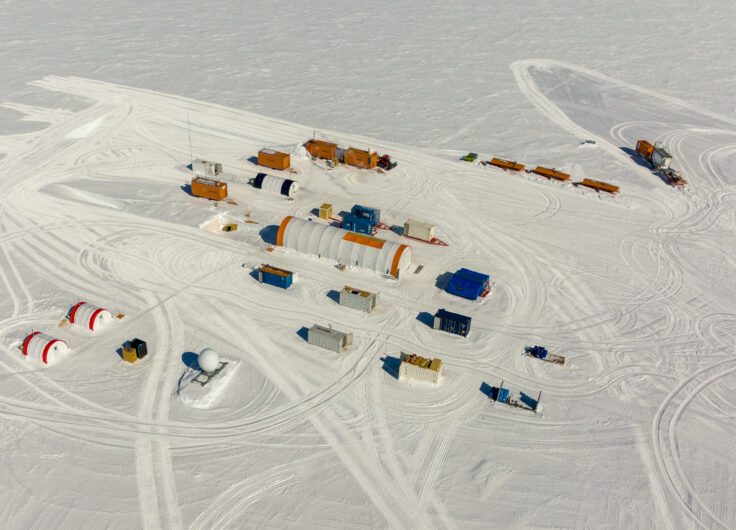
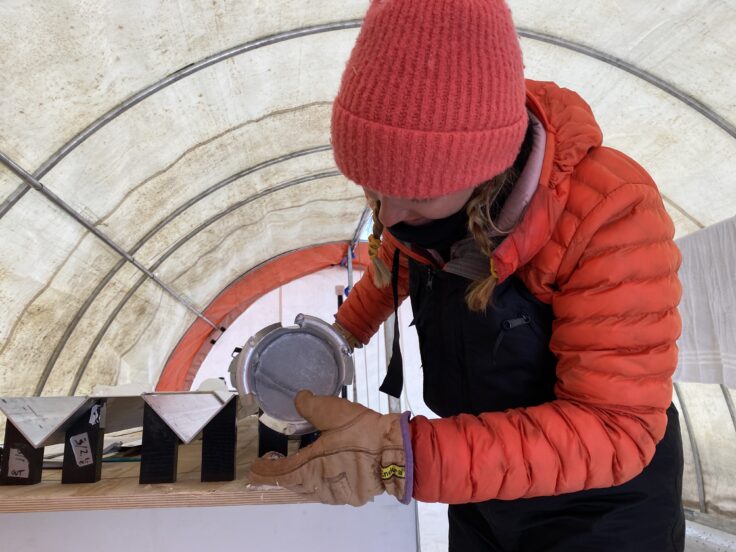
Over 30 researchers from international institutes are working on ice core drilling campaigns in Antarctica to probe the ice sheet’s behaviour, carbon cycling in the Southern Ocean, and the Earth’s climate history.
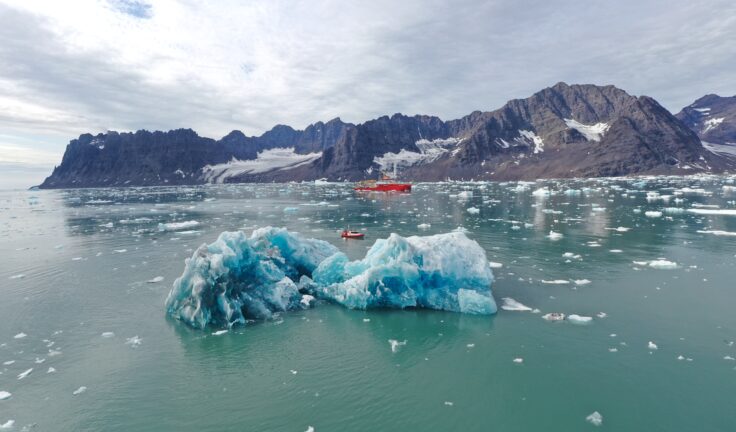
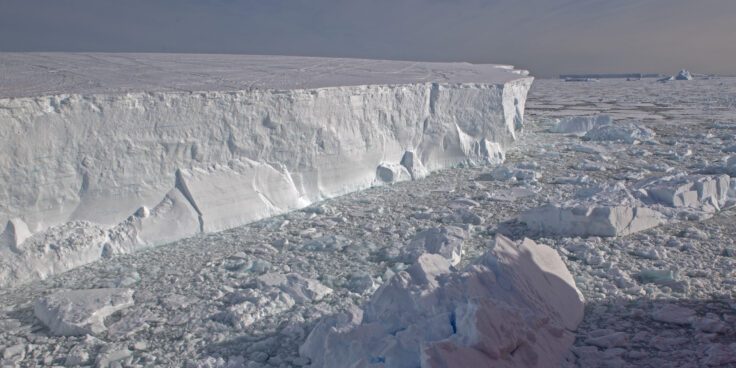
POLOMINTS investigates how glacier calving triggers internal tsunamis, reshaping polar ocean mixing and influencing climate, ecosystems, and carbon cycling.
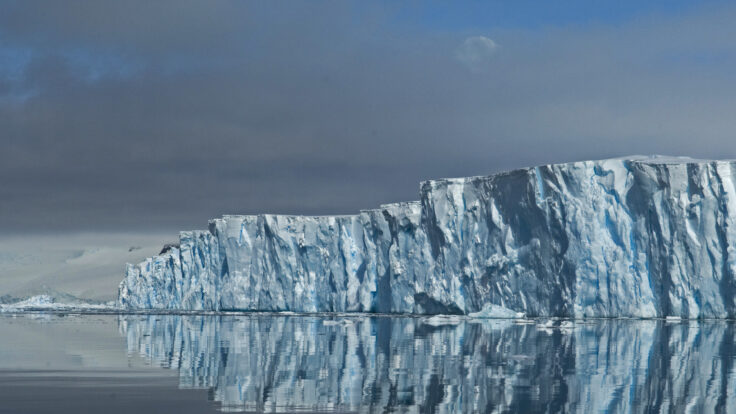
New science briefing summarises results of the ambitious international collaboration to study Antarctica’s most worrying glacier
British Antarctic Survey, in partnership with the University of Cambridge, will be at the 2024 Royal Society Summer Science Exhibition, showcasing how, using Antarctic ice cores to unlock the past, we can understand more about the future of our planet in a changing climate.

Scientists have discovered a landscape of rocky hills and smooth plains beneath the remote Thwaites Glacier in West Antarctica.
Small bubbles of air from ice in Antarctica resolve a long-standing debate about why there was a decline in atmospheric carbon dioxide (CO2) during the 16th and 17th centuries.
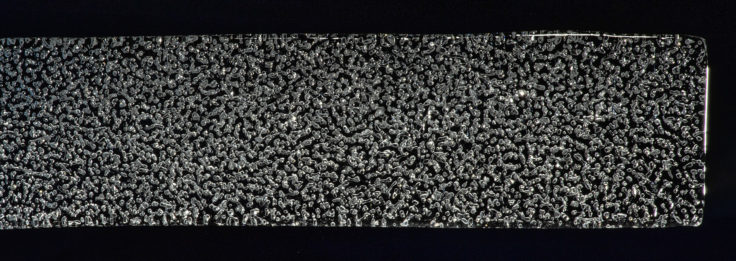
The first direct evidence that the West Antarctic Ice Sheet shrank suddenly and dramatically at the end of the Last Ice Age, around eight thousand years ago, is published in a new study this week.
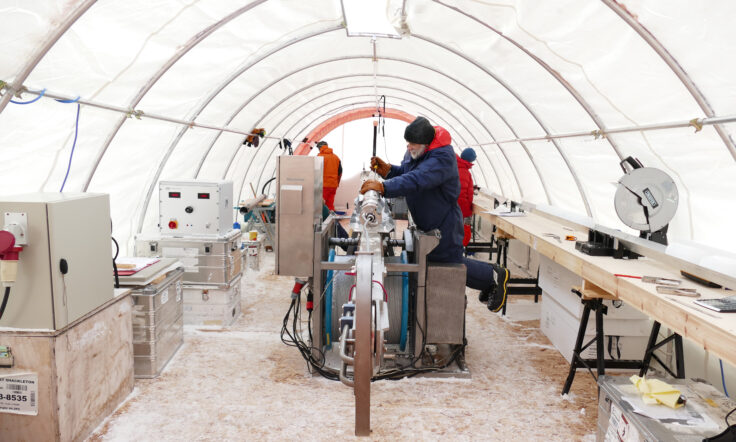
A team of scientists from the British Antarctic Survey (BAS) is gearing up for an expedition to the Brunt Ice Shelf in Antarctica to unravel the mysteries behind the calving processes that result in the formation of colossal icebergs.
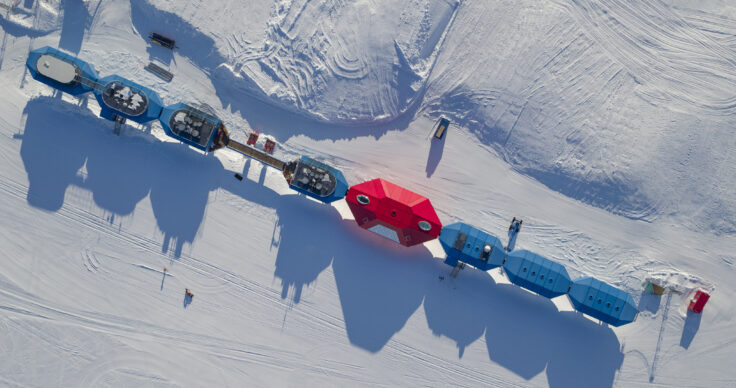
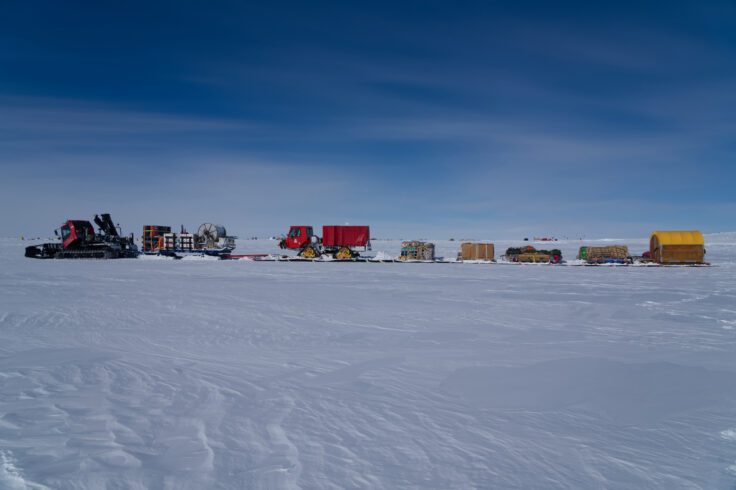
Thirty seven scientists and over 24 support staff are arriving in Antarctica to work on Thwaites Glacier.