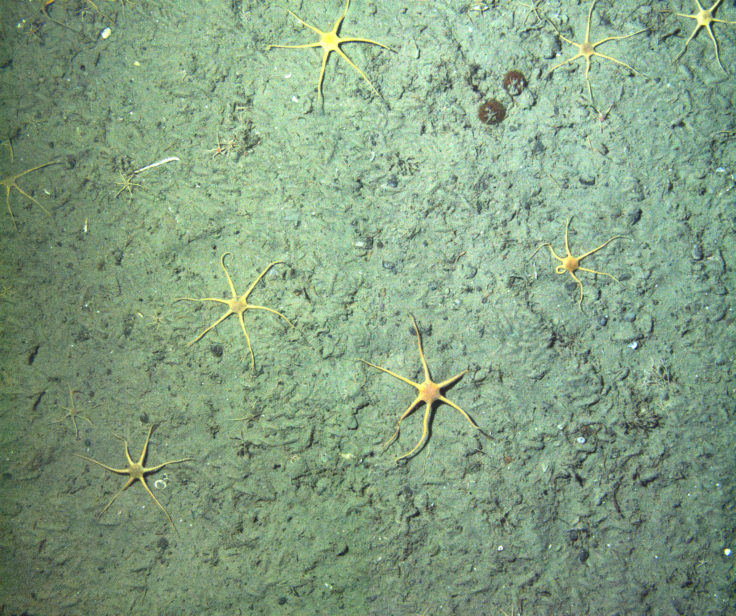
Subantarctic seabed creatures and past climate
A new marine biodiversity study in one of the largest Marine Protected Areas in the world reveals the impact of environmental change on subantarctic seabed animals and answers big questions […]

193 to 204 of 258 results
A new marine biodiversity study in one of the largest Marine Protected Areas in the world reveals the impact of environmental change on subantarctic seabed animals and answers big questions […]
A review of breeding distributions, population trends, threats and key priorities for conservation actions on land and at sea for the 29 species covered by the Agreement on the Conservation […]
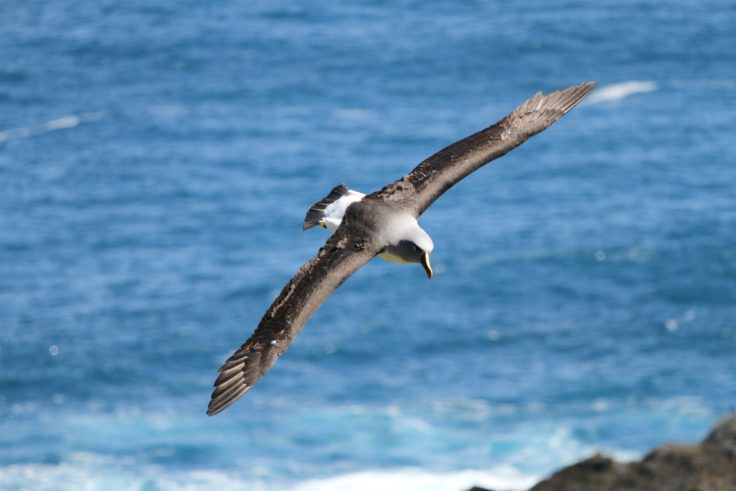
A new study of the movements of sub-Antarctic albatrosses tracked from two remote islands some 5,000 km apart, shows that although the birds from each breeding site take similar routes around the Southern Ocean, they forage in different areas for the majority of the time. The results are published this month in the Nature journal Scientific Reports.
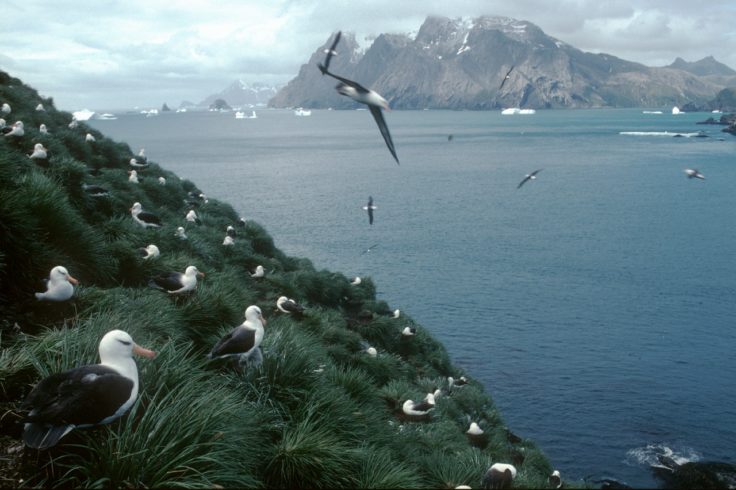
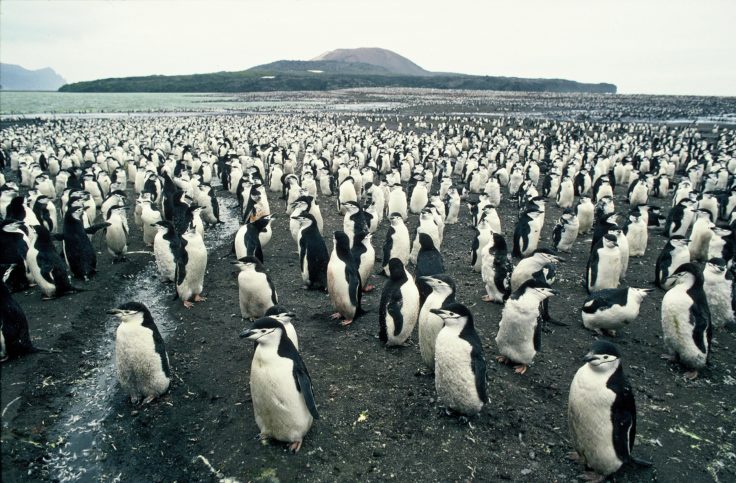
A volcano erupting on a small island in the Sub Antarctic is depositing ash over one of the world’s largest penguin colonies.
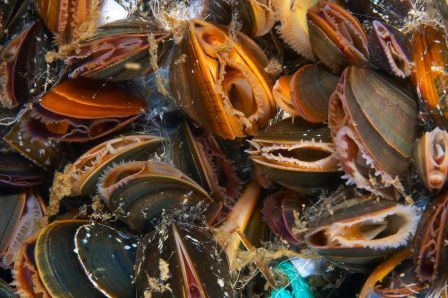
New technologies and techniques used in a scientific study of the shells of oysters, mussels, clams and scallops reveal clues about how these commercially valuable species may fare in a changing world, and how discarded shells from the aquaculture industry could benefit the environment.
The key objective is to identify and implement management techniques which will as far as possible be sympathetic to wildlife and encourage native species, in order to sustain and enhance biodiversity at BAS Cambridge.

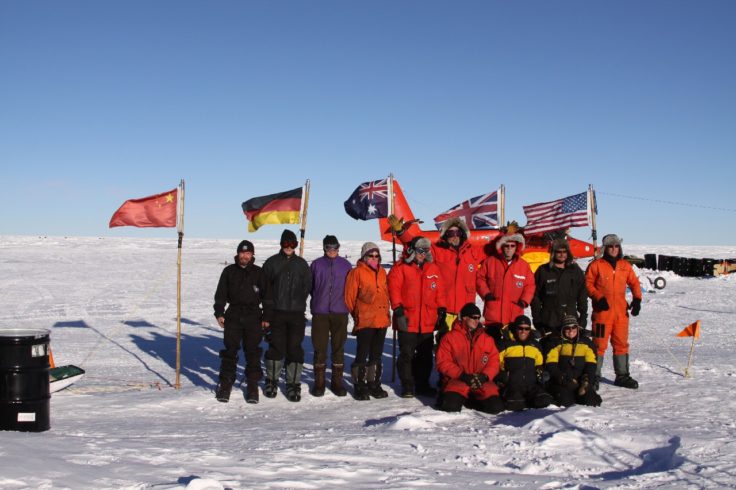
International declaration marks the 25th anniversary of the signing of the 1991 Protocol on Environmental Protection to the Antarctic Treaty
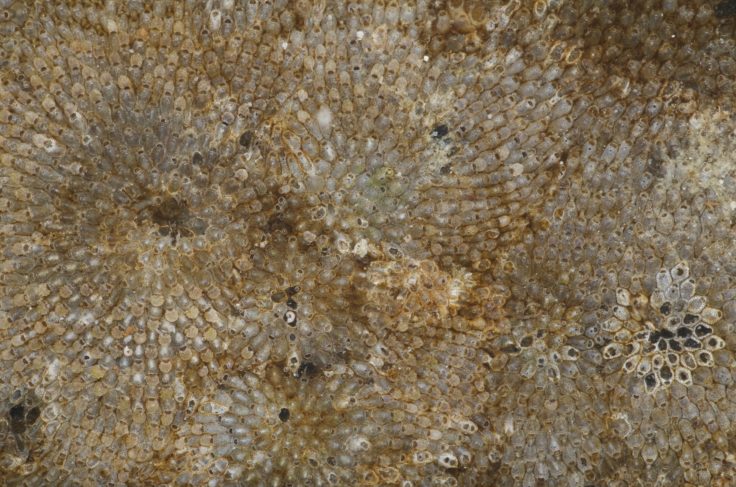
New research highlights differences between the tropics and the poles Rivalry between species is common the world over as animals fight for territory and resources such as food. But, according […]
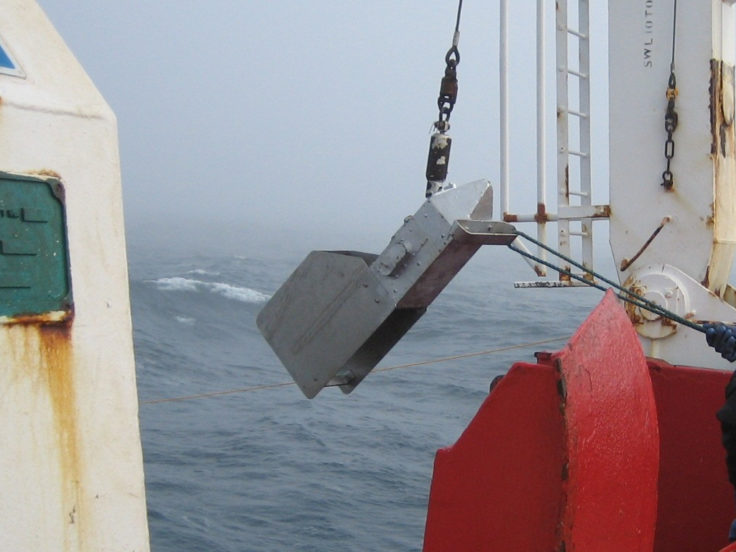
Continuous Plankton Recorder collected long-term data on plankton in the Southern Ocean which sit at the base of the food chain and are very sensitive to change.
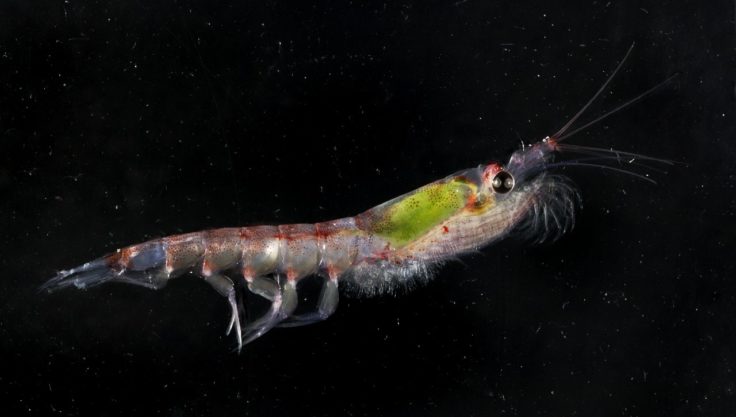
The aim of this project is to understand the biological and physical factors that produce the very large swarms of krill, or “krill hotspots” that are found in the South Orkneys region.
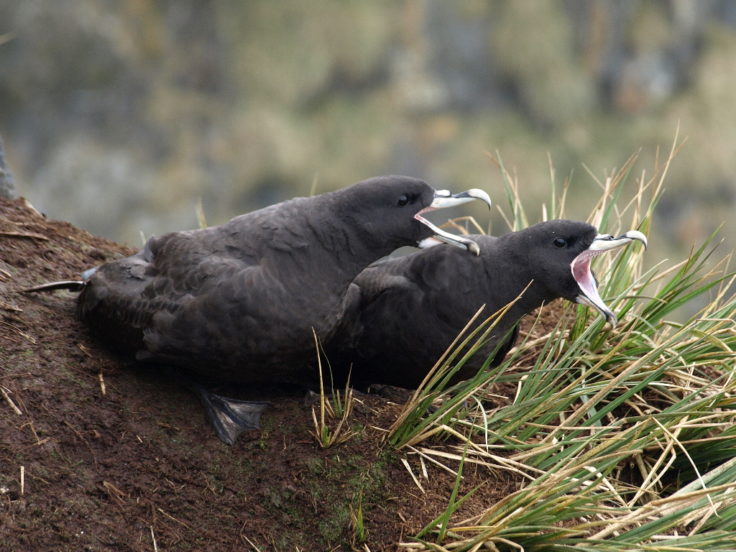
13 satellite tags were attached to white-chinned petrel chicks prior to their departure from Bird Island. The birds were tracked in near real-time using the Argos system.
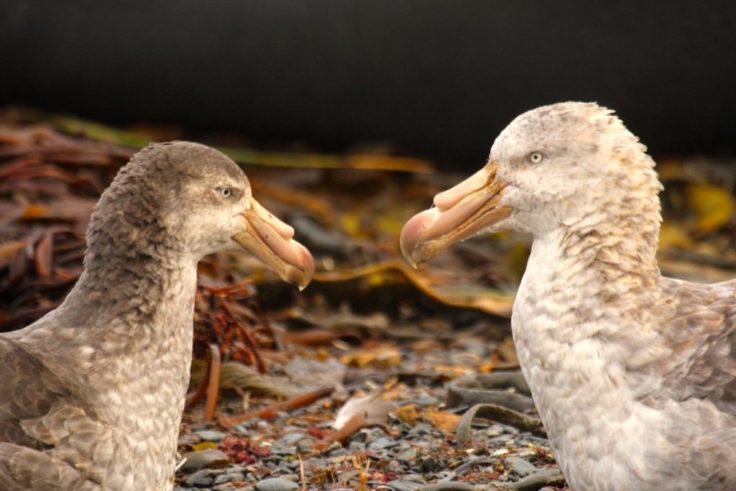
New research shows decline in population and breeding success of Antarctic seabird A fifty year study of the charismatic seabird, the southern giant petrel, on the Antarctic island of Signy […]