White-chinned Petrel Tracking
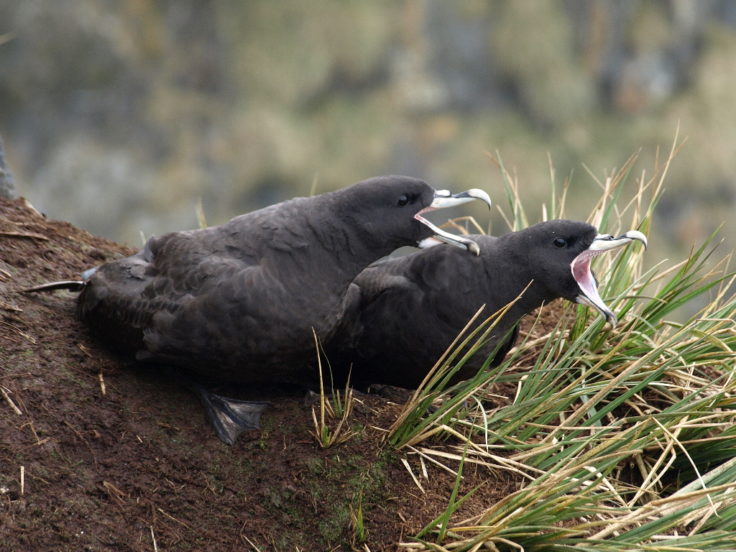
13 satellite tags were attached to white-chinned petrel chicks prior to their departure from Bird Island. The birds were tracked in near real-time using the Argos system.
205 to 216 of 260 results
13 satellite tags were attached to white-chinned petrel chicks prior to their departure from Bird Island. The birds were tracked in near real-time using the Argos system.
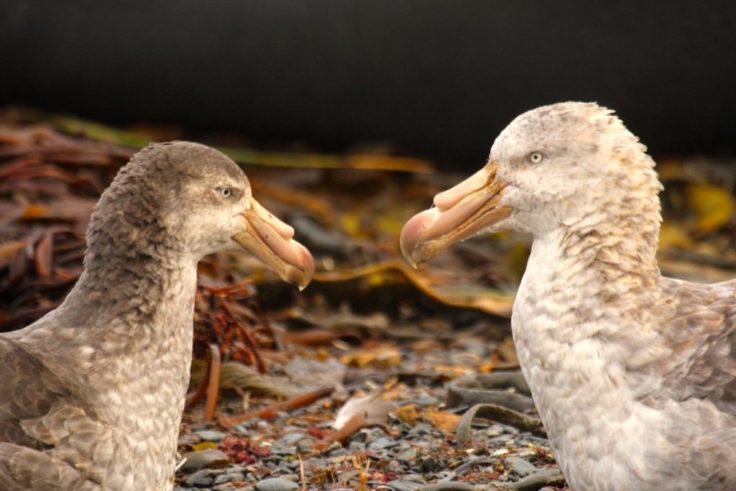
New research shows decline in population and breeding success of Antarctic seabird A fifty year study of the charismatic seabird, the southern giant petrel, on the Antarctic island of Signy […]
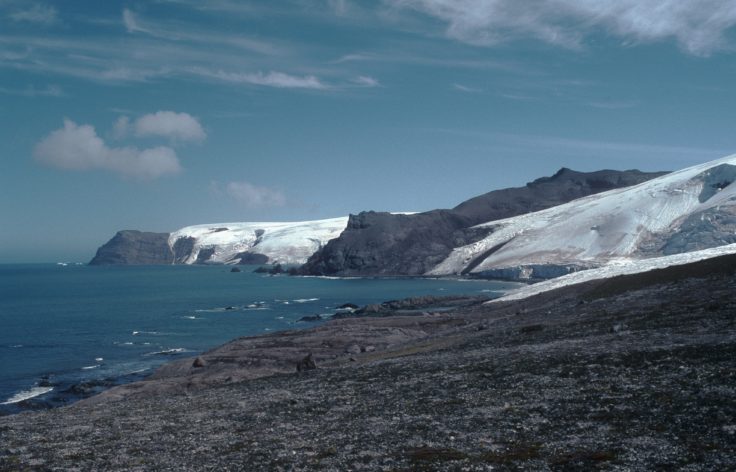
A new study by an international team of scientists, including from British Antarctic Survey (BAS), has analysed the effects on seabed communities of glacial retreat. Writing in Science Advances this […]
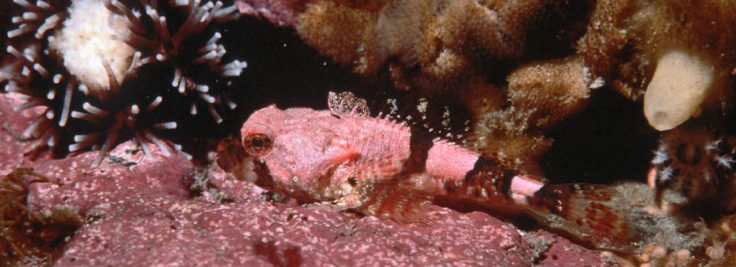
Reproductive capacity and success of marine animals
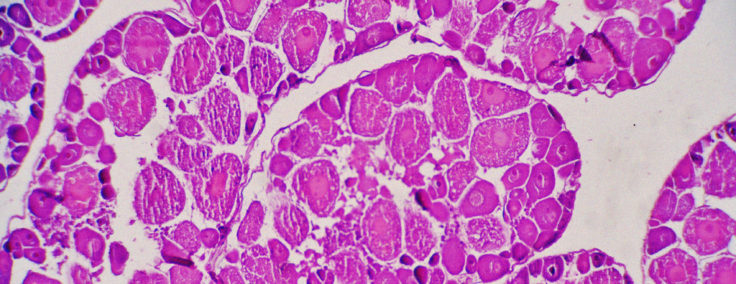
Dynamic Live Cell Imaging investigated how Antarctic marine organisms, particularly fish, function at temperatures below 0°C
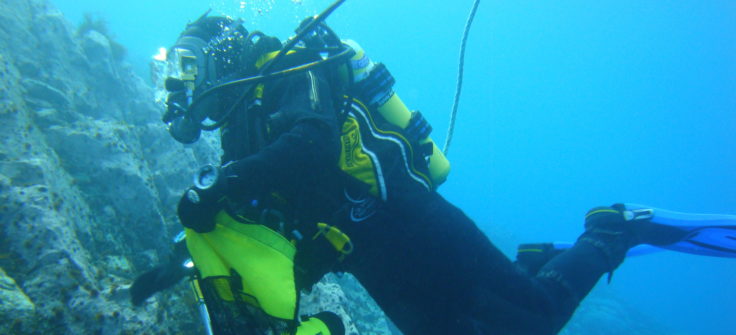
Baseline study to monitor how marine biodiversity will respond to climate change
Antarctic seabird community structure remains unaffected by changes in food availability A new study of sub-Antarctic seabirds shows that their community structure (how they co-exist and share resources) is unaffected […]
Warmer temperatures stimulate diversity of soil fungi Remote and covered by ice for much of the year the Antarctic Peninsula is home to hidden and dynamic communities of microbes that […]
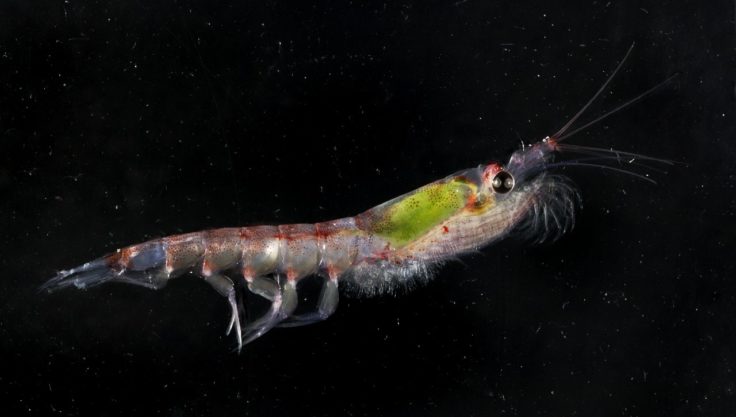
BAS scientists awarded grant to study penguins’ reliance on krill Norwegian and British scientists are to take part in a research project to determine how dependant non-breeding penguins are on […]
The southern sea lion population of the Falkland Islands witnessed a dramatic decline during the last century with numbers falling by 95 per cent between the 1930s and 1960s. It […]
SO-AntEco was a British Antarctic Survey (BAS) led expedition undertaken in conjunction with an international team of scientists from the Scientific Committee for Antarctic Research (SCAR) AntEco research programme.
Bird tracking technology reveals future climate may affect seabird feeding behaviour A two year study of shags on the Isle of May National Nature Reserve in Scotland reveals that when […]