Marine snails know how to budget their housing costs
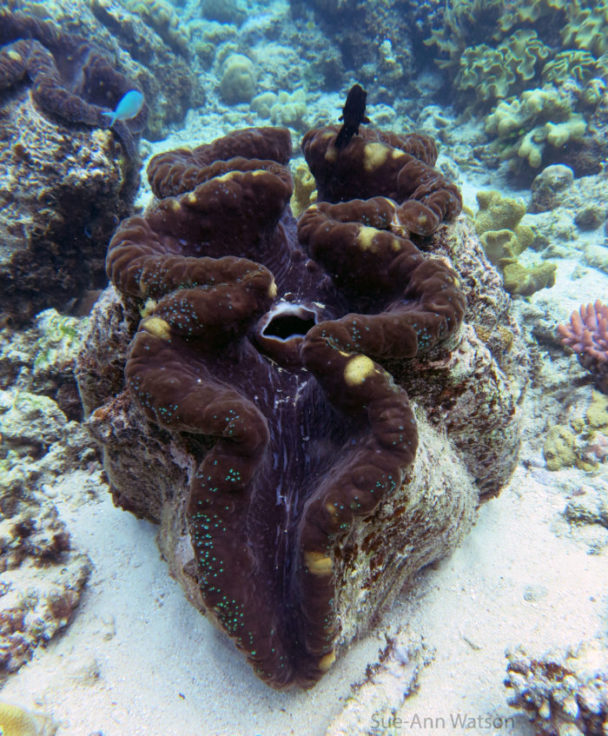
For nearly 50 years, researchers have been stumped as to why sea shells from warm tropical waters are comparatively larger than their cold water relatives. New research, led by the […]
169 to 180 of 261 results
For nearly 50 years, researchers have been stumped as to why sea shells from warm tropical waters are comparatively larger than their cold water relatives. New research, led by the […]
Today the royal research ship RRS Discovery will depart Southampton for an ambitious science expedition to the ocean around South Georgia. This expedition will take place almost 100 years after […]
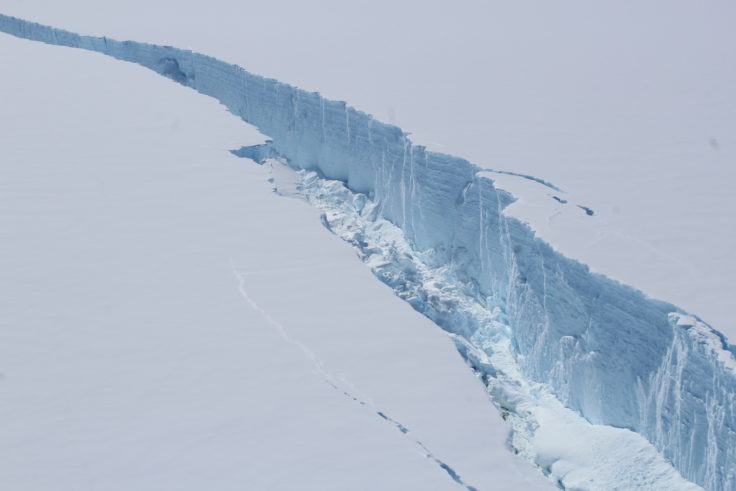
An international agreement is now in place to give special protection to the area of ocean left exposed when one of the largest icebergs ever recorded broke free from the […]
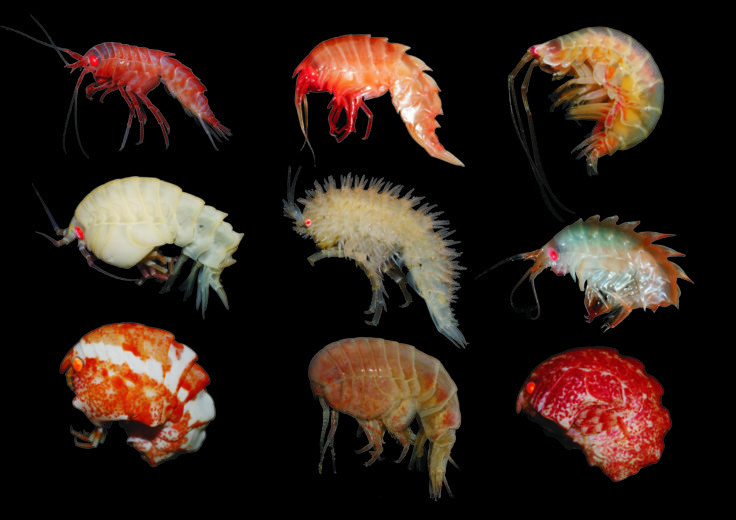
A new study of the marine invertebrates living in the seas around Antarctica reveals there will be more ‘losers’ than ‘winners’ over the next century as the Antarctic seafloor warms. […]
A team of scientists has discovered that a 1°C rise in local sea temperature has massive impacts on an Antarctic marine community. These new results are published this week (31 […]
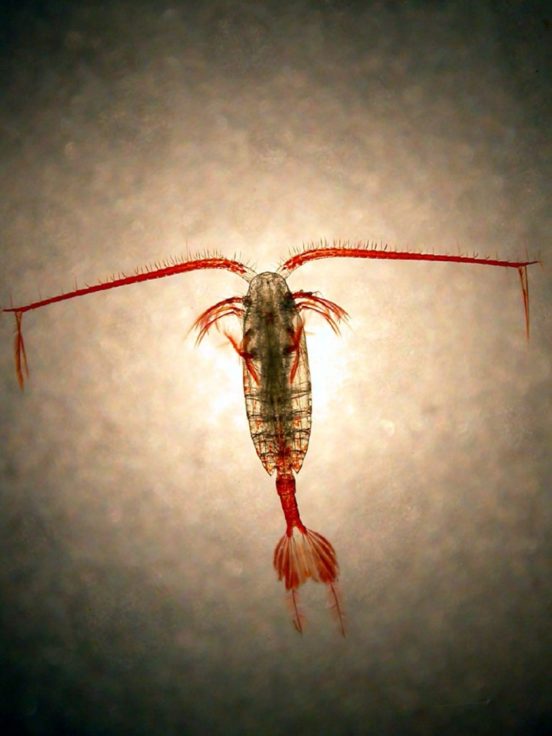
Temperature plays an important role in the distribution of ocean plankton communities and has the potential to cause major distribution shifts, as recently observed in the Arctic. A new study […]
SCOOBIES makes long-term observations of key Earth system indicators in the Southern Ocean. These observations are vital for both UK and global science.
A new study on mosses found in the polar regions reveals when and how often they have migrated across the Equator. Mosses are the dominant flora in Antarctica, yet little is known of […]
Many populations of wildlife are remote, inaccessible or difficult to monitor. The advent of sub-metre, Very-High-Resolution (VHR) satellite imagery has enabled us study these animals in a much more efficient way.
Ice-free areas in Antarctica could expand by close to 25 per cent by 2100 and drastically change the biodiversity of the continent, research published this week in Nature has shown. […]
In this collaboration with the Natural History Museum (NHM) and the University of Liverpool, we have developed novel methods for using existing data to contribute to marine conservation and fisheries […]
This project investigated whether Mortierella, a cold-tolerant Antarctic soil fungus, could replace banned chemical pesticides in controlling weevil larvae that damage UK soft fruit and forestry crops.