Rocks beneath Antarctic Ice Sheet reveal surprising past
The West Antarctic Ice Sheet is shrinking, with many glaciers across the region retreating and melting at an alarming rate. However, this was not always the case according to new […]

49 to 60 of 227 results
The West Antarctic Ice Sheet is shrinking, with many glaciers across the region retreating and melting at an alarming rate. However, this was not always the case according to new […]
Climate, biodiversity, and societal challenges are intrinsically linked and yet are usually viewed in isolation. A new review study, published in the journal Science this week (21st April 2023), focusses […]
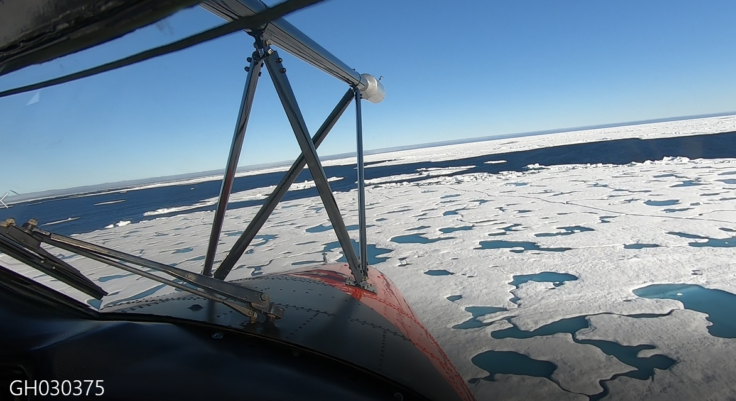
The overarching goal of the project is to determine the role of sea-ice surface properties in Arctic cyclone dynamics and to characterise the interaction of Arctic cyclones with the summer-time Arctic environment.
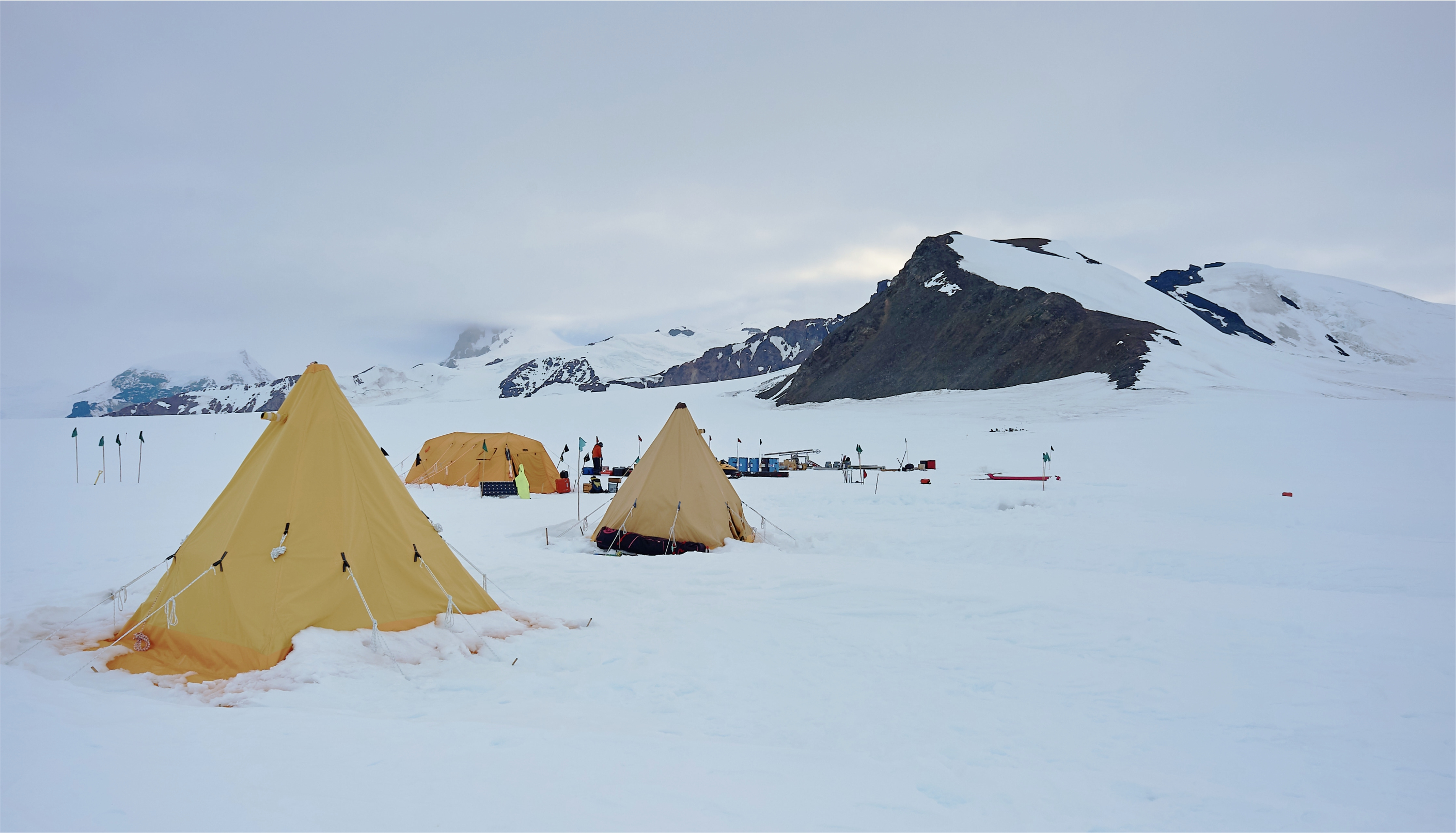
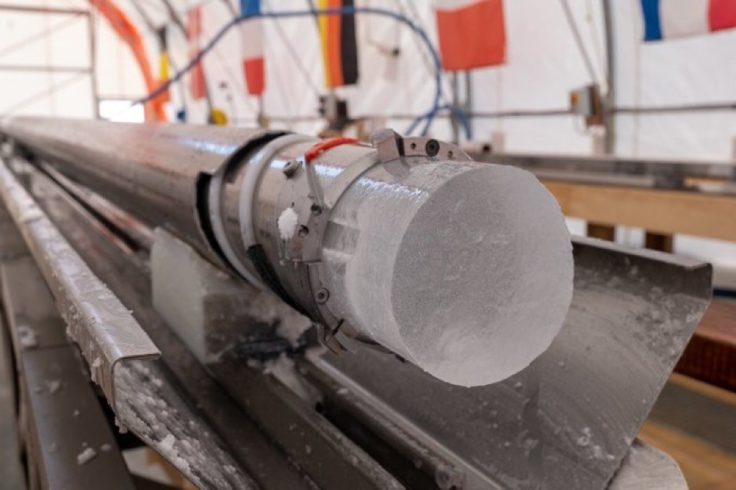
Scientists in East Antarctica drilling to find the Earth’s oldest ice have reached a key milestone after two months of fieldwork in sub-zero temperatures. The team is part of Beyond […]
Researchers at British Antarctic Survey (BAS) will develop new and ambitious ideas to tackle critical global environmental challenges, such as global sea-level rise from Antarctica, thanks to new funding. The […]
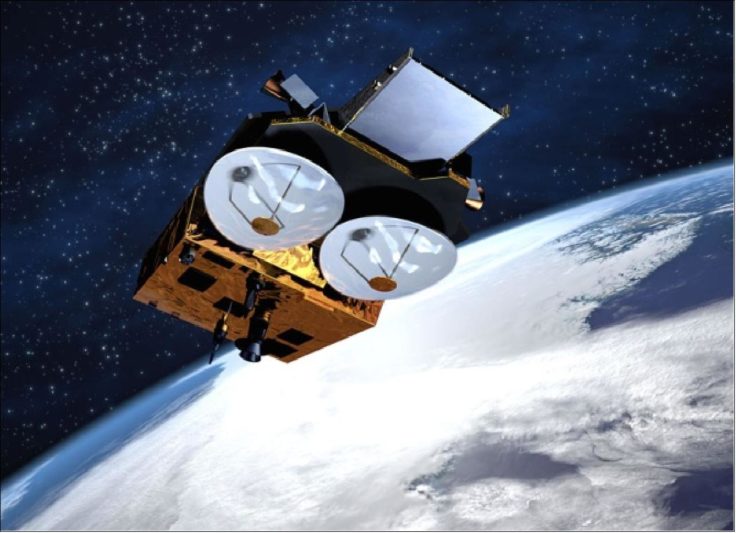
An ambitious flying campaign out of British Antarctic Survey’s Rothera Research Station over the Weddell Sea this month (December) aims to calibrate the data collected from two important satellites that […]
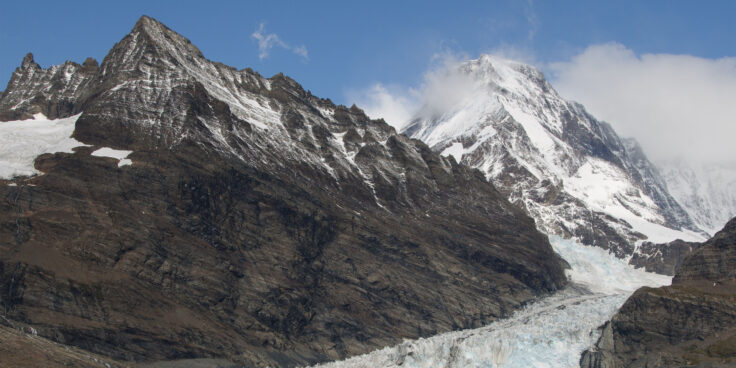
The Big Thaw studies snow and glacier changes in the Alps and Himalayas to improve forecasts of mountain water resources for global communities.
Artificial Intelligence (AI) will enable ships navigating in polar ocean conditions to be more efficient using a new route planning tool created by British Antarctic Survey (BAS) researchers. The tool […]

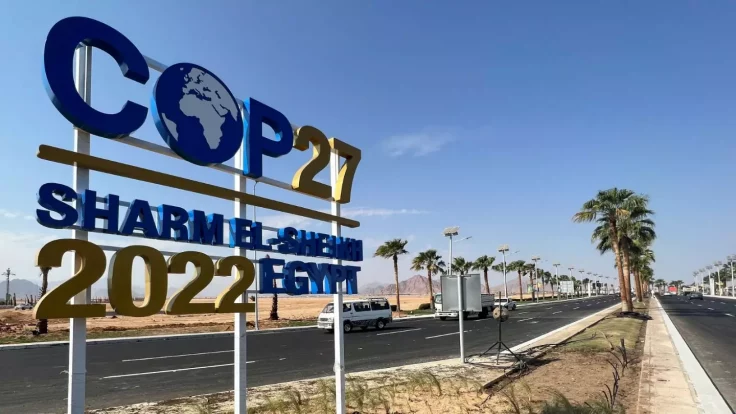
British Antarctic Survey (BAS) scientists will participate in the 27th session of the United National Framework Convention on Climate Change Conference of Parties (COP27), hosted by the Arab Republic of […]
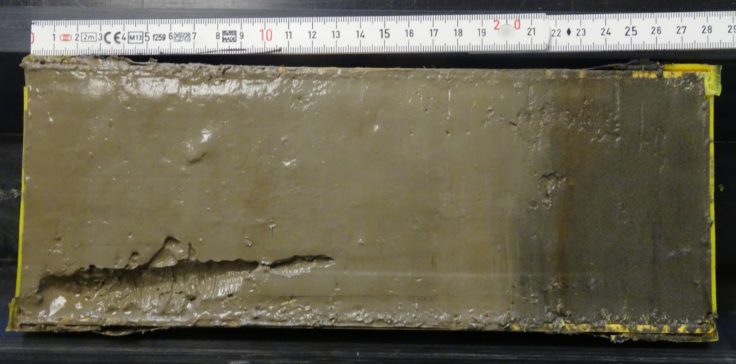
Scientists have discovered one million year old marine DNA in deep-sea sediments of the Scotia Sea, north of the Antarctic continent. This is the oldest DNA recovered of this kind […]
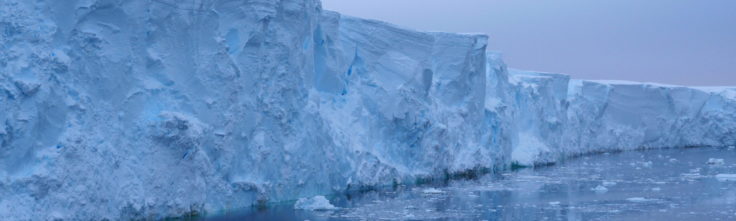
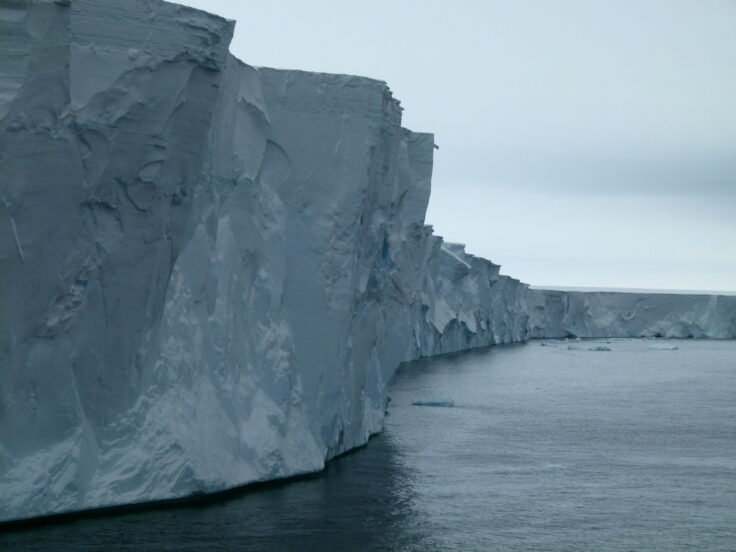
Pine Island Ice Shelf in West Antarctica, which holds back enough ice to raise sea levels by 0.5 metres, could be more vulnerable to complete disintegration than previously thought. A […]
Scientists are flying research aircraft through the heart of Arctic storms this summer to better understand how weather systems are affecting polar sea ice. Arctic cyclones are the main type […]