DNA reveals unique microorganisms evolved at poles
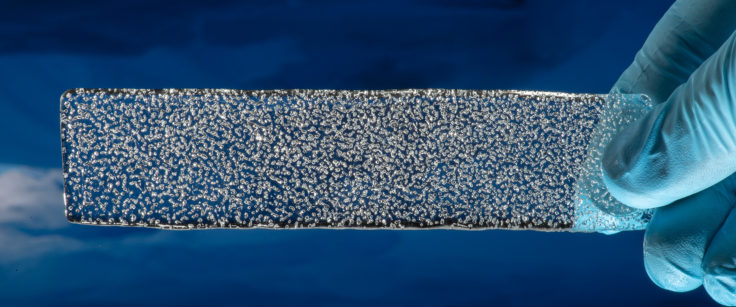
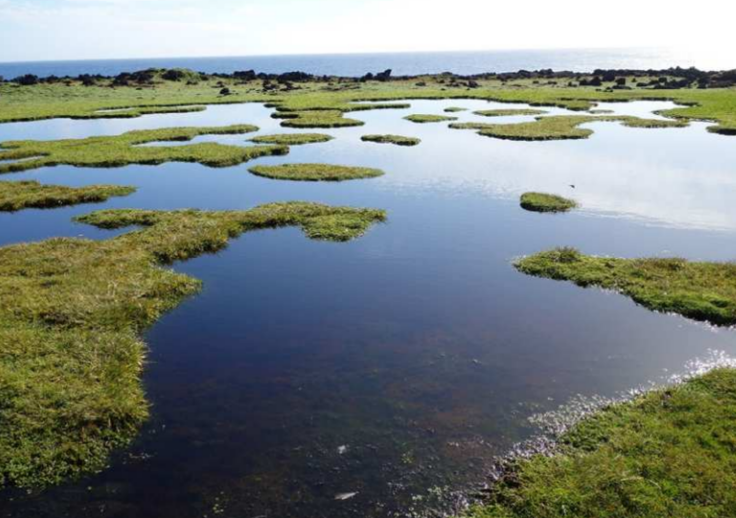
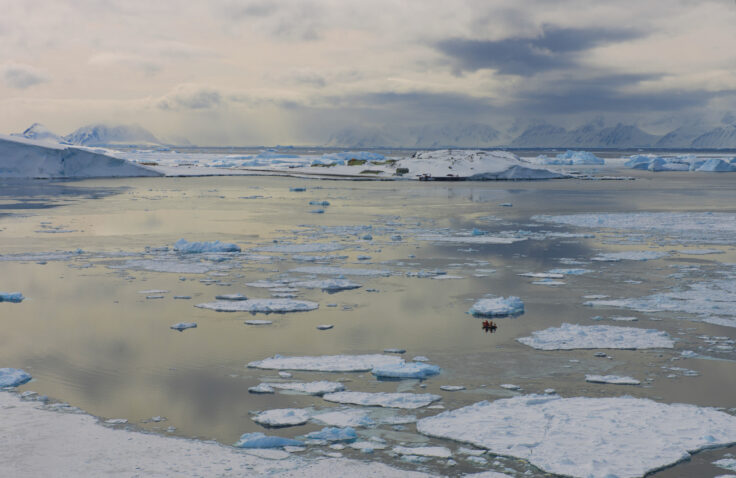
Communities of microorganisms at the bottom of polar lakes evolved independently from other regions, influenced by the particular geological, biological and climate history of their regions.
37 to 48 of 225 results
Communities of microorganisms at the bottom of polar lakes evolved independently from other regions, influenced by the particular geological, biological and climate history of their regions.
Scientists at British Antarctic Survey have found that the number of warm weather events in the South Orkney Islands have significantly increased in frequency over the last 75 years.
Congratulations to British Antarctic Survey (BAS) staff who have been awarded a Polar Medal in the 2024 New Year’s Honours List for their contributions to improving our understanding of Antarctica and enduring harsh Antarctic conditions.
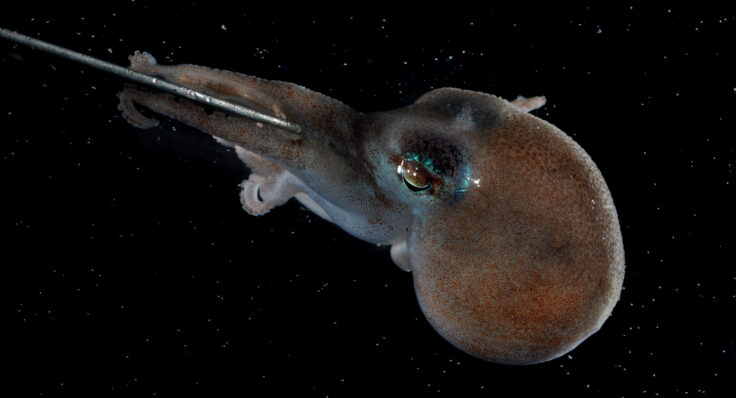
Scientists, including from British Antarctic Survey, have used octopus DNA to discover that the West Antarctic Ice Sheet (WAIS) likely collapsed during the Last Interglacial period around 120,000 years ago – when the global temperatures were similar to today.
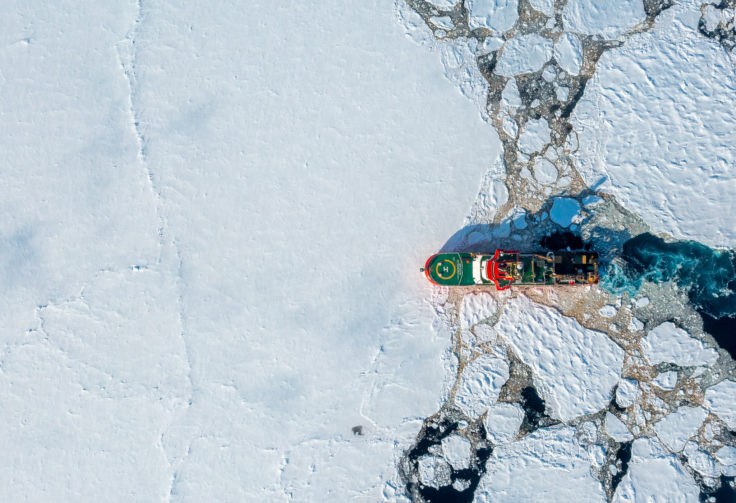
A team of international researchers set sail on the RRS Sir David Attenborough today (20 November) to answer some of the big questions about how Antarctic ecosystems and sea ice drive global ocean cycles of carbon and nutrients.
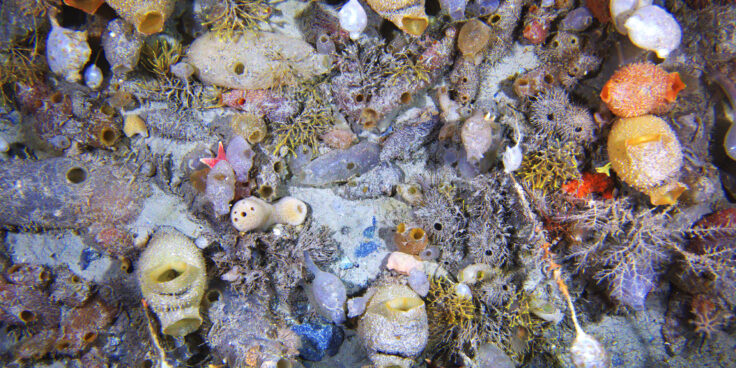
Antarctic seafloor ecosystems are both unique and fragile. Studying their past and present gives us valuable insights into how climate change may reshape them.
A research mission to Antarctica will study the effects of global warming on the West Antarctic ice sheet.
The West Antarctic Ice Sheet will continue to increase its rate of melting over the rest of the century, no matter how much we reduce fossil fuel use, according to British Antarctic Survey (BAS) research published this week in the journal Nature Climate Change.
The shortlist has been announced for The Natural Environment Research Council’s (NERC) Impact Awards 2023. Four BAS projects have made the shortlist and commended list, ranging from biodiversity and ecology to space weather.
Climate change is affecting the vertical migration of zooplankton in the Arctic, with potential implications for the entire Arctic ecosystem, finds a new study, published today in Nature Climate Change.
The West Antarctic Ice Sheet is shrinking, with many glaciers across the region retreating and melting at an alarming rate. However, this was not always the case according to new […]
Climate, biodiversity, and societal challenges are intrinsically linked and yet are usually viewed in isolation. A new review study, published in the journal Science this week (21st April 2023), focusses […]