Polar Ocean Mixing by Internal Tsunamis
POLOMINTS investigates how glacier calving triggers internal tsunamis, reshaping polar ocean mixing and influencing climate, ecosystems, and carbon cycling.

25 to 36 of 227 results
POLOMINTS investigates how glacier calving triggers internal tsunamis, reshaping polar ocean mixing and influencing climate, ecosystems, and carbon cycling.
British Antarctic Survey (BAS) is a beneficiary of a major investment in the UK’s network of leading environmental science research centres announced today (8 October).
A greater understanding of how climate change impacts at a regional level is vital to developing effective climate policies that protect communities from escalating risks.
New science briefing summarises results of the ambitious international collaboration to study Antarctica’s most worrying glacier
Antarctica’s rapidly receding sea ice could have a negative impact on the food supply of seabirds that breed hundreds of miles away from the continent.

An interdisciplinary team of researchers is heading back to Greenland this week (30 July) for the second phase of the Wandel Dal Project.

For the first time, researchers, including from British Antarctic Survey, have combined unique geological samples with sophisticated modelling to provide surprising insights into when and where today’s East and West Antarctic ice sheets formed.
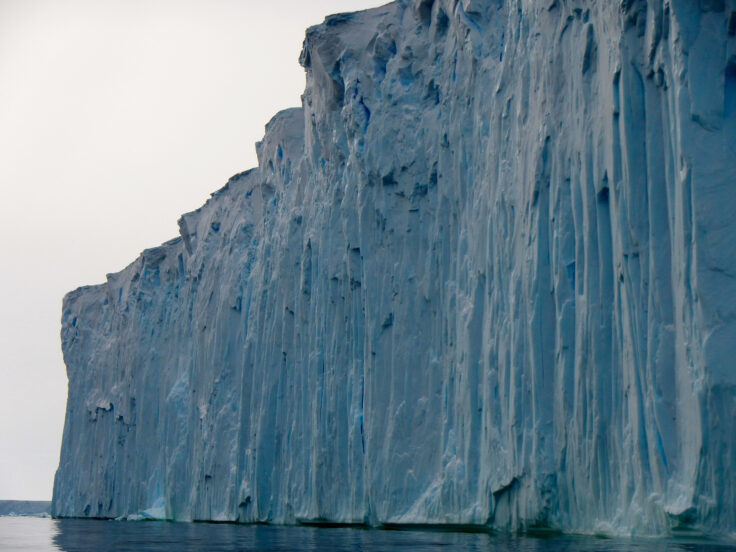
Climate scientists from University of Cambridge and the British Antarctic Survey will be at the 2024 Royal Society Summer Science Exhibition, showcasing how they are using Antarctic ice cores to unlock the past and uncover clues to our planet’s future.
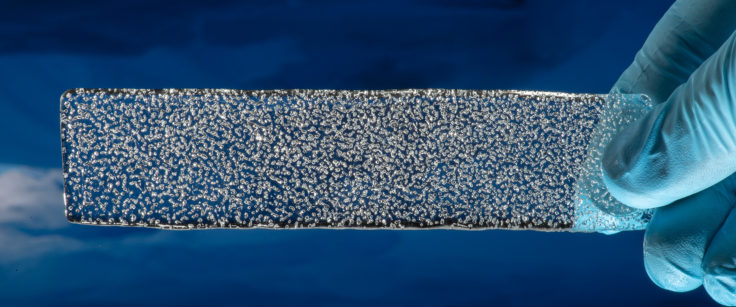
Warm water that seeps underneath can melt ice in way not yet included in models
A new and worrying way that large ice sheets can melt has been characterised by scientists for the first time. The research focuses on how relatively warm seawater can lap at the underside of ground-based ice, which can accelerate the movement of the ice into the ocean.
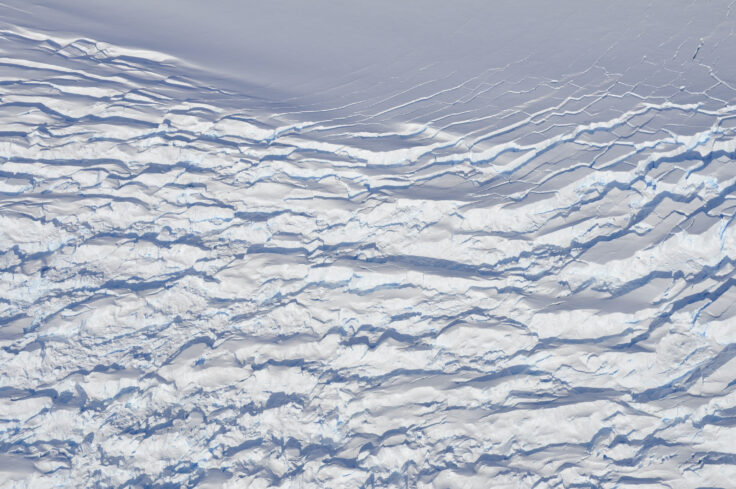
In the first successful attempt to calibrate walrus counts from satellite imagery, scientists used drones to validate animal counts in Svalbard, Norway.
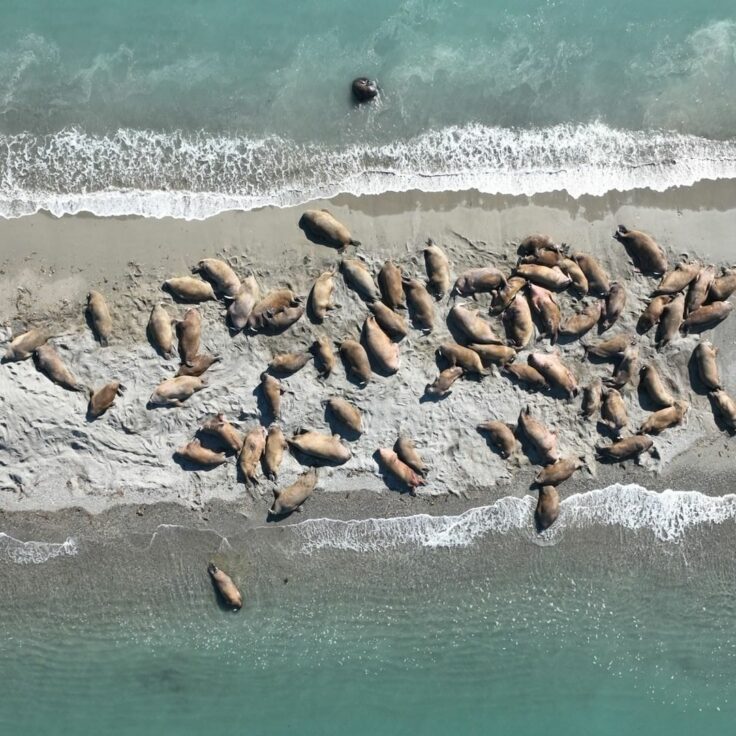
Scientists at the British Antarctic Survey (BAS) have found that the record-low levels of sea ice around Antarctica in 2023 were extremely unlikely to happen without the influence of climate change.
British Antarctic Survey (BAS) is inviting the public to become ‘penguin detectives’ and spend five minutes counting emperor penguins to help with vital research into these iconic animals.
