Ancient poo reveals uncertain future for Antarctic seabirds
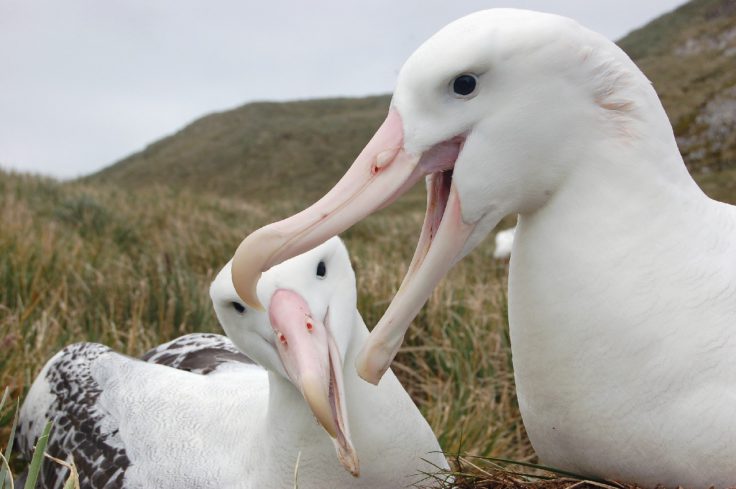
Layers of ancient bird droppings preserved in the peatlands of the sub-Antarctic island of Bird Island have given scientists a window into 8,000 years of seabird history.

13 to 24 of 227 results
Layers of ancient bird droppings preserved in the peatlands of the sub-Antarctic island of Bird Island have given scientists a window into 8,000 years of seabird history.
A new study concludes that warm ocean water was the primary driver of major West Antarctic Ice Sheet retreat since the end of the last ice age 18,000 years ago.
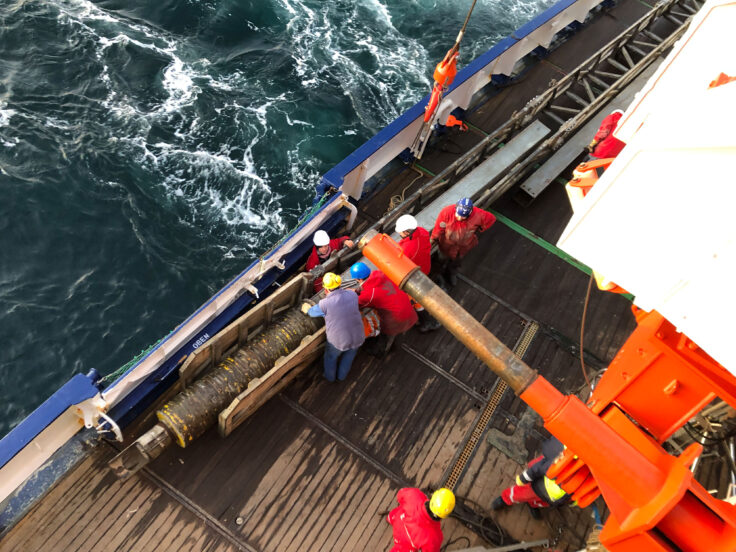
A team of international scientists, including from British Antarctic Survey (BAS), has modelled the best- and worst-case scenarios for the Antarctic Peninsula as the Earth’s climate warms.
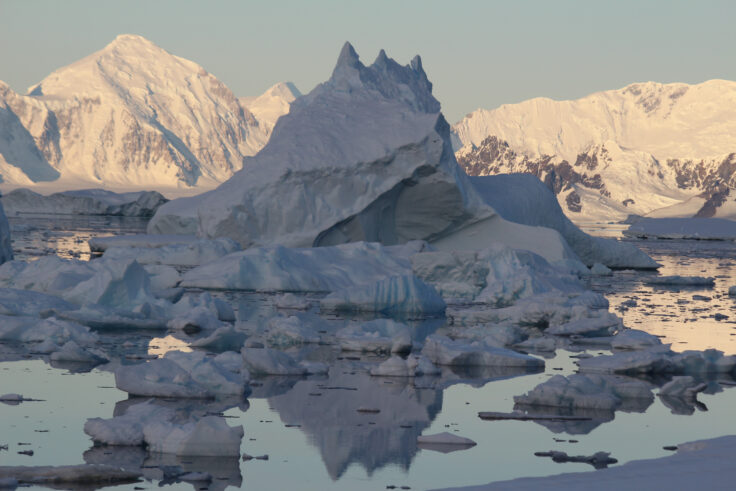
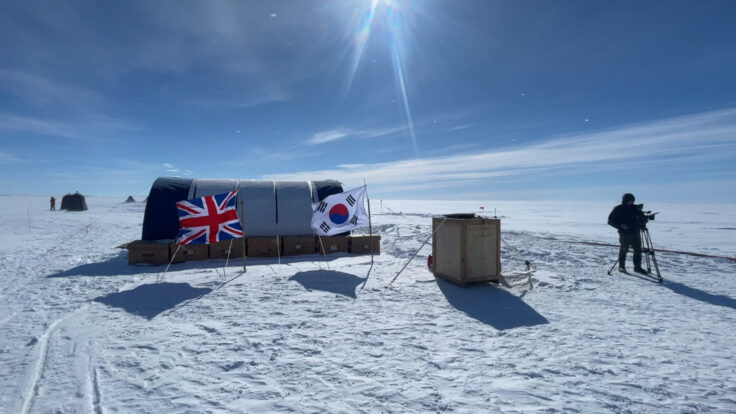
Researchers from British Antarctic Survey (BAS) and South Korea (KOPRI) have concluded a highly ambitious field operation at Thwaites Glacier, West Antarctica.
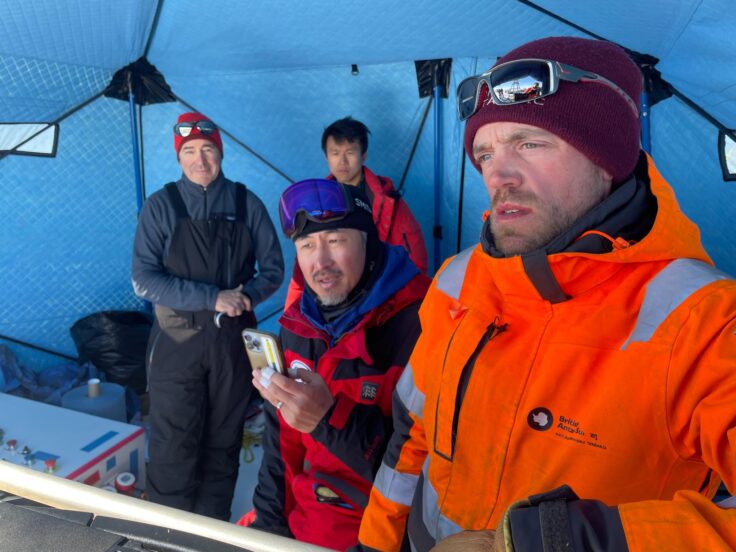
A team of researchers from the UK and Korea has reached the most inaccessible and least-understood part of Thwaites Glacier in West Antarctica where they will drill through the glacier to directly observe how warm ocean water is melting it from below.
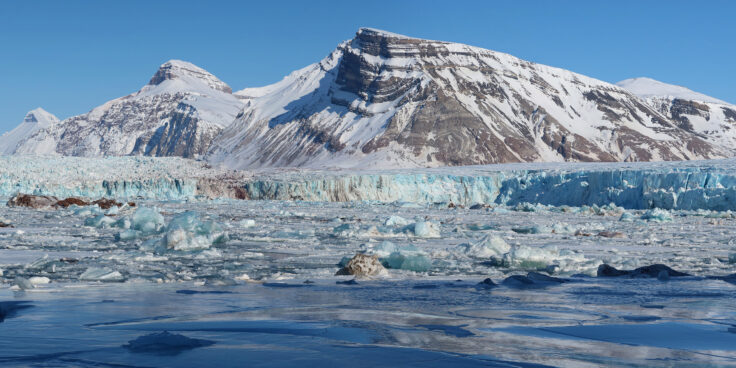
Artificial Intelligence for Stable Isotope Tracers (AISIT) creates a standardised, machine-readable database of Arctic freshwater tracers.
GIANT is a pioneering science project that will test the potential for early warning of a critical climate tipping point.
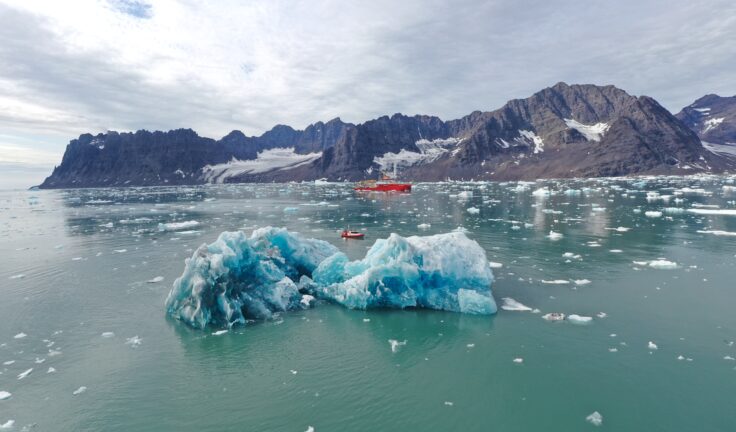
British Antarctic Survey (BAS) researchers have been selected for funding from The Advanced Research + Invention Agency (ARIA) to help improve our understanding of climate tipping points.
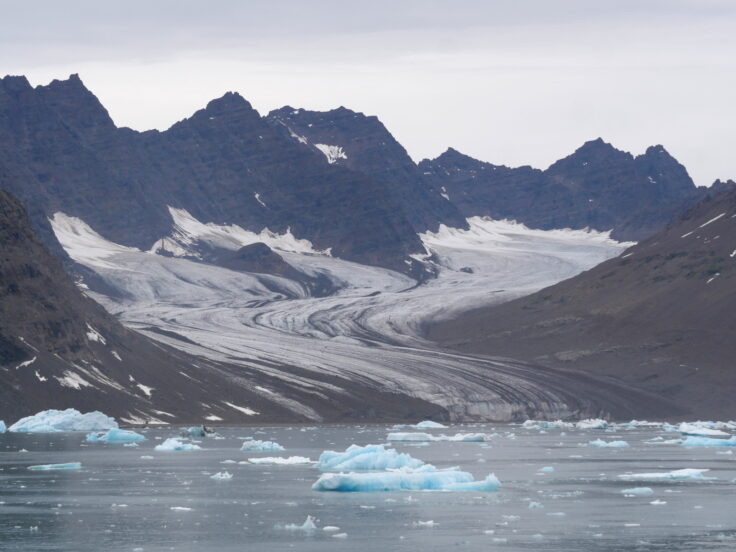
The Beyond EPICA-Oldest Ice project has successfully drilled a 2800-metre-long ice core consisting of ice which is over 1.2 million years old.
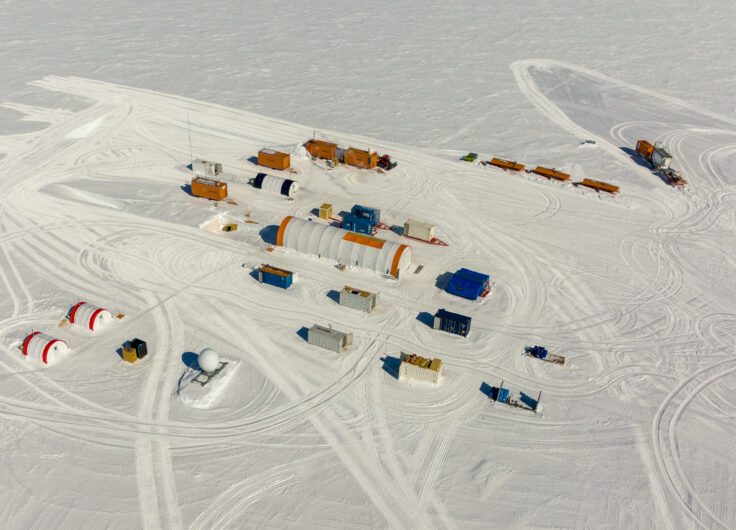
Over 30 researchers from international institutes are working on ice core drilling campaigns in Antarctica to probe the ice sheet’s behaviour, carbon cycling in the Southern Ocean, and the Earth’s climate history.
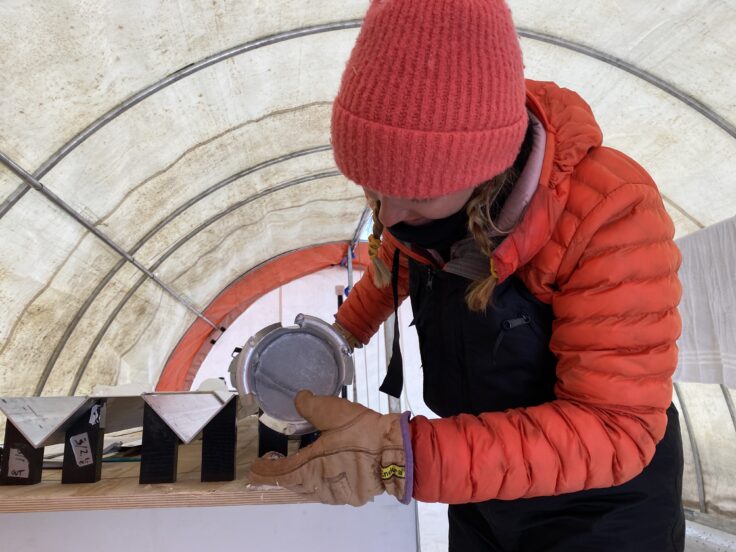
A project looking at how clouds affect climate change in Antarctica starts its second year of field research this month. The Southern Ocean Clouds (SOC) project, which is part of the CloudSense programme, will carry out research on the RRS Sir David Attenborough and at Rothera Research Station in Antarctica.
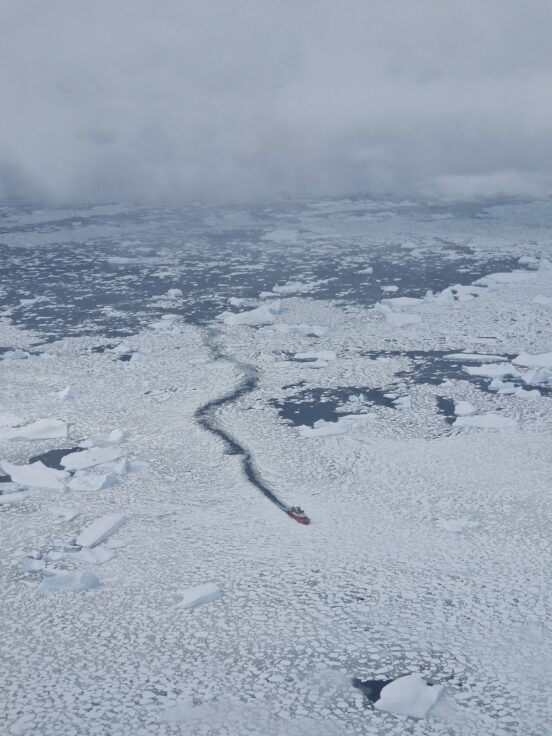
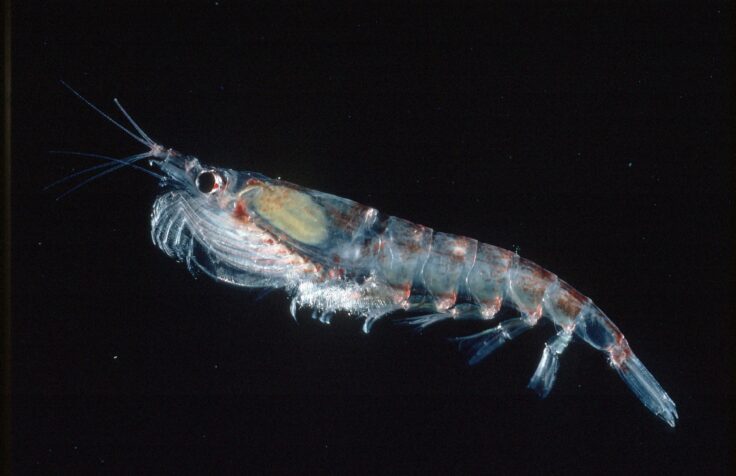
New research shows that increased levels of plastic pollution in the Southern Ocean could reduce the ability of Antarctic krill, a tiny shrimp-like crustacean, to help take CO2 from the atmosphere.