Study shows melting ice sheets will disrupt climate
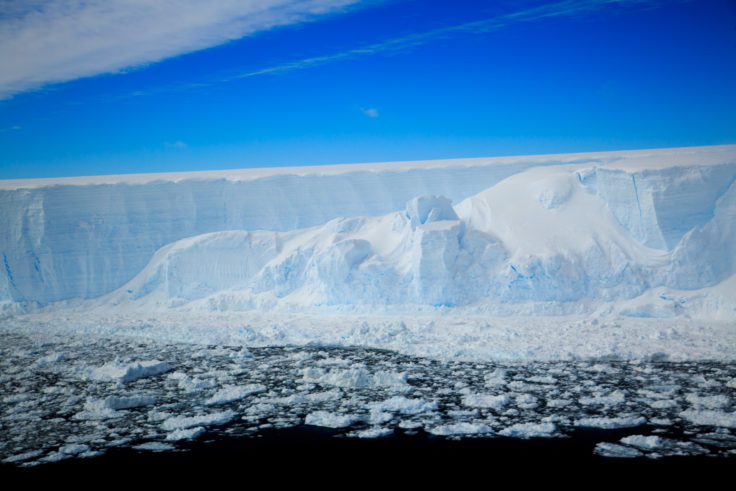
Water entering the oceans from melting ice sheets could cause extreme weather and a change in ocean circulation not currently accounted for in global climate policies, a new study published […]

109 to 120 of 214 results
Water entering the oceans from melting ice sheets could cause extreme weather and a change in ocean circulation not currently accounted for in global climate policies, a new study published […]
SEANA is a NERC-funded project, led by Dr Zongbo Shi (U. Birmingham) that aims to define the baseline atmosphere and model potential future changes.
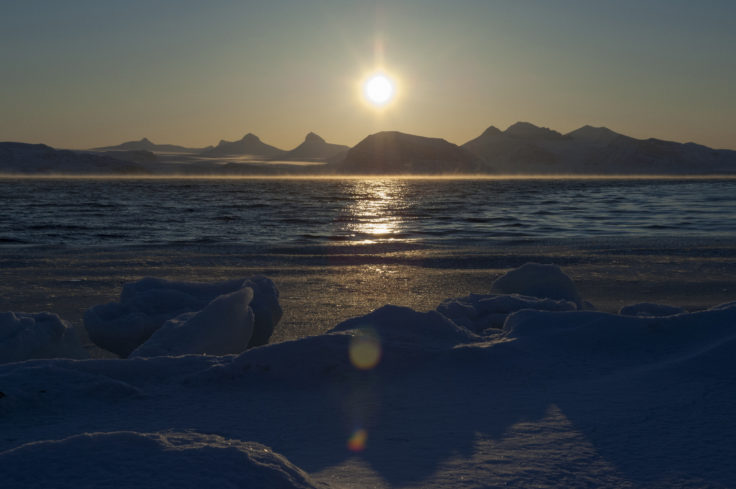
Offshore gas fields worldwide are major sources of methane emissions. Developing reliable methods to locate emissions and pinpoint sources is critical for quantifying the volume of methane emissions from gas fields across the world.
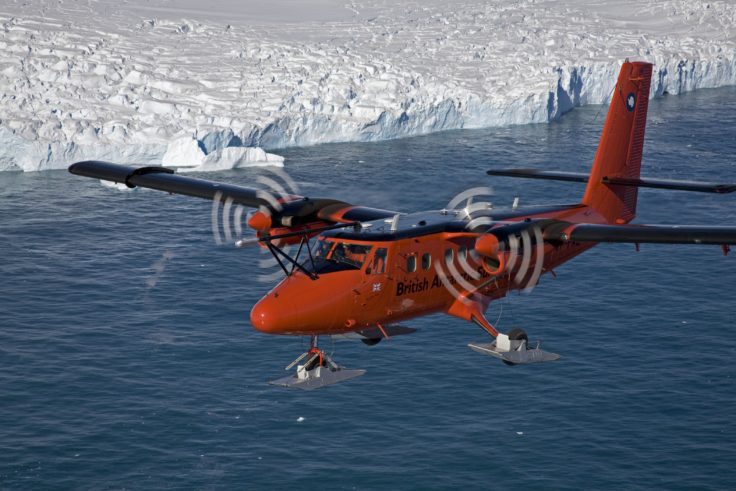
A team of scientists and engineers has for the first time successfully drilled over two kilometres through the ice sheet in West Antarctica using hot water. This research will help […]
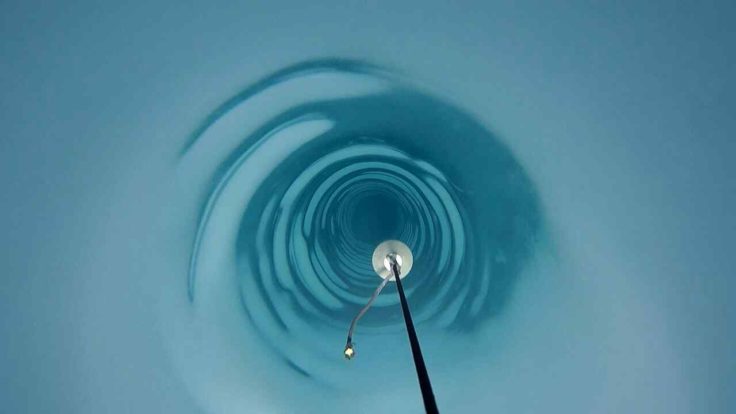
A team of Arctic scientists – including British Antarctic Survey (BAS) climate scientist Dr Jeremy Wilkinson – are hosting their Arctic Basecamp in Davos this week (23 January) at the […]
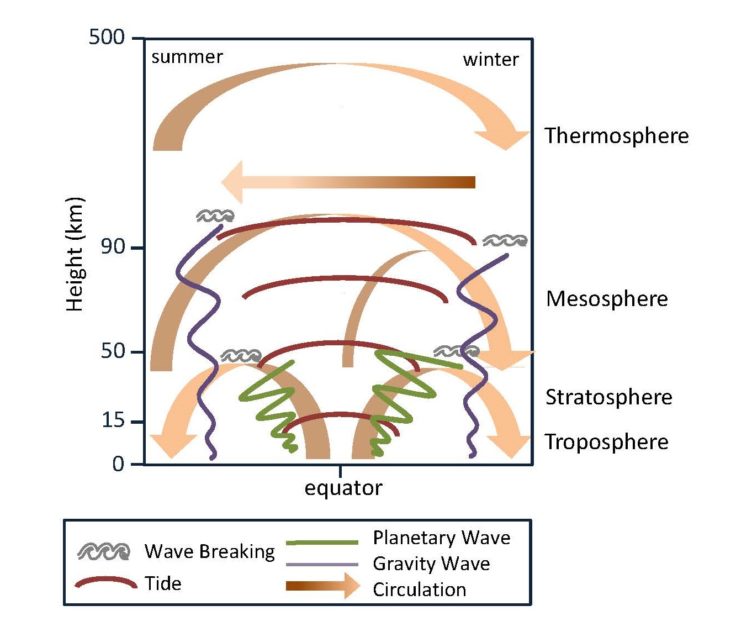
Whole Atmosphere Climate Change project investigated how human-driven climate change in the lower atmosphere affects upper atmosphere conditions up to 500 km altitude.
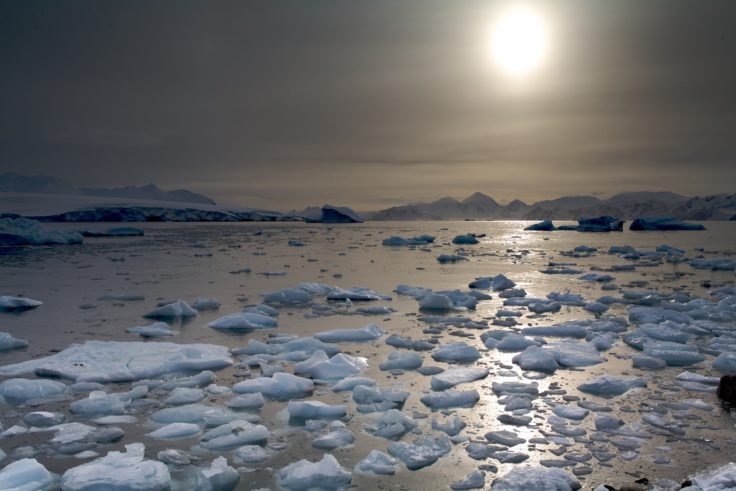
British Antarctic Survey (BAS) scientists have been awarded funding to enable them to assess the impact of emissions from shipping and to quantify and manage the risk of climate hazards. […]
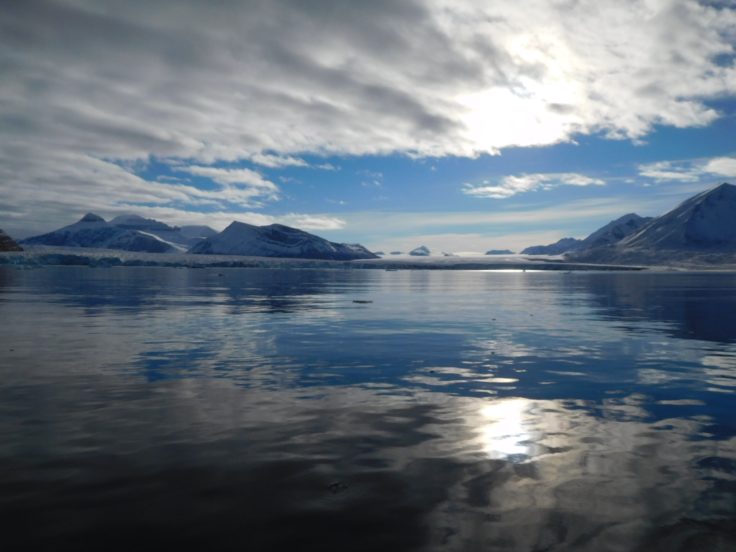
Scientists have discovered an area near the South Pole where the base of the Antarctic Ice Sheet is melting unexpectedly quickly. Using radar to look through three km of ice, […]
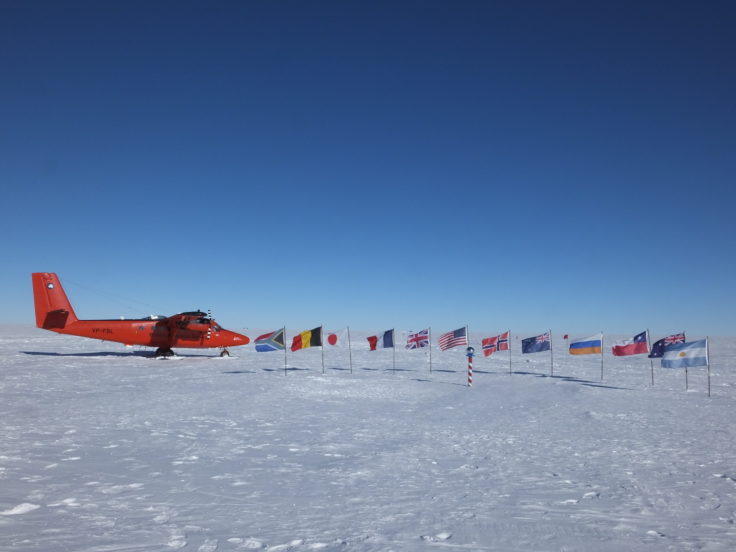
Congratulations to Dr Emilie Capron who has been awarded the prestigious Early Career Scientist Award of the International Union of Geodesy and Geophysics (IUGG). Dr Capron is a palaeoclimatologist at British […]
Expert comment on IPCC Special Report
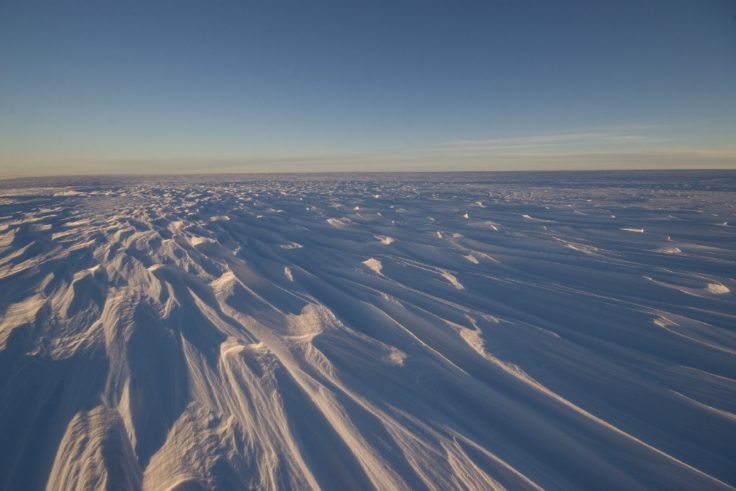
In this project samples of bedrock were analysed to determine how long they have been shielded from the sun, and that could tell us how long ago the ice sheet formed, even if the first ice has long gone.
A new study of lake sediments from the sub-Antarctic reveals for the first time that increases in westerly winds are likely to reduce the ability of the Southern Ocean to […]
