Adding water tracers to the UK Earth System Model
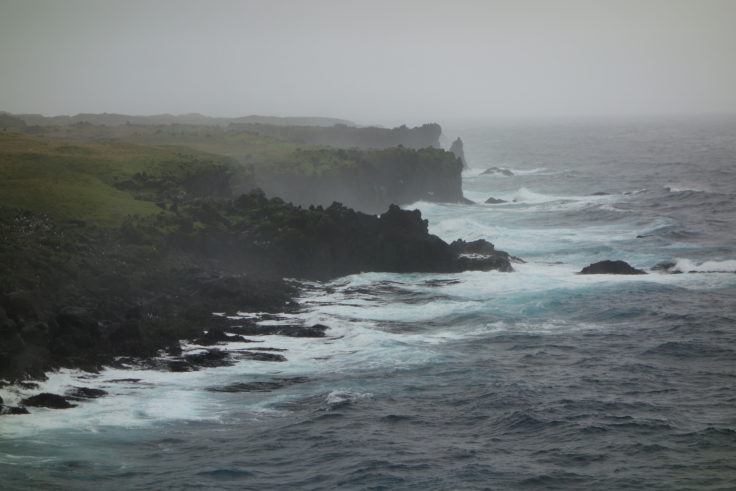
The project adds water tracers, including stable isotopes, to the UK Earth system model (UKESM2). These tracers follow water through the model’s hydrological cycle.
85 to 96 of 223 results
The project adds water tracers, including stable isotopes, to the UK Earth system model (UKESM2). These tracers follow water through the model’s hydrological cycle.
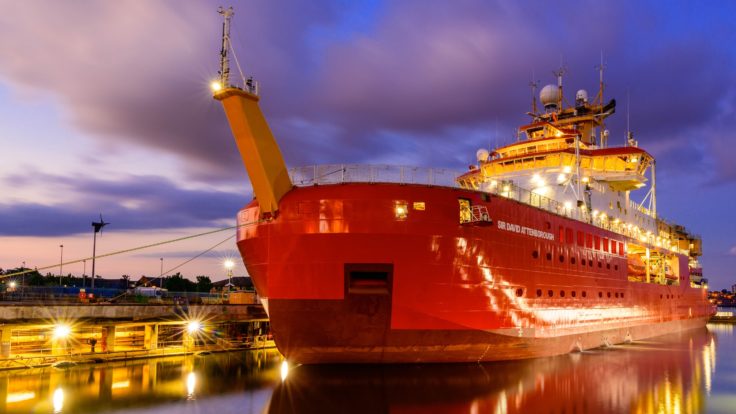
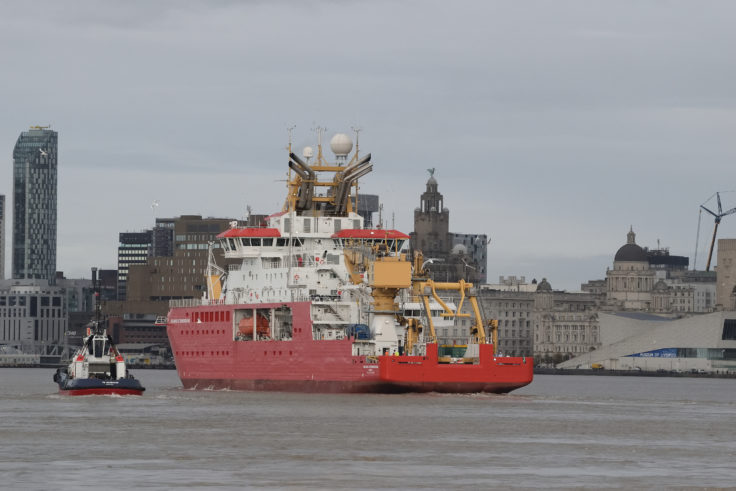
This summer, British Antarctic Survey (BAS) will be an official partner for the Good Business Festival youth programme in the Liverpool City Region. BAS already has an important connection with the area – Britain’s new polar ship, RRS Sir David Attenborough […]
British Antarctic Survey researchers will work on a new Horizon 2020 project to advance their understanding of polar processes in the global climate system. The CRiceS project, or Climate relevant […]
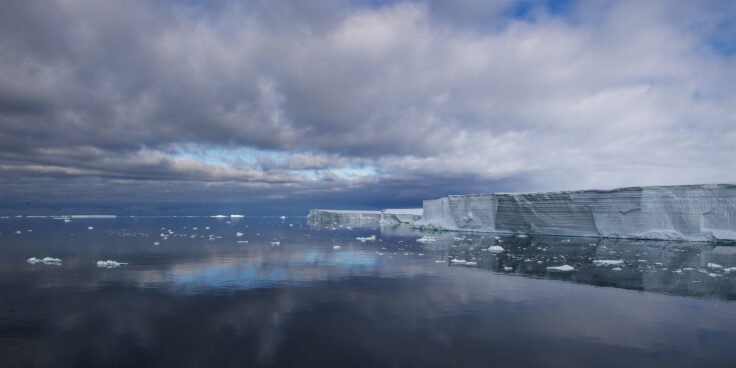
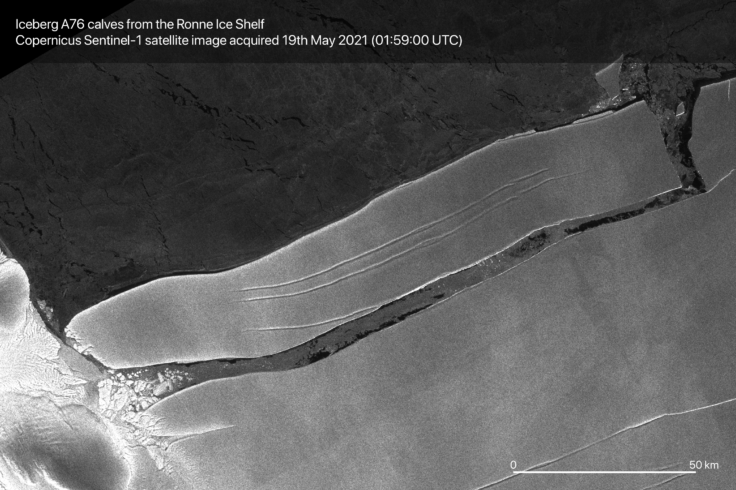
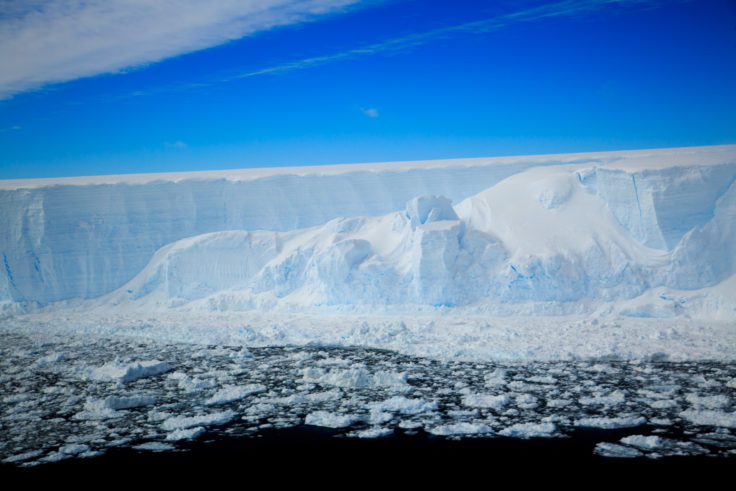
An enormous iceberg has calved from the western side of the Ronne Ice Shelf, in Antarctica. The iceberg, newly named A-76, measures around 4320 sq km in size and is […]
For the first time, geological records have been used to reconstruct the history of Larsen C Ice Shelf in Antarctica. The ice shelf is the largest remaining remnant of a […]
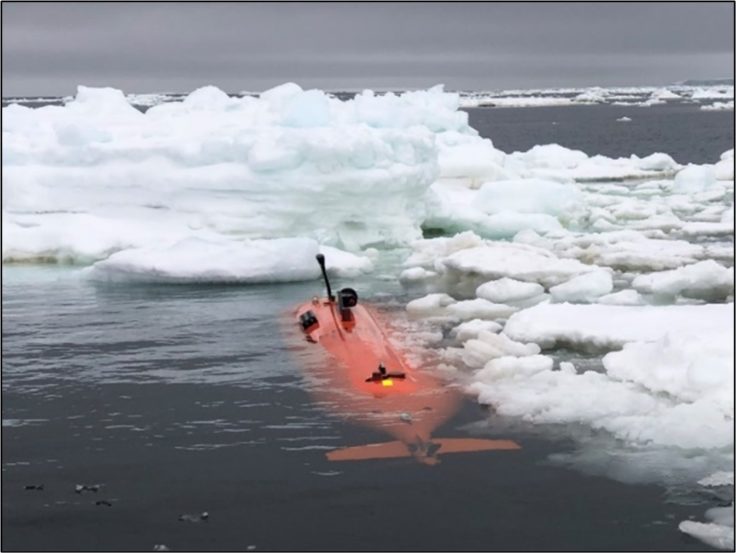
For the first time, researchers have collected data from underneath the remote Thwaites Glacier in West Antarctica using an underwater robot.
Polar climate scientists have created the most high resolution past record of the Southern Hemisphere westerly winds. The results, published this week (9 December) in the journal Communications Earth and […]
Large krill swarms in the Southern Ocean could help remove additional carbon from the atmosphere, in a way that is currently ‘hidden’ in global models. Scientists knew that the carbon-rich […]
Applications for PhD projects with British Antarctic Survey (BAS) are now open for October 2021 admission. There are currently over 100 PhD students associated with BAS, working on a huge variety […]
SO-WISE addresses a critical knowledge gap in understanding how warm ocean water reaches and melts the undersides of West Antarctic ice shelves, which is currently the largest source of uncertainty in global sea level rise projections.
The World Meteorological Organization (WMO) has recognized a temperature of -69.6°C (-93.3°F) at an automatic weather station in Greenland on 22 December 1991 as the coldest ever recorded in the […]
New research has revealed that climate changes associated with past episodes of abrupt warming in Greenland occurred synchronously across a region extending from the Arctic to the Southern Hemisphere subtropics. […]