Towards Net Zero Carbon
Our strategy and work streams to meet Net Zero goals
241 to 252 of 264 projects
Our strategy and work streams to meet Net Zero goals
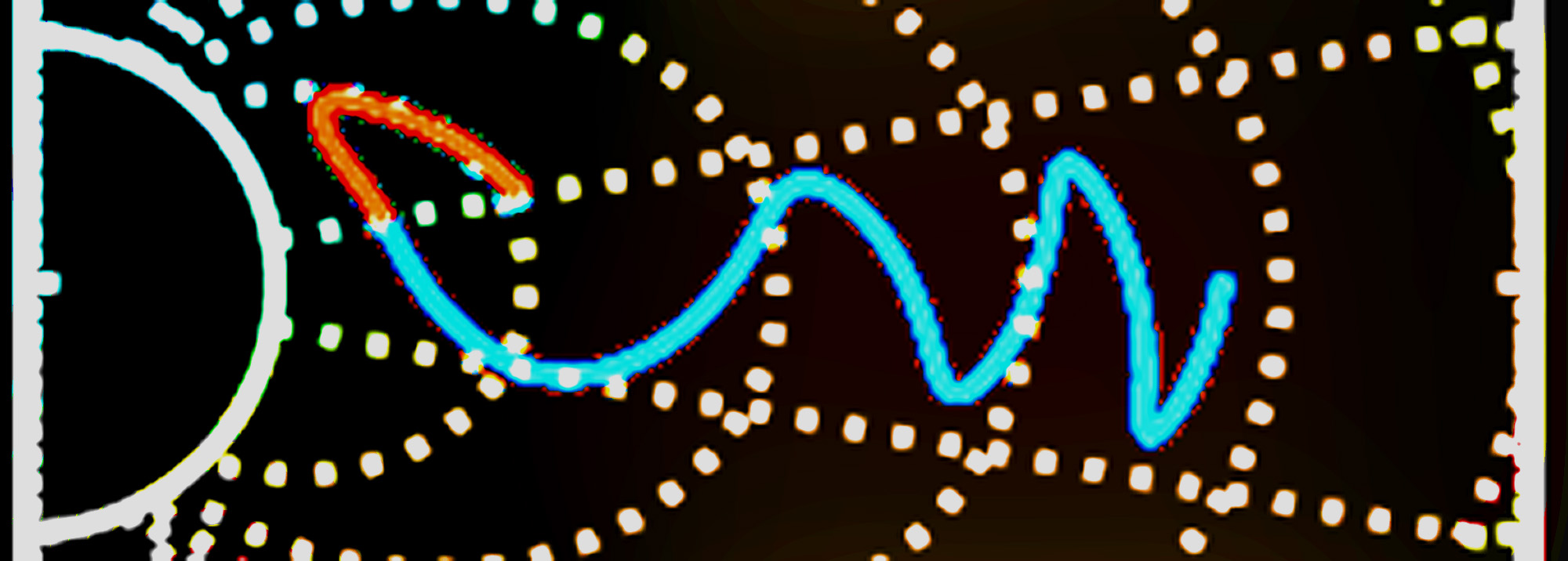
HOTRAY is a ray tracing computer code designed to trace the path of electromagnetic waves in a hot magnetised plasma. HOTRAY has been used to understand the generation and propagation of plasma waves at the Earth, Jupiter, Saturn and laboratory plasmas.
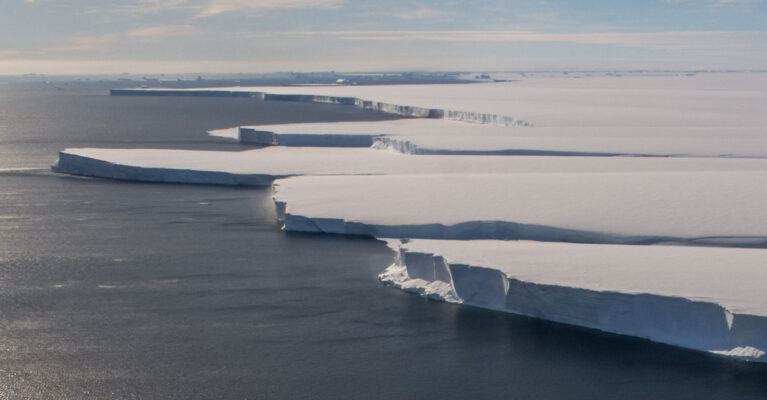
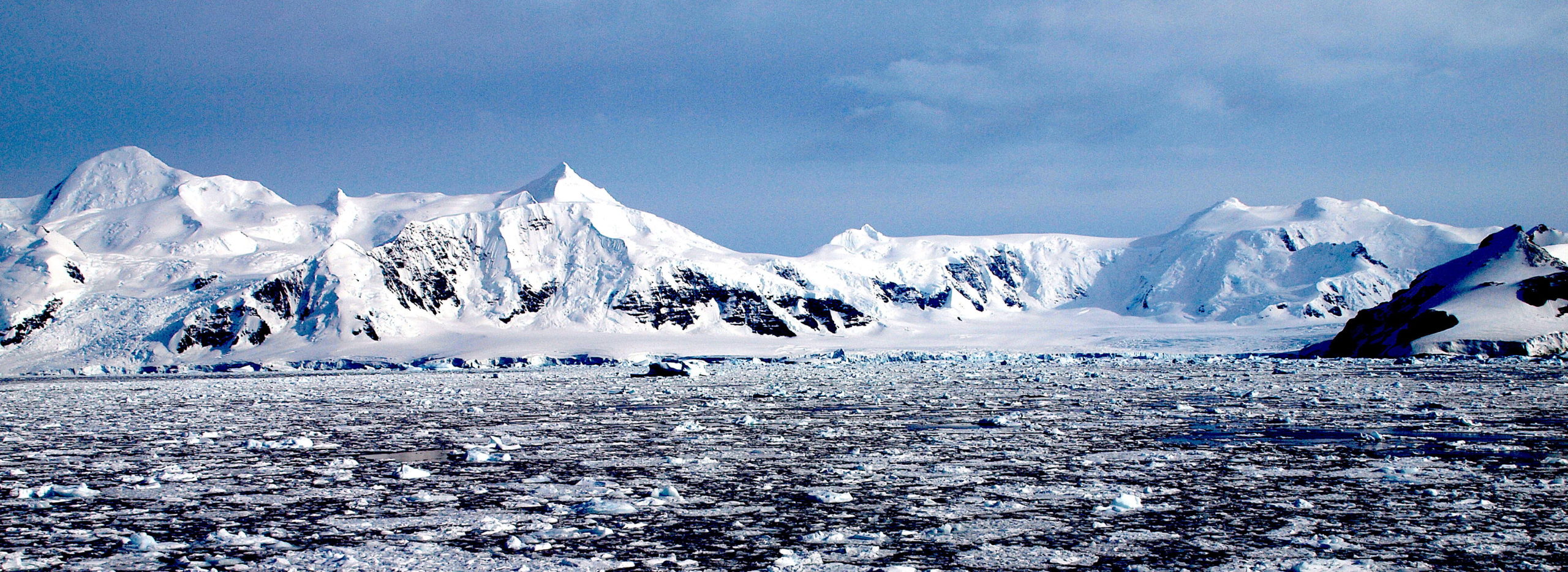
WAMSISE examined the record of ice sheet evolution on West Antarctic continental margins from middle Miocene to present, clarify the factors controlling the major sedimentary changes, and consider their global implications.
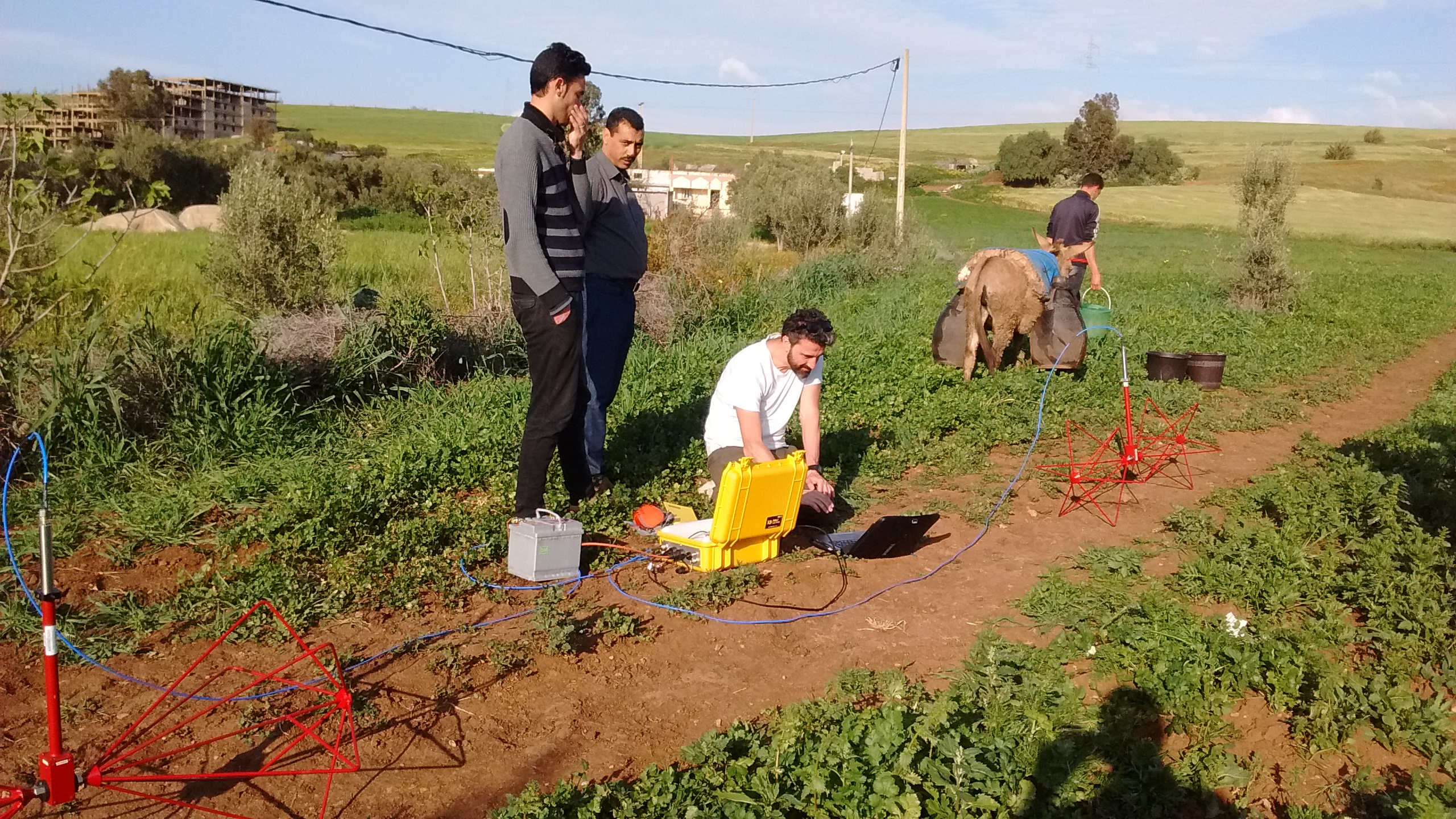
ApRES and groundwater investigated whether a technique developed to measure the basal meltrate of ice shelves can be used to monitor groundwater in arid and semi-arid regions.
Realising the benefits of the Antarctic Infrastructure Modernisation programme.
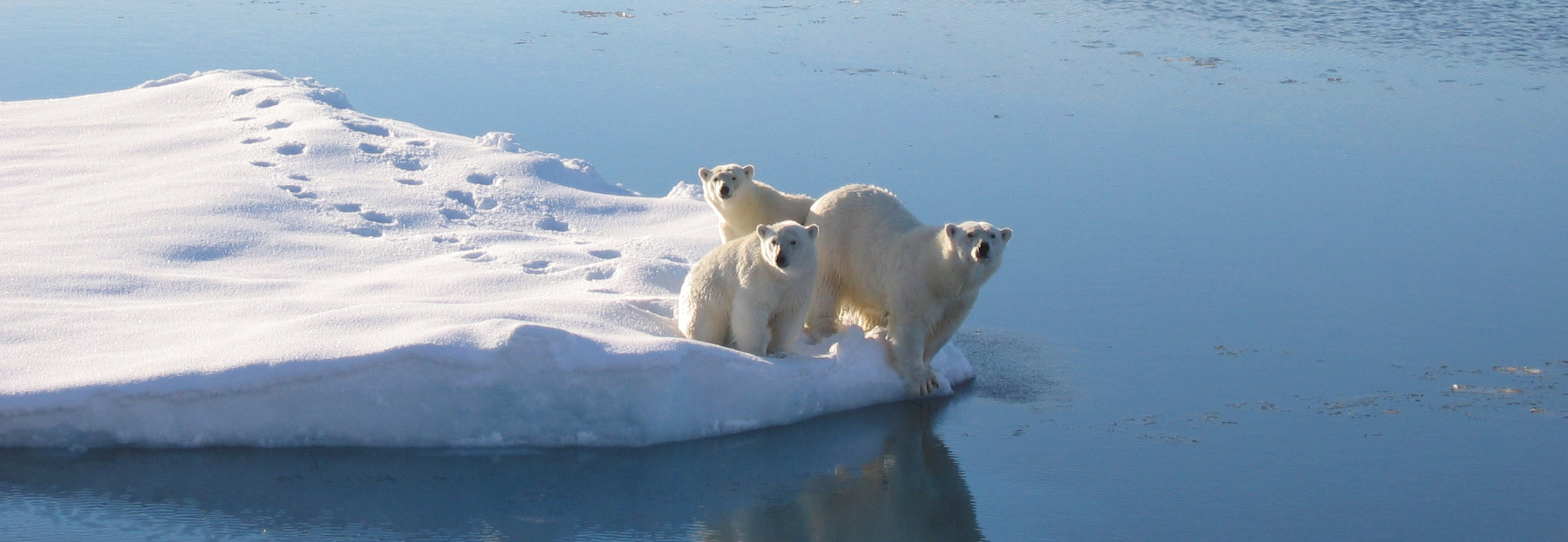
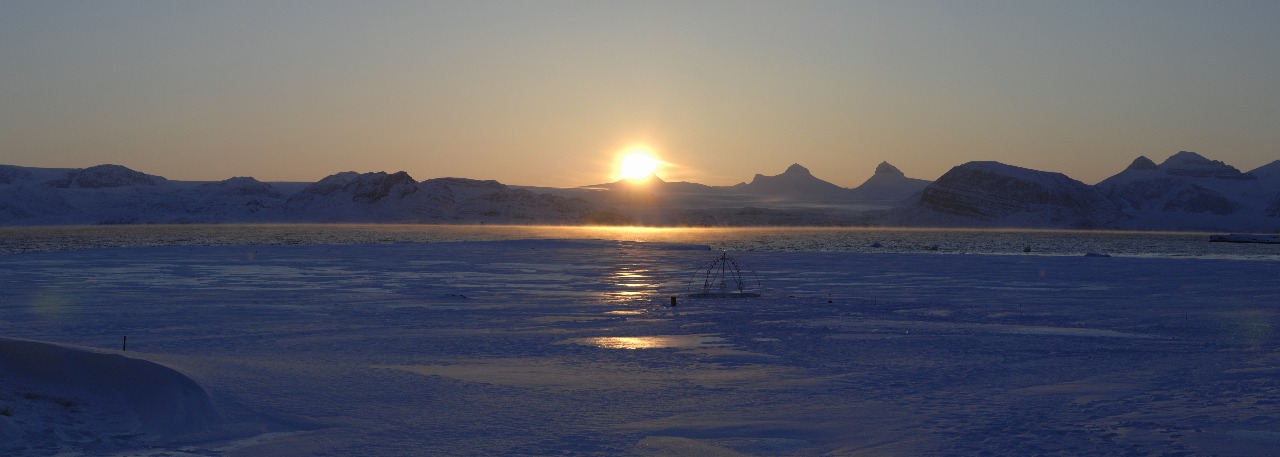
physicists, chemists, biologists, economists, and sociologists from 21 institutes in 11 countries across Europe assess the rapid retreat and collapse of Arctic sea-ice cover
ExtAnt investigates extreme weather events in Antarctica, examining their causes including human activity, the ozone hole and greenhouse gases.
Arctic PASSION brought together international partners, including Indigenous and local communities, to improve how we monitor the rapidly changing Arctic and make environmental data freely available to those who need it.
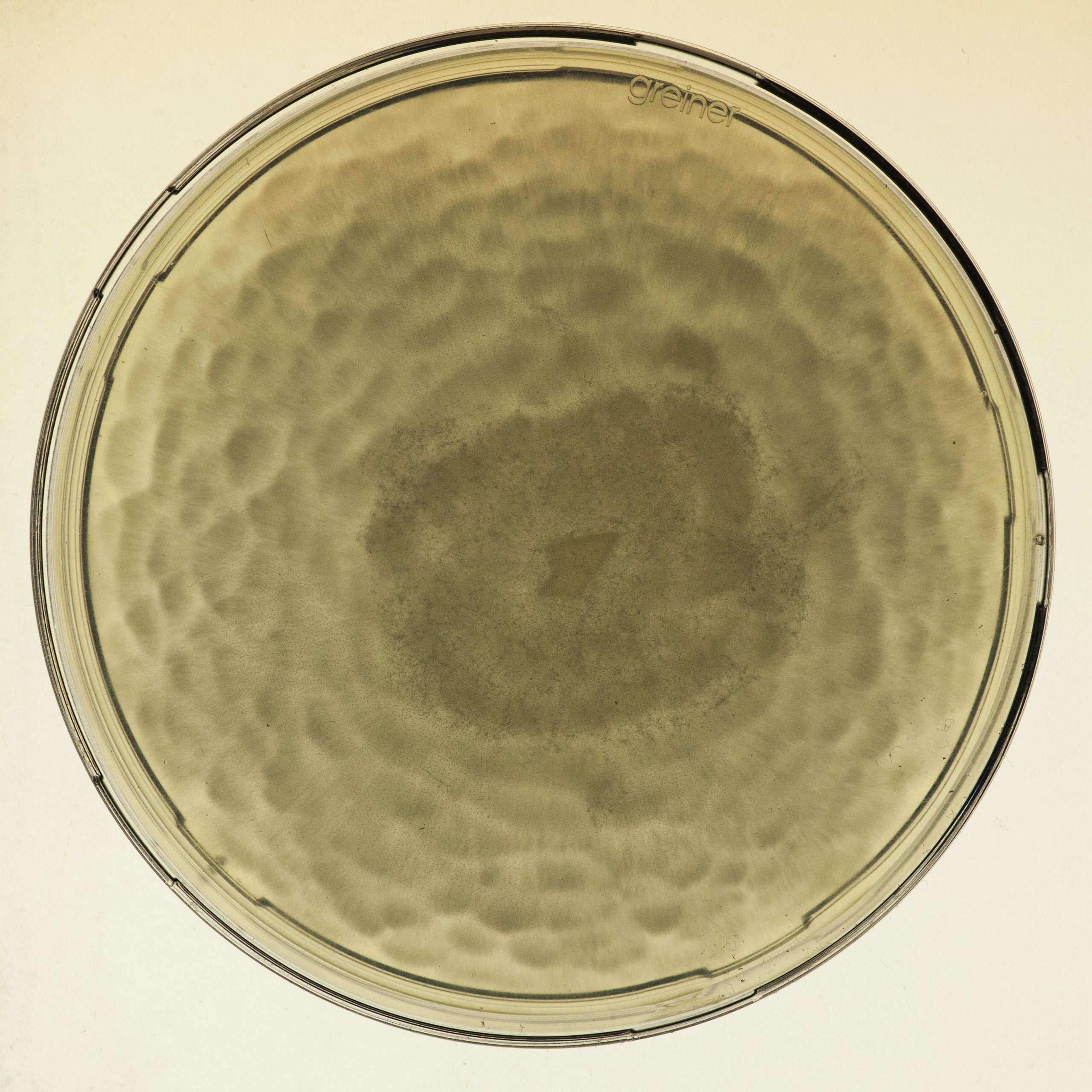
This project investigated whether Mortierella, a cold-tolerant Antarctic soil fungus, could replace banned chemical pesticides in controlling weevil larvae that damage UK soft fruit and forestry crops.
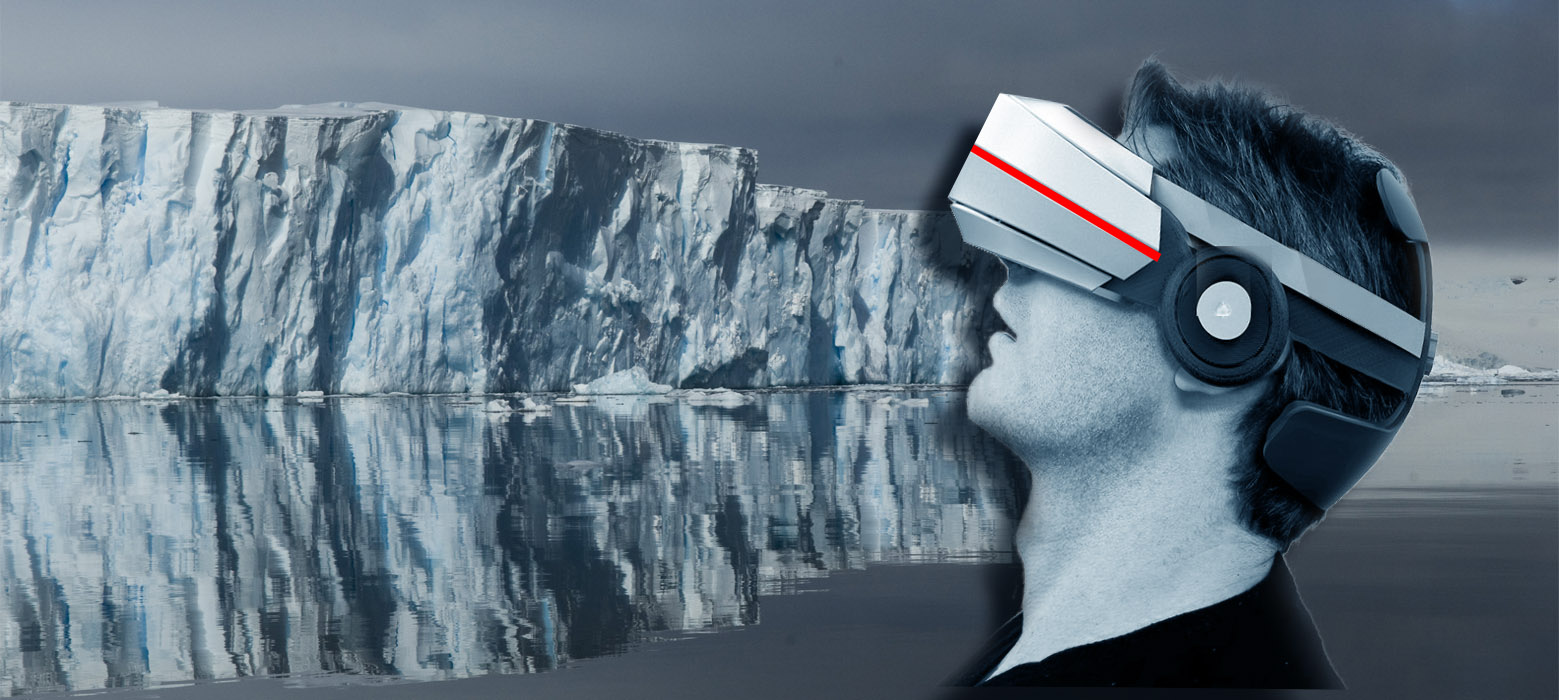
Virtual Antarctica … journey beyond
This project investigated how much water is stored in the glaciers and snow of the Upper Indus Basin, and how climate variability influences water availability.
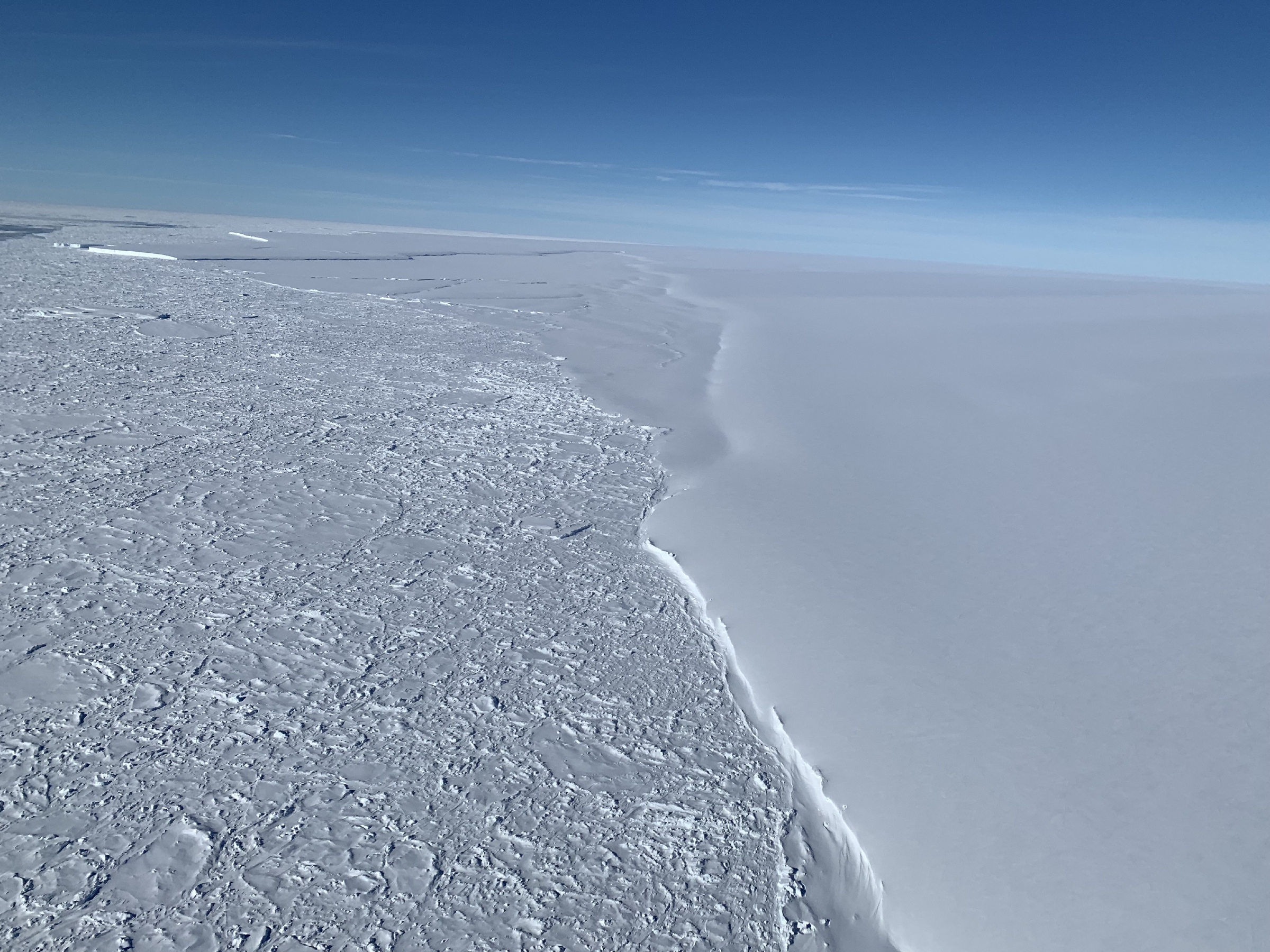
Studying ice response during past climate changes improves understanding of Antarctic ice sheet dynamics. This knowledge helps predict how ice sheets may behave under future warming scenarios.