The Environment of the Arctic Climate, Ocean and Sea Ice

TEA_COSI assesses Arctic Sea-ice which has an important impact on currents and ocean circulations around the globe

229 to 240 of 263 projects
TEA_COSI assesses Arctic Sea-ice which has an important impact on currents and ocean circulations around the globe
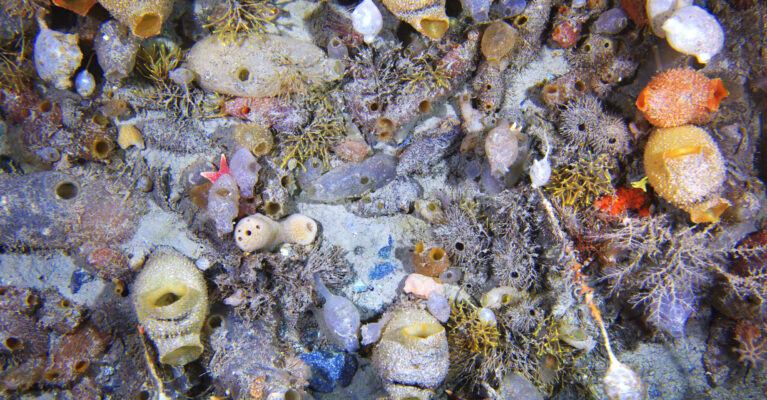
Antarctic seafloor ecosystems are both unique and fragile. Studying their past and present gives us valuable insights into how climate change may reshape them.
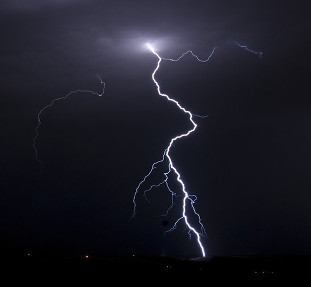
Quantifying the Effect of the Upper Atmospheric Electric Potential on Lower Atmospheric Temperature and Pressure.
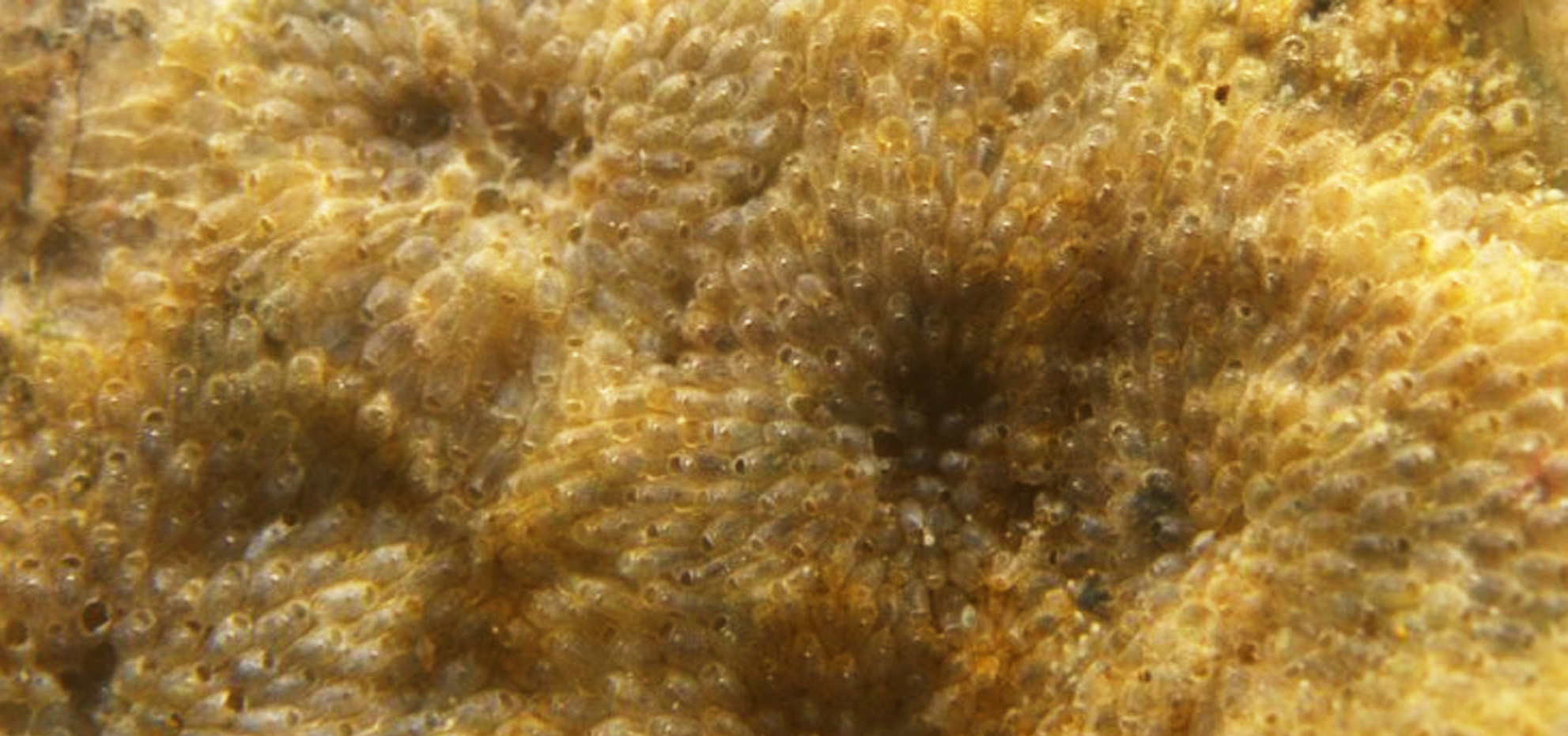
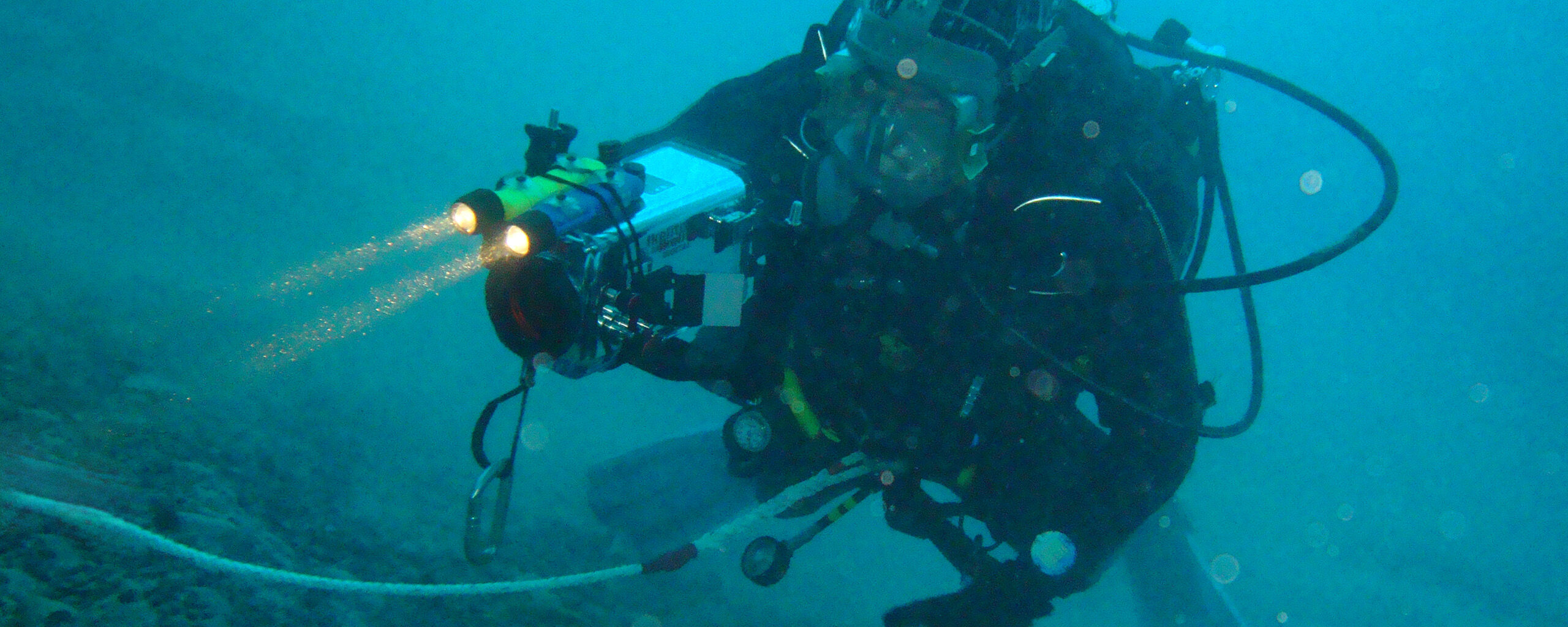
The heated settlement panels project tested how marine life responded to warmer oceans. The focus was on the waters of the Antarctic Peninsula, one of the fastest-warming regions on Earth
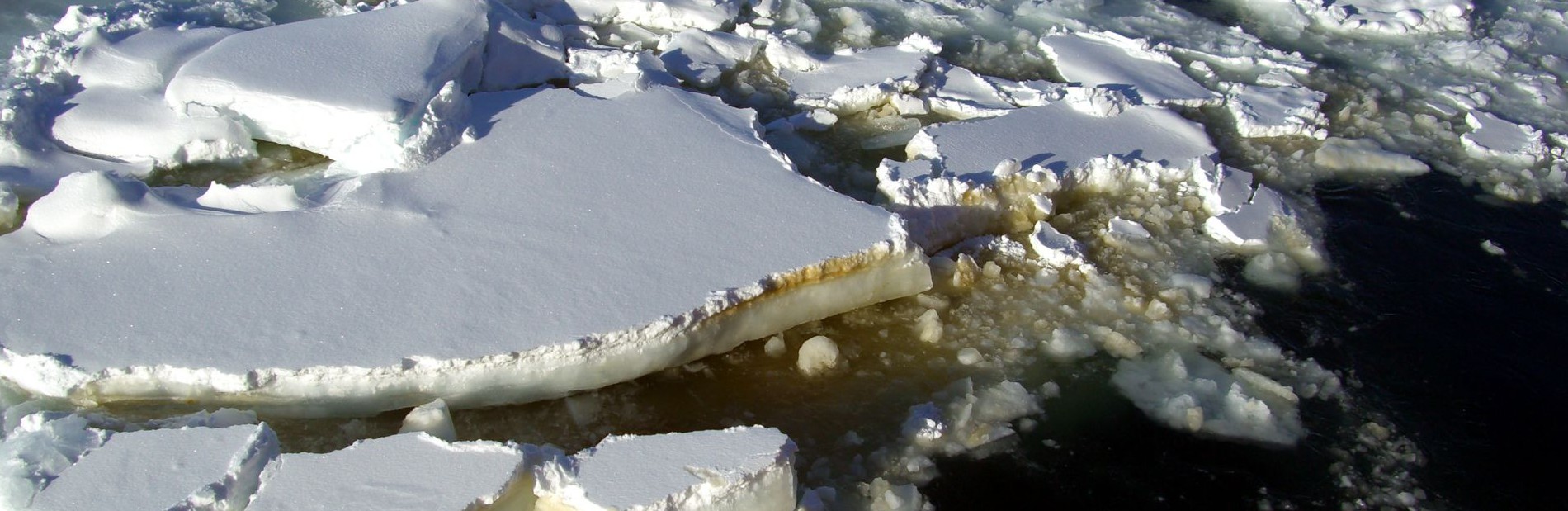
This project examines Antarctic sea-ice’s role in global climate, using marine sediment and ice core records to reconstruct past sea-ice extent.
This project attempts to reconstruct changes in the intermediate-deep ocean density gradient in the South Atlantic across the last deglaciation in order to assess the link between deep ocean stratification and atmospheric CO2.
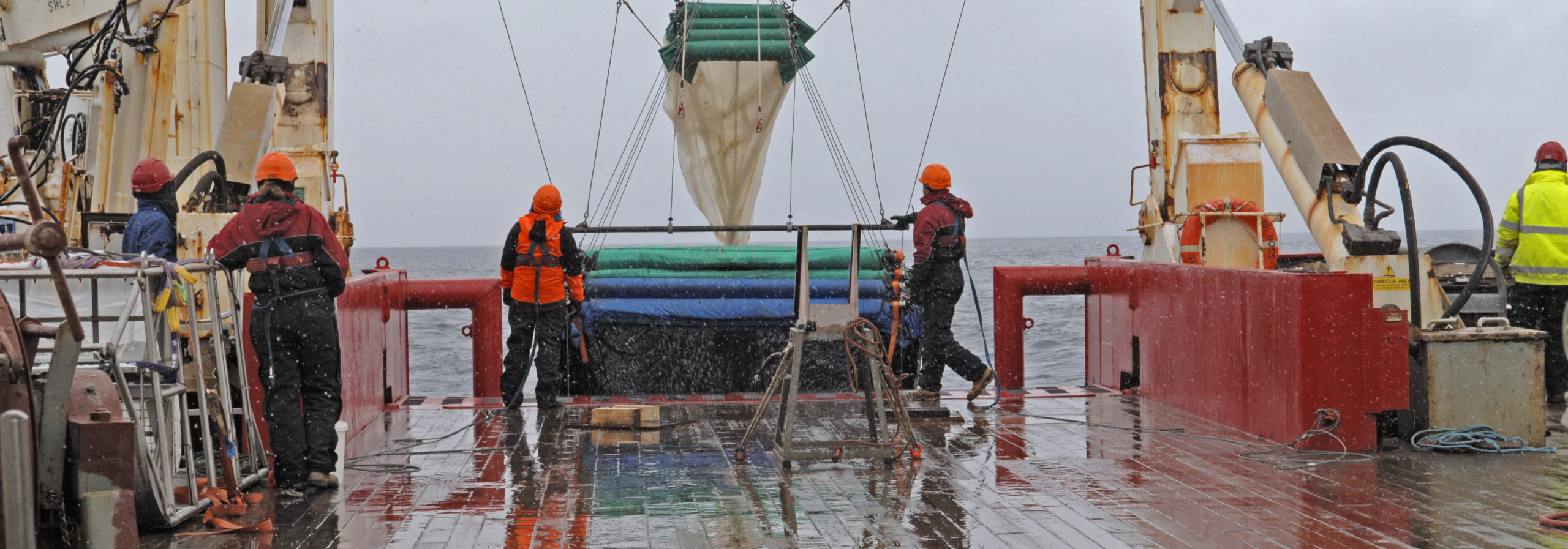
SONA will use bio-acoustics to monitor mid-trophic organisms at large spatial scales annually along transits to Antarctic research bases and fisheries sites. It will unite multi-national calibrated acoustic data from both research and fisheries vessels into a common accessible database.
SONATA will design and implement an optimal approach to assess the state, variability and climatic drivers of the contemporary Southern Ocean carbon sink. This overriding objective will be achieved through a combination of atmospheric and marine field measurements as well as numerical modelling.

The field department have estimate the use of 400 flags on station with ~ 1,000 flags deployed into the field each year. We have conducted a preliminary trial by testing different material types (cotton canvas and Ventile) at select sites around Rothera.
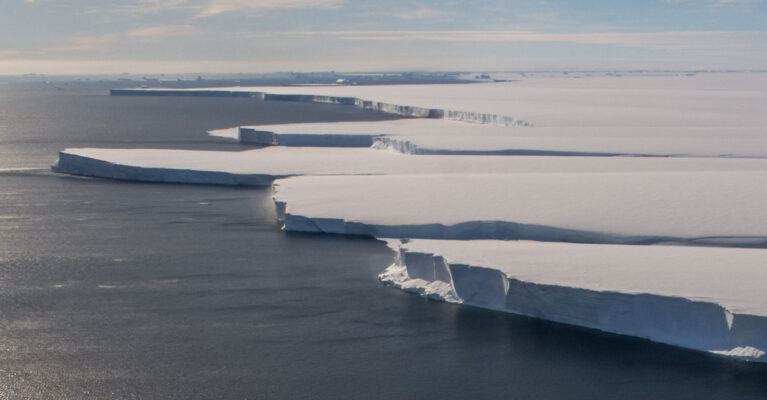
UKESM-BAS contributes to the UK Earth System Model by coupling the BISICLES ice sheet model with global climate models to improve sea level rise projections, and by developing satellite-based techniques to assess sea ice predictions.
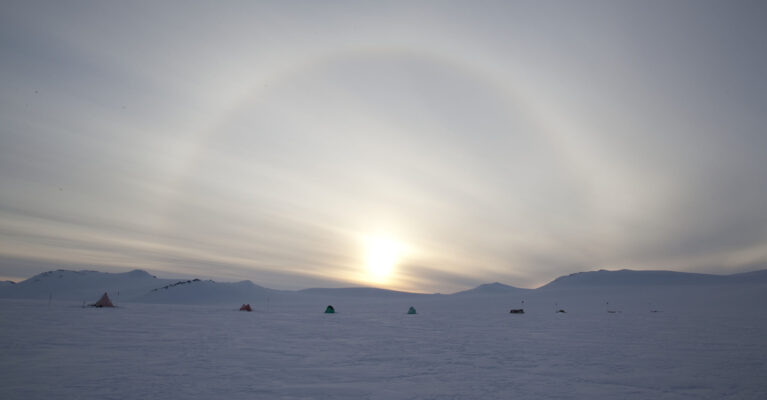
Using meteorological statistical techniques, THeMES aimed to improve satellite trajectory predictions and identify which orbital paths face the greatest risk from space weather disturbances.
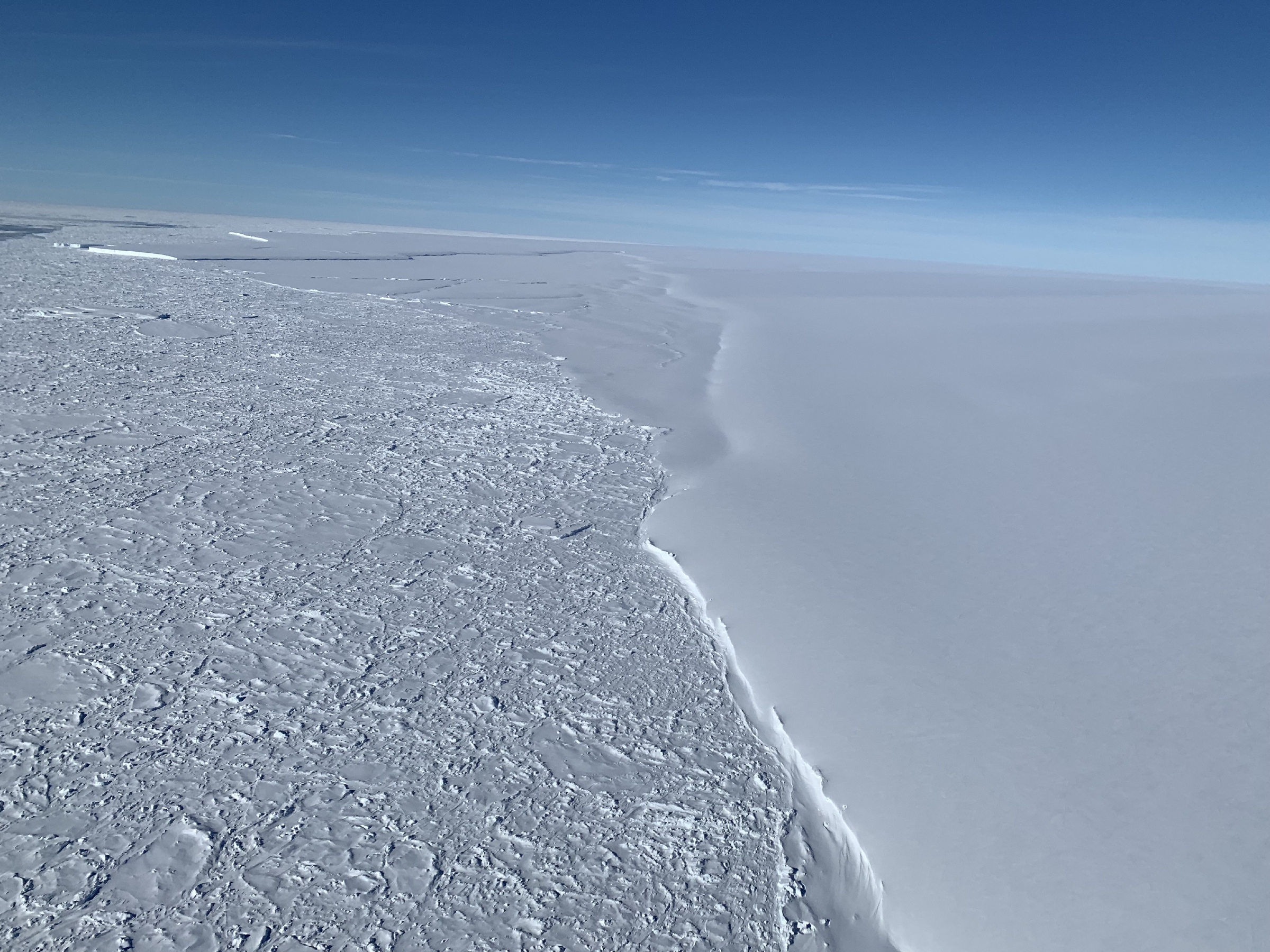
Our strategy and work streams to meet Net Zero goals