Adding water tracers to the UK Earth System Model
The project adds water tracers, including stable isotopes, to the UK Earth system model (UKESM2). These tracers follow water through the model’s hydrological cycle.

13 to 24 of 263 projects
The project adds water tracers, including stable isotopes, to the UK Earth system model (UKESM2). These tracers follow water through the model’s hydrological cycle.
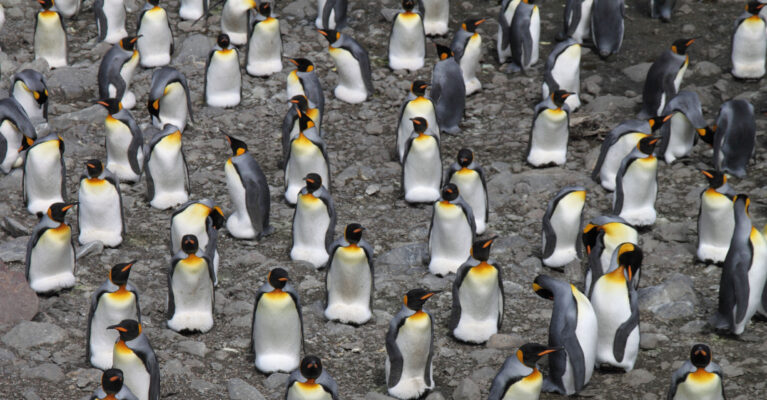
The AI for Earth Observation project develops machine learning tools to detect icebergs, sea ice, and wildlife from satellite imagery.
ANTARCTICA INSYNC brings together researchers from around the world including British Antarctic Survey to study the continent and the Southern Ocean at the same time.
Artificial Intelligence for Stable Isotope Tracers (AISIT) creates a standardised, machine-readable database of Arctic freshwater tracers.
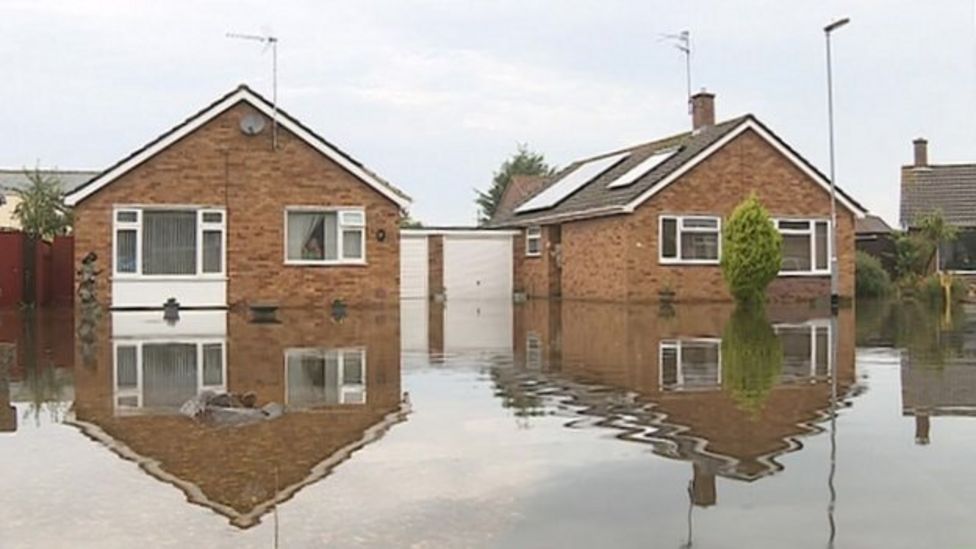
CANARI aims to advance understanding of the impacts on the UK arising from climate variability and change in the Arctic-North Atlantic region, with a focus on extreme weather and the potential for rapid, disruptive change.

CONSEC explores how climate change and human activity are transforming the Southern Ocean, guiding global science and conservation.
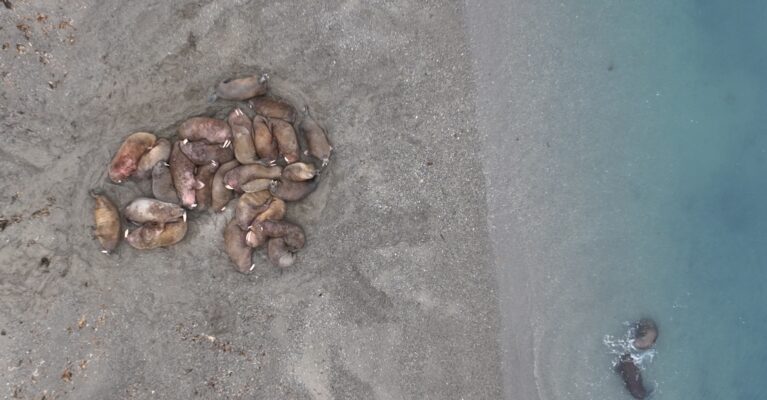
Despite their importance to Arctic ecosystems, we don’t know how many walruses exist. We’re using satellite images and citizen science to count walruses.
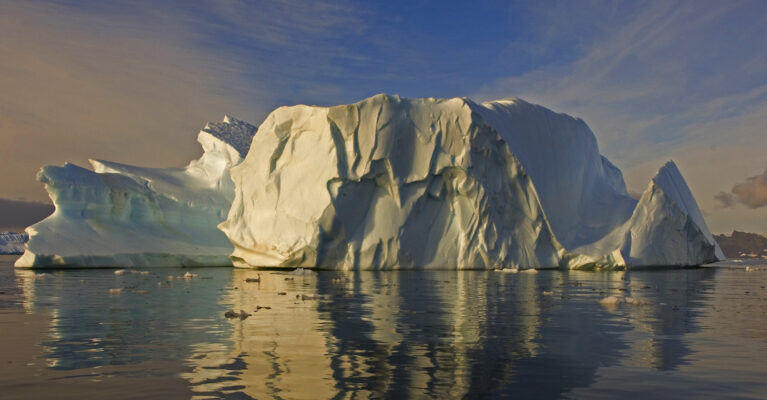
Eco-ICE studies whether making Arctic sea ice thicker could harm ocean life and creates tools to help decision-makers work out if climate projects are safe.
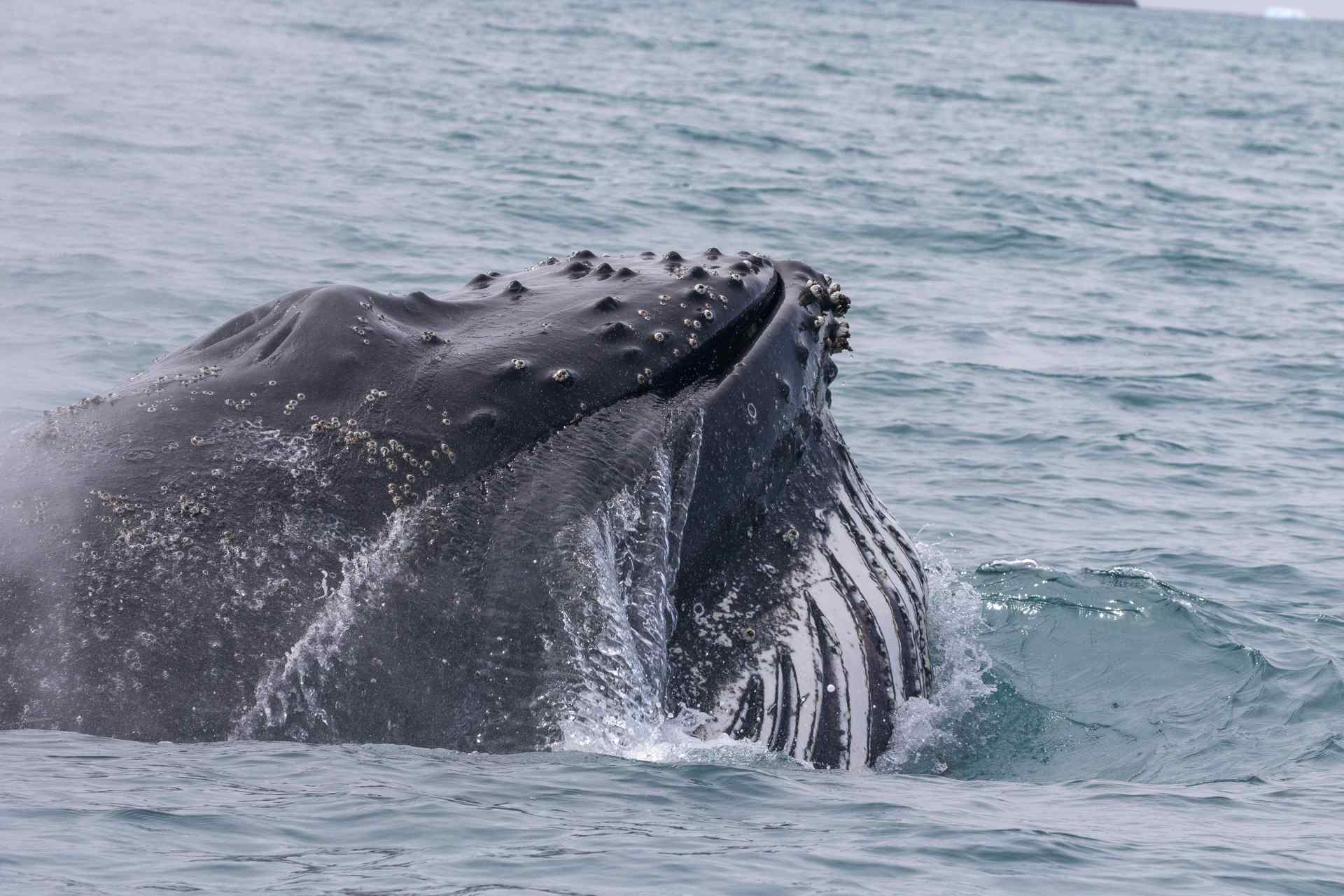
Hungry Humpbacks studied how humpback whales, the largest predators of krill in the region, fed at South Georgia.
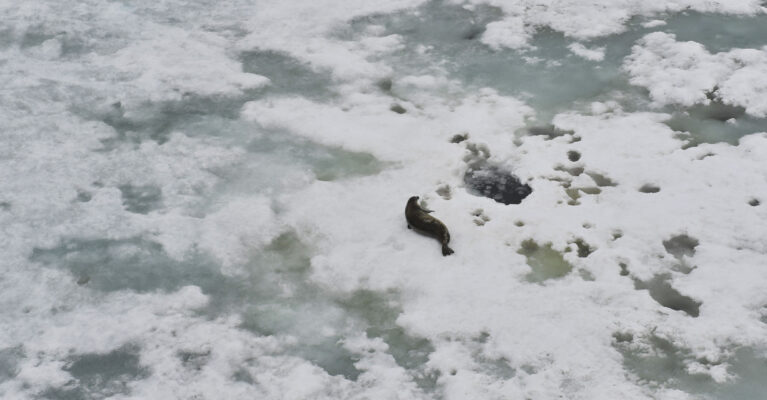
QUASAR uses AI to improve Antarctic sea ice measurements from satellites, making climate data more reliable for scientists tracking changes in polar regions.
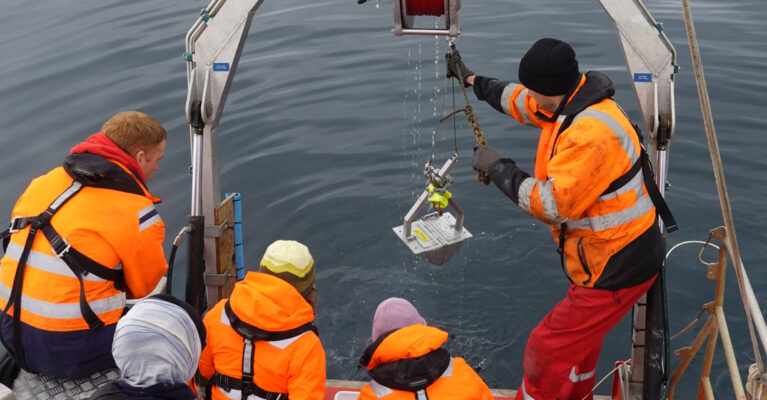
MACS looks at Antarctica’s rapidly changing seasonal sea ice. As the planet warms microalgae growing in ice and water are affected and this, in turn, affects our climate system.
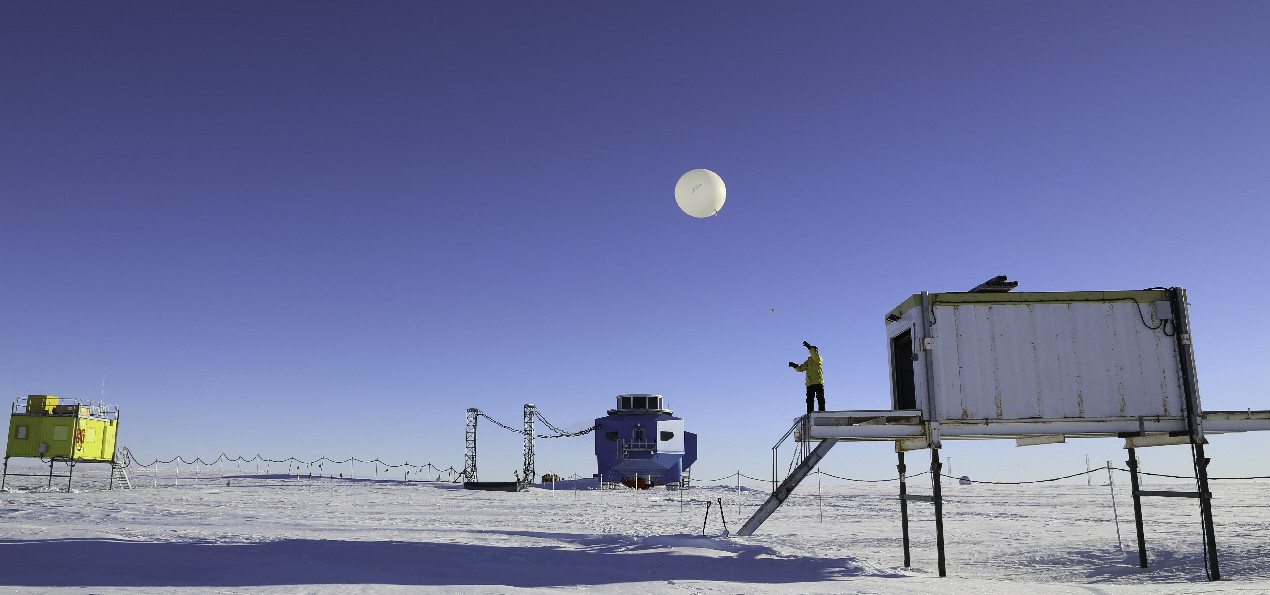
Long-term meteorological and ozone observations and data help determine the causes of climate change in the polar regions.