Research projects

A diver carrying out underwater science

Filter:

Showing: All projects

109 to 120 of 263 projects

  1. Geophysical Habitat of Subglacial Thwaites
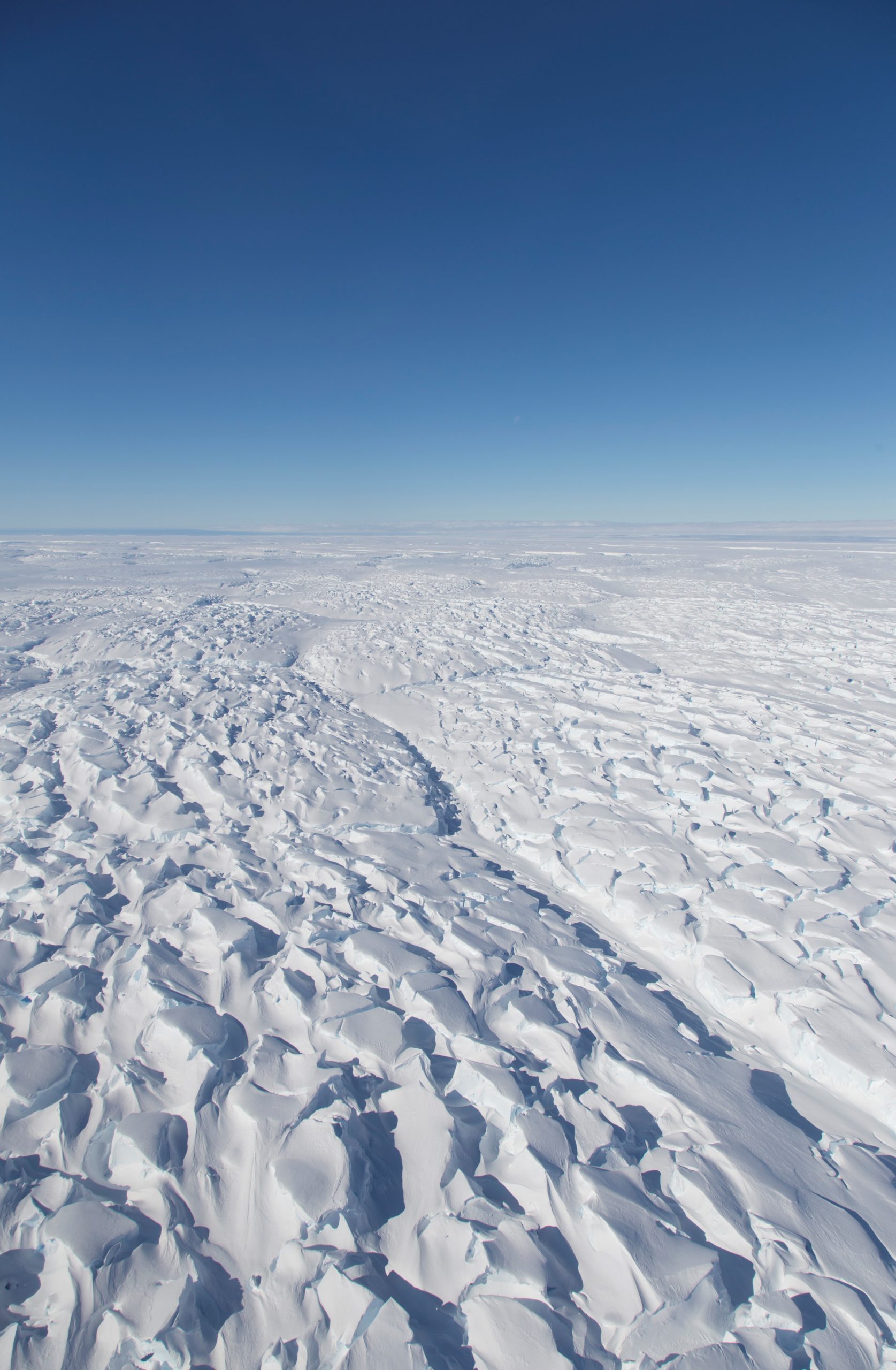
    A close up of a snow covered slope.

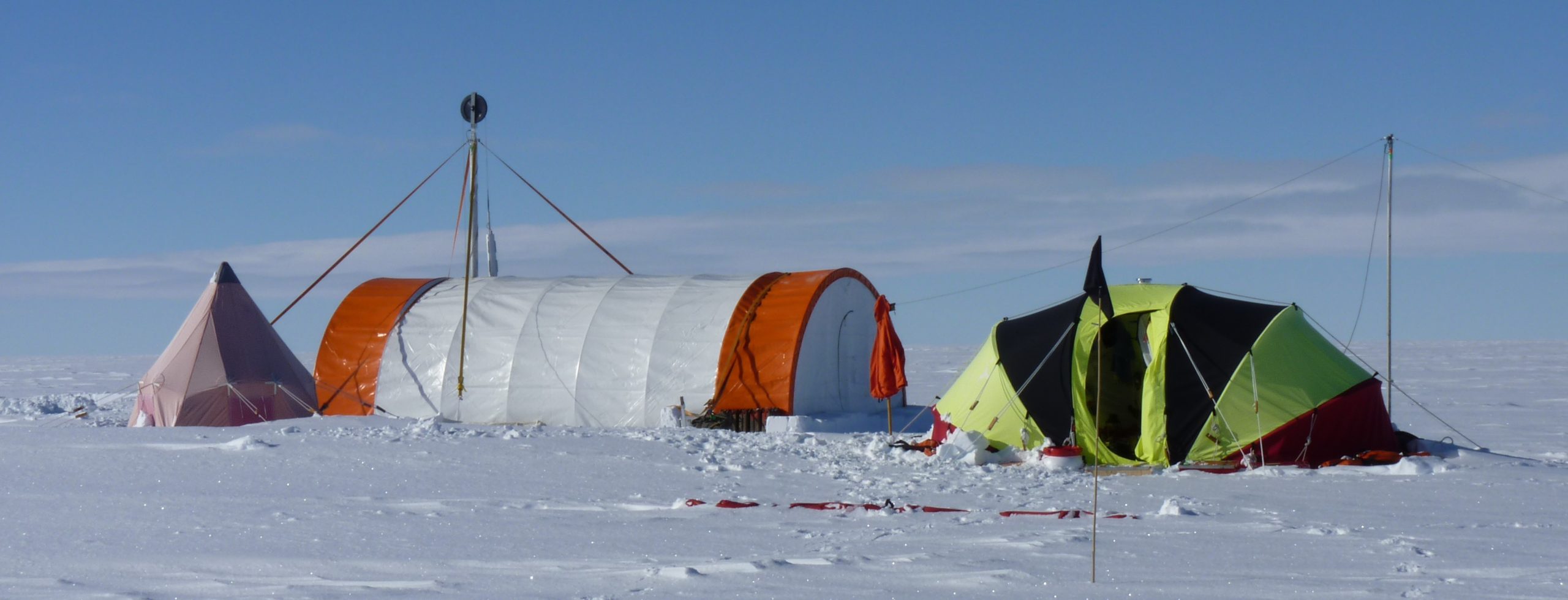
    GHOST is an ice-based project which will examine the bed beneath the Thwaites Glacier, to assess whether conditions are likely to allow rapid retreat, or if the retreat may slow or stop due to a ridge 70 km inland.
  2. GRADES-IMAGE

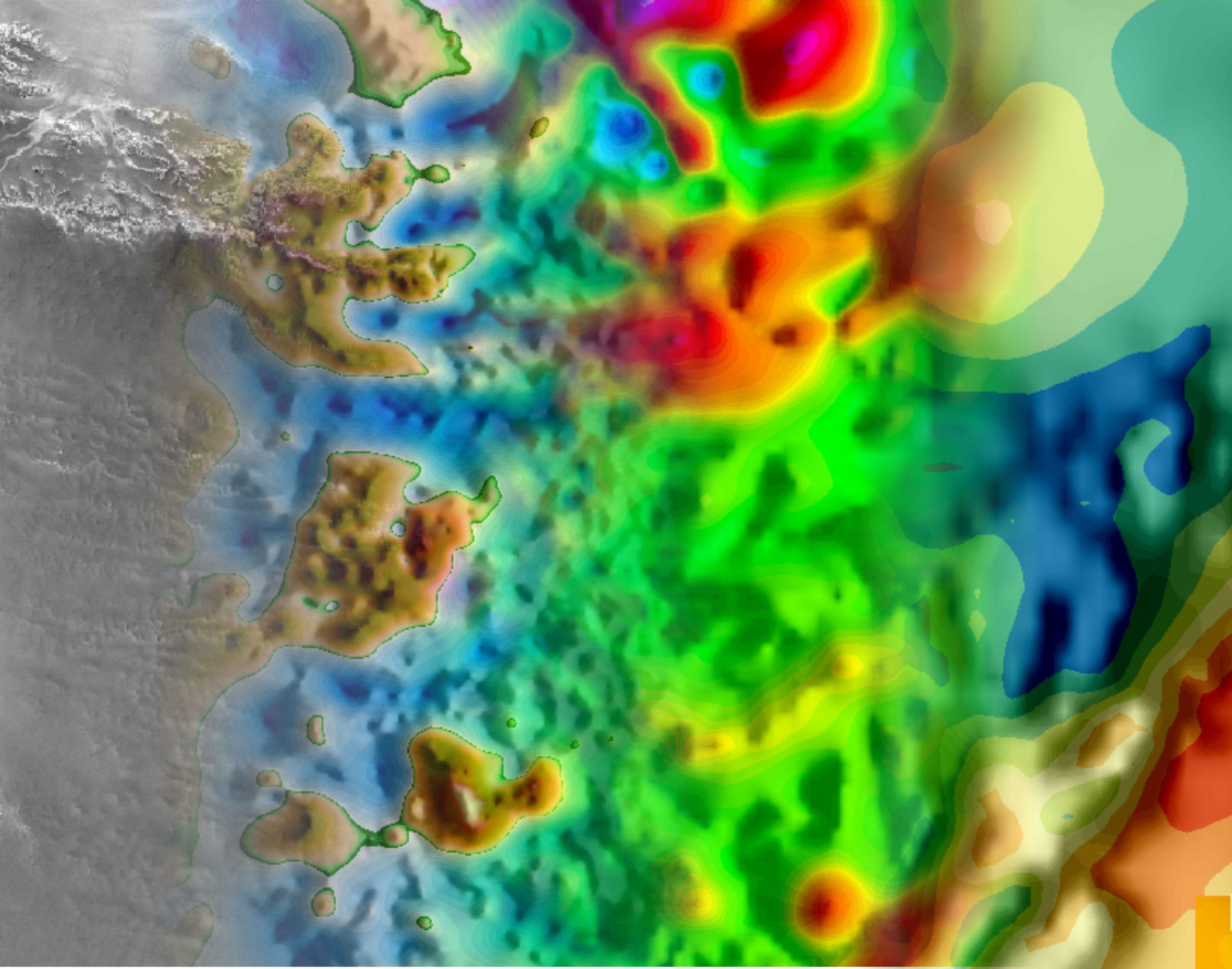
    A close up of a colorful background.

    The aim of this programme was to image englacial layering and bedrock topography over this sensitive catchment of the West Antarctic Ice Sheet and Antarctic Peninsula.

  3. Gravity waves over the Southern Ocean

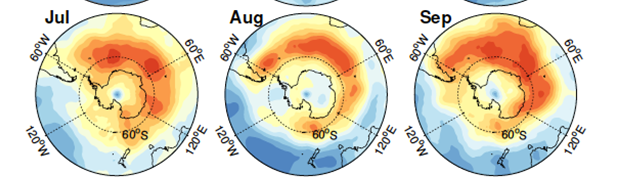
    Diagram.

    DRAGON-WEX used a novel 3D satellite analysis method combined with meteor radars at Rothera and King Edward Point to track how gravity waves influence atmospheric circulation.

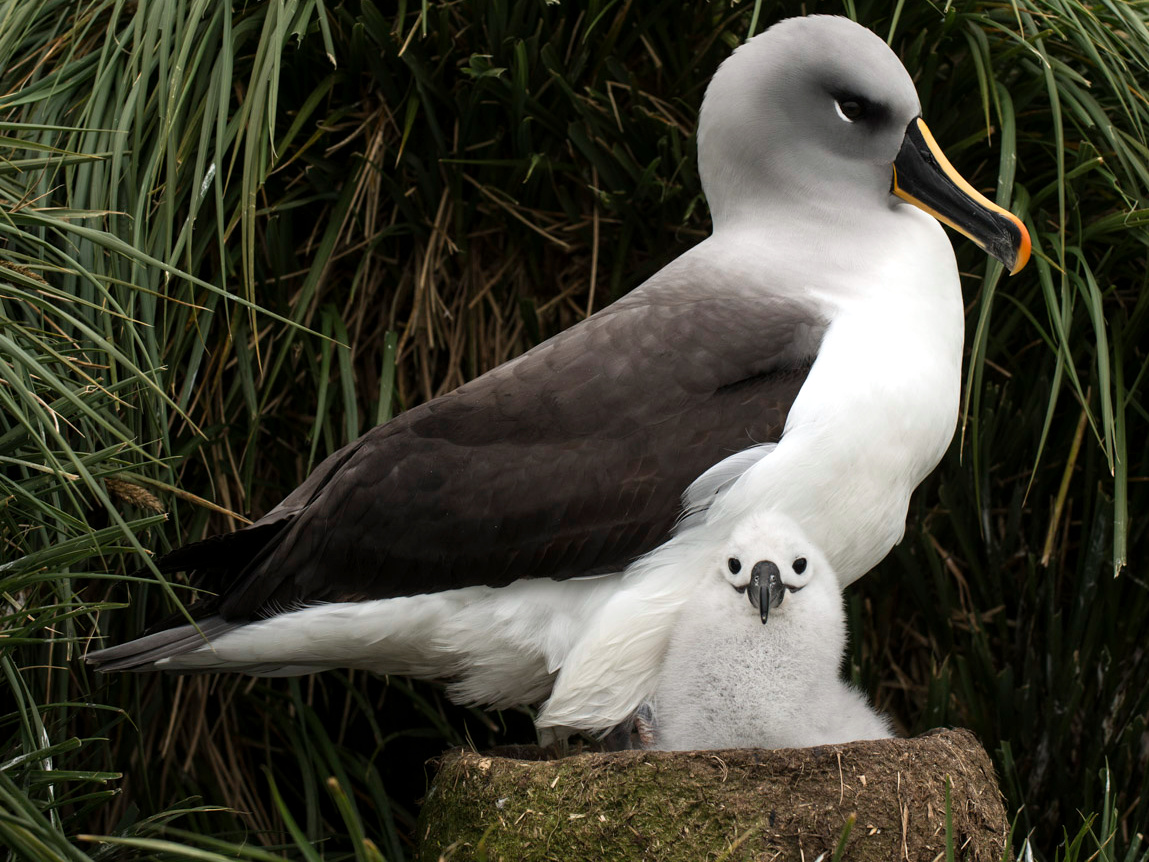
  4. Grey-headed Albatross Juvenile Tracking

    Grey-headed Albatross with chick

    This project maps the movements and foraging areas of juvenile albatross in order to determine the overlap with fisheries, and assesses the survival rate of juveniles in the initial weeks and months after they fledge.

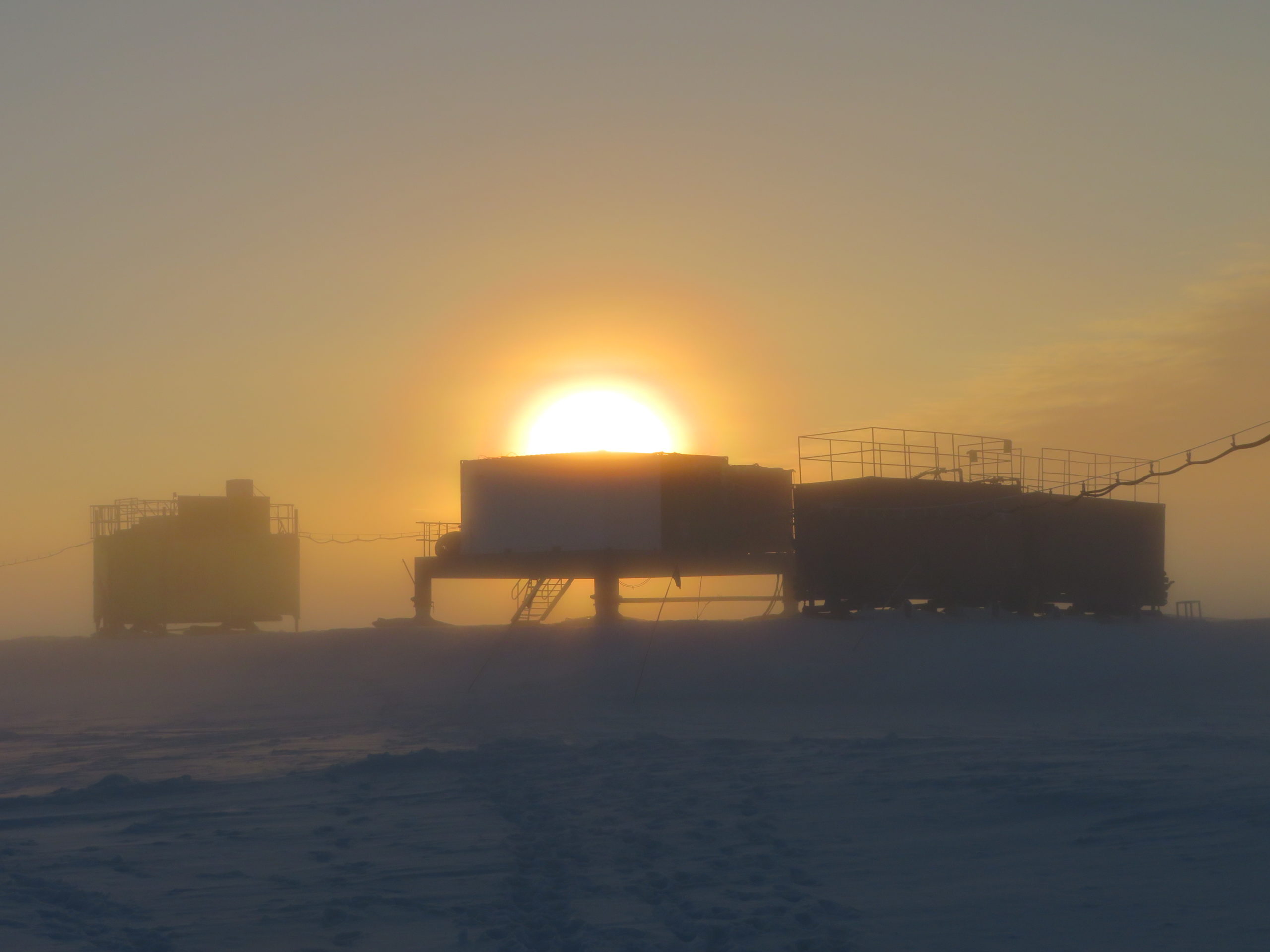
  5. Halley Automation

    A large ship in a body of water.

    This innovative, multi-year, project created a suite of autonomous scientific instrumentation around Halley Research Station, enabling data collection even when the station may be unoccupied.

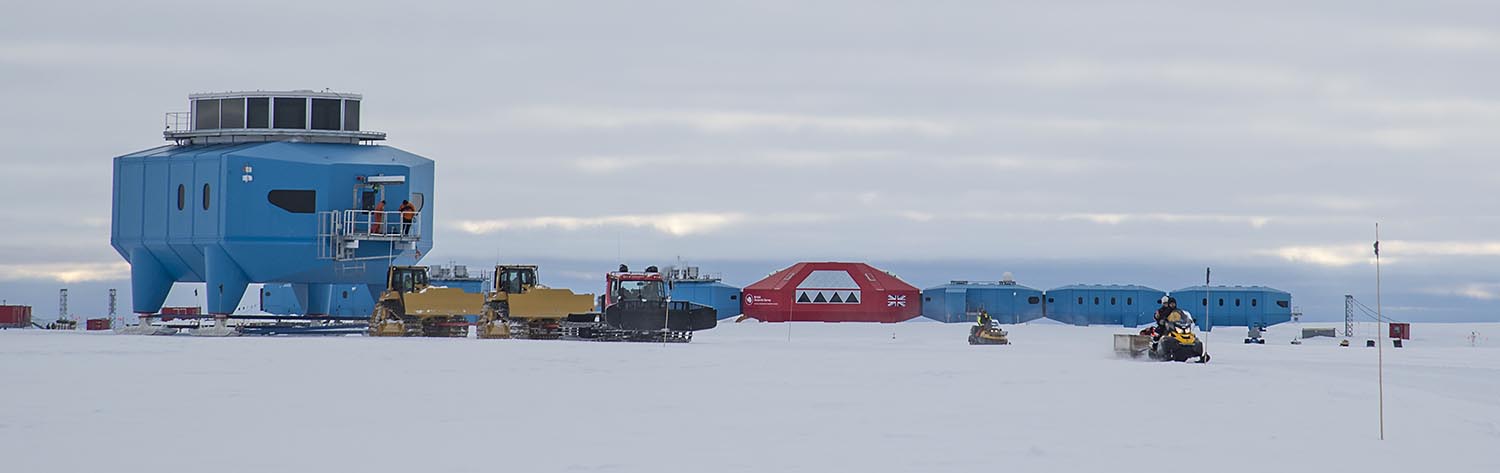
  6. Halley Research Station relocation

    Halley relocation

    In 2017 Antarctica’s first re-locatable research station was moved successfully 23 km inland to avoid the path of large cracks in the ice

  7. Herbarium Collection

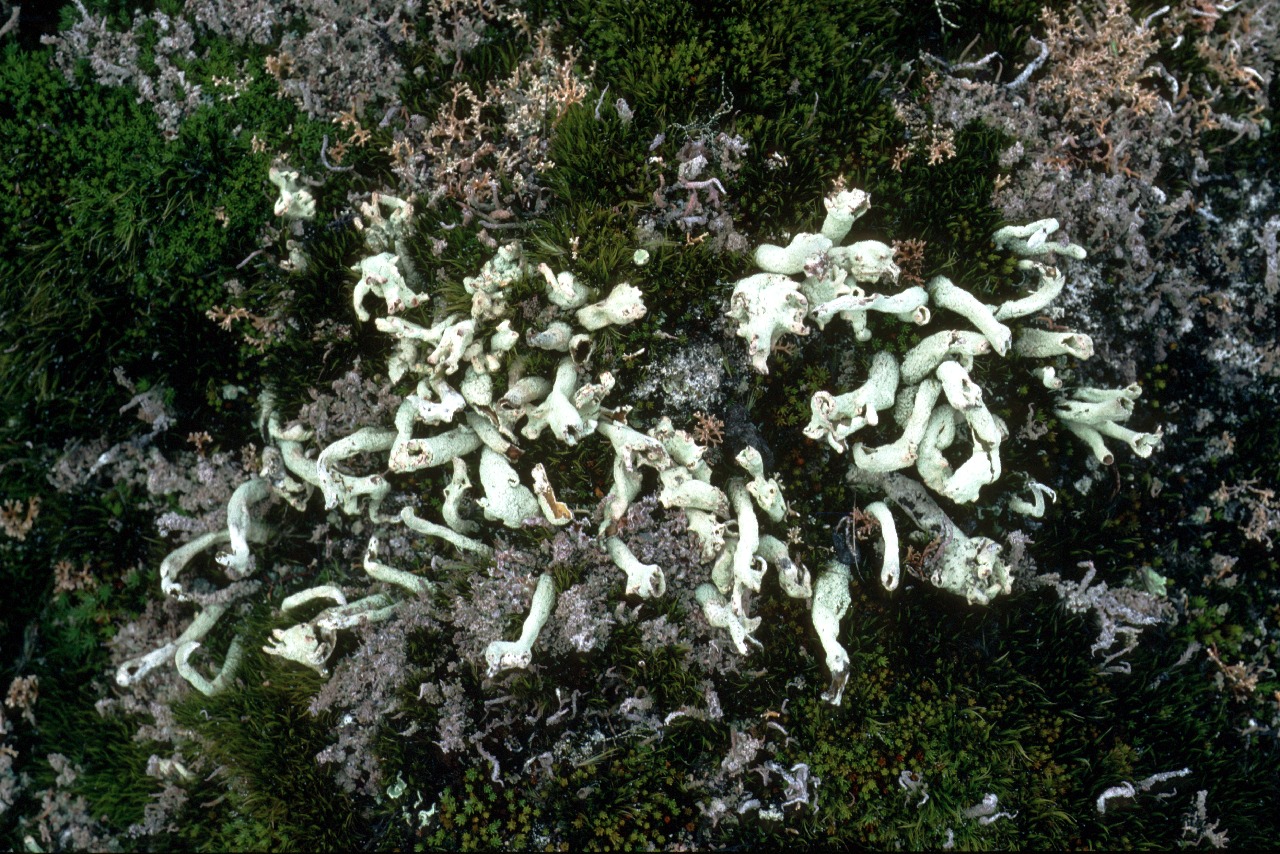
    A collection of dried plant specimens from the Antarctic, sub-Antarctic and surrounding continents.

  8. How melt ponds weaken the ice shelf

    A close up of a snow covered slope.

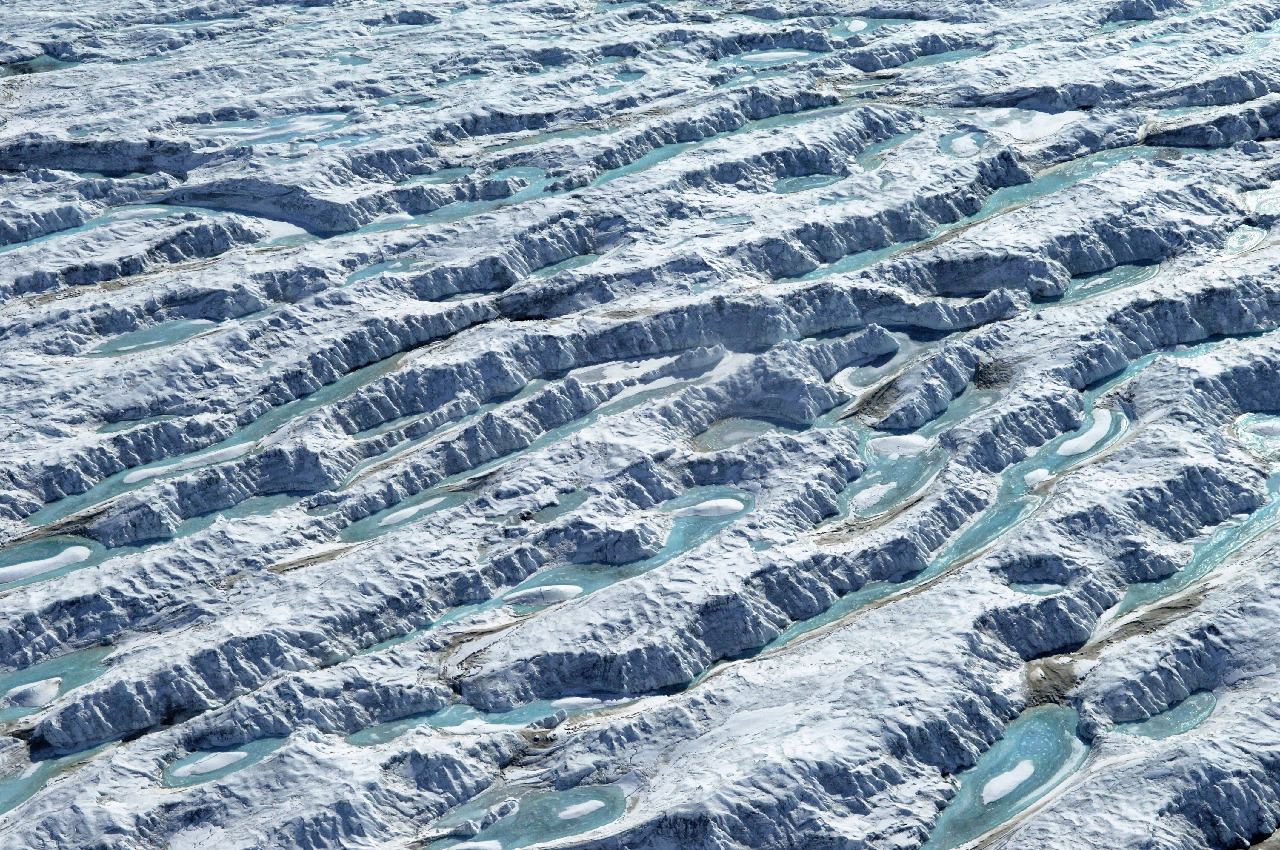
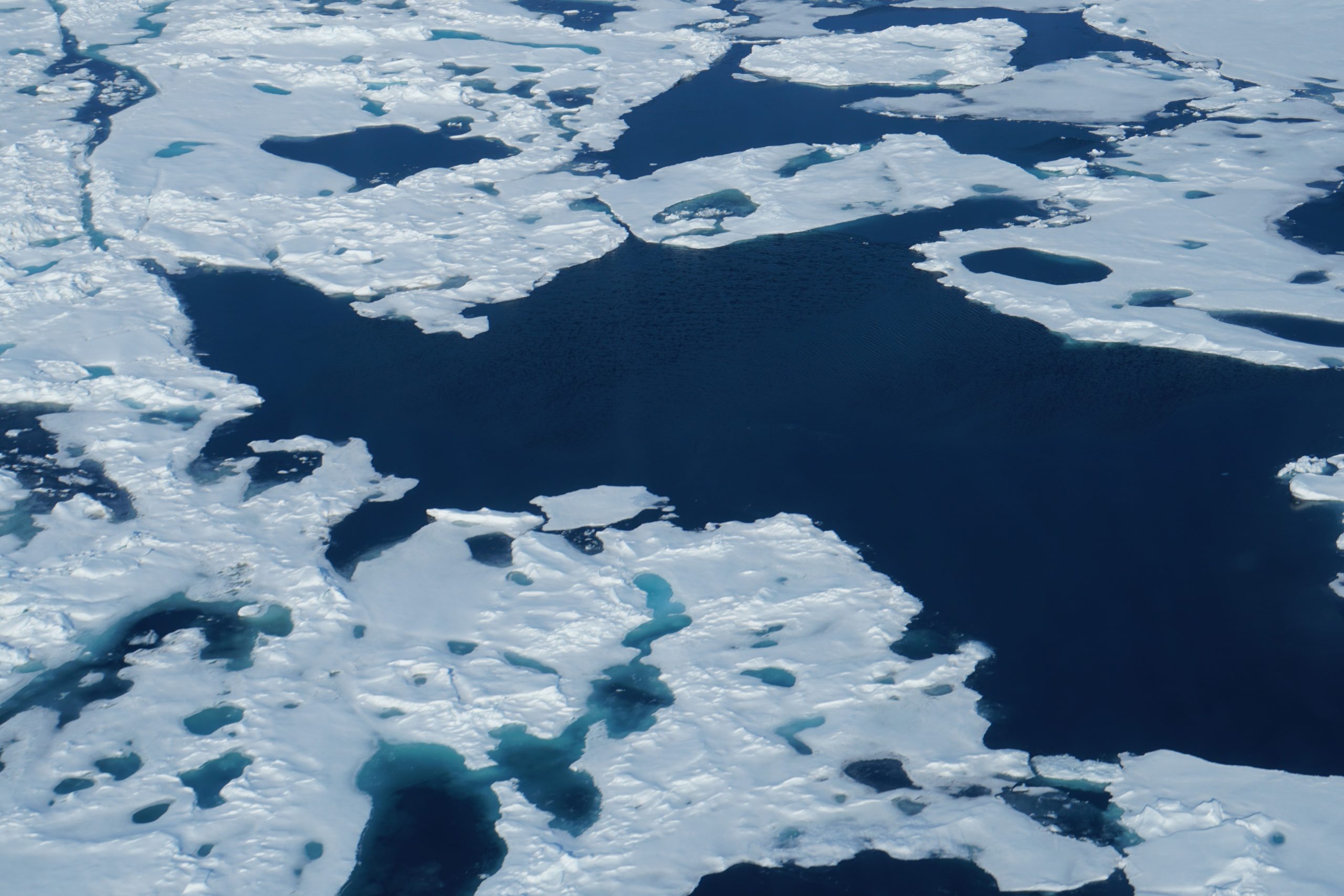
    MIDAS investigates how climate warming affects the Larsen C ice shelf in Antarctica. The project studies the formation of large summer melt ponds and their influence on ice shelf structure and stability. Fieldwork, satellite observation, and computer simulations are used to understand these processes.