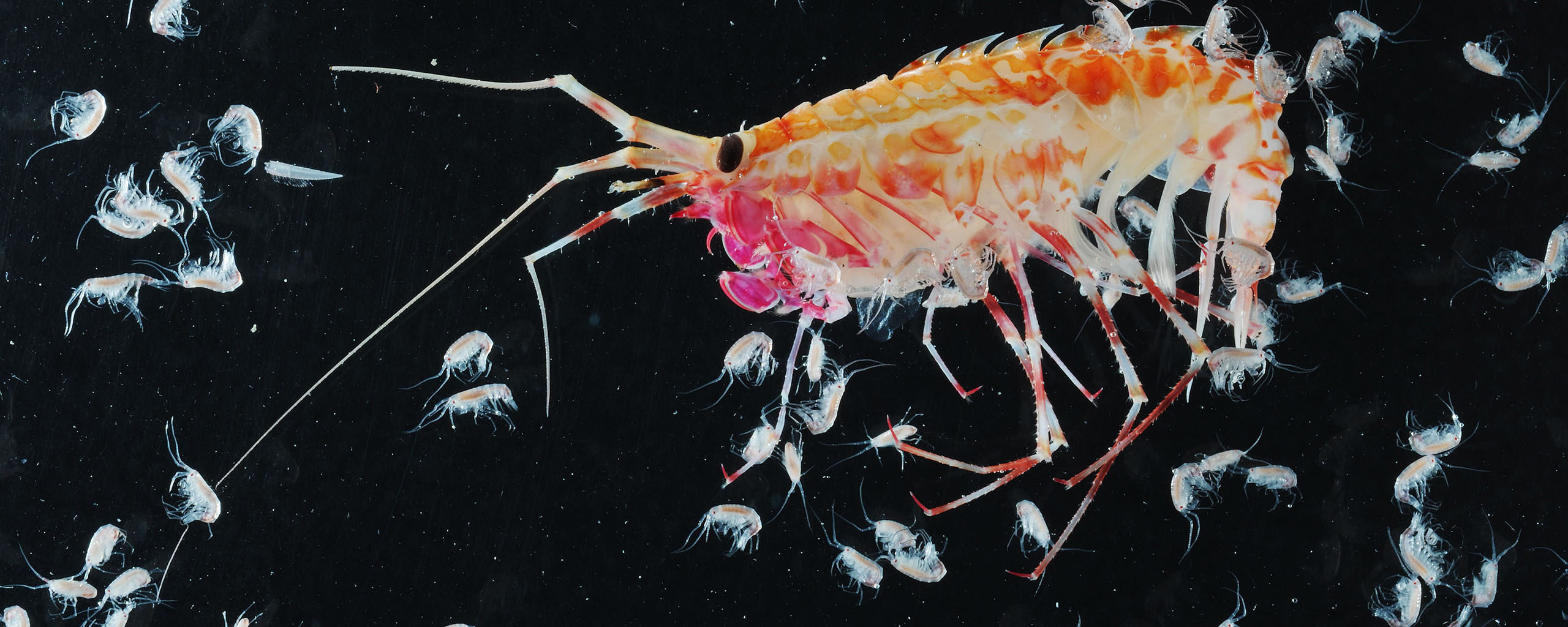
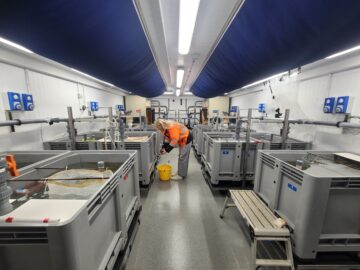
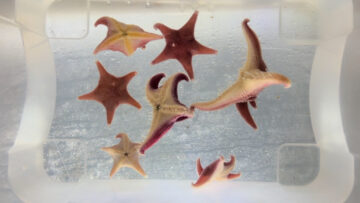
This project studies how Antarctic aquatic ectotherms — animals whose body temperature depends on their environment — survive in freezing waters.
Researchers are comparing Antarctic species, such as amphipods and gastropods, with related species from subantarctic Chile.
By looking at how these animals respond to temperature, the team will learn whether the unique adaptations of Antarctic species make them more vulnerable to warming than species from lower latitudes.
The research also explores whether these adaptations stop non-native species from becoming established in Antarctic waters.
Why this matters
Invasive species are one of the main causes of biodiversity loss around the world.
So far, very few non-native species live in Antarctic seas.
One reason could be that Antarctic conditions require specialisations for extreme cold that make it difficult for others to survive there. As the climate warms, these temperature barriers may weaken.
If that happens, subantarctic species could begin to move south and compete with native Antarctic species.
Understanding these temperature limits will help predict how Antarctic marine life may change in the future.