
Science Leader
BAS Science Strategy Executive Group, Space Weather and Atmosphere team

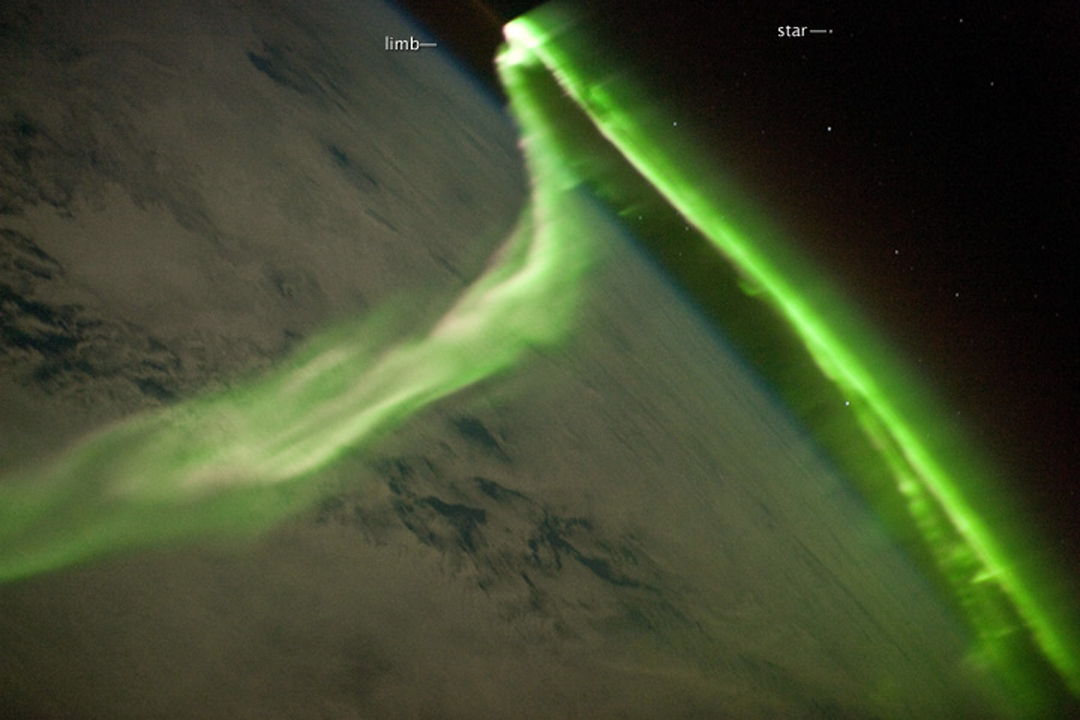
Certain ground based technologies, such as electrical power grids, pipelines and railways are susceptible to the effects of Space Weather. Changes in the way the magnetic fields of the Sun and Earth interact with each other will drive electrical currents in the upper atmosphere; these varying currents will induce a varying magnetic field at ground level, which in turn leads to Geomagnetically Induced Currents (GIC) to flow to and from the ground through the networks named above.
GIC can disrupt the safe operation of power transformers and lead to increased rates of corrosion in pipelines. The potential cost of these effects of severe space weather is estimated to be in the billions of dollars per day! This hazard from space weather relies on
several factors
To properly understand GIC and provide a means of mitigating against them, requires addressing all of these factors with a multi-disciplinary approach and for scientists to work with the relevant indutries.
SWIGS is a £3M, four year NERC funded consortium of 10 institutes, 21 researchers and 7 post-docs. The consortium is led by the British Geological Survey (BGS) and brings together space physicists, solid-Earth geophysicists and upper atmospheric scientists. It involves expert project partners from around the world and works with key industries.
The BGS SWIGS project page is here
SWIGS is split into five cross-cutting work packages designed to address specific project aims.
BAS leads Work Package 1 in collaboration with partners at RALSpace and MSSL and is involved in work package 3.
Work package 1 focuses on one link in the Space Weather to GIC chain, particularly on the sources that drive GIC within the Earths near-space environment. The three main questions that this work package will answer are:
These questions will be answered using data collected by spacecraft operated by the European Space Agency, NASA, and others, and from international networks of instruments on the ground. The outcome will help focus work on developing models and other tools to forecast and mitigate the effects of GICs on the National Grid and other electricity supply networks around the world.
Science Leader
BAS Science Strategy Executive Group, Space Weather and Atmosphere team
Atmospheric Physicist IMP 3

Middle Atmosphere Vertical Coupling Analys