Atmospheric Scientist

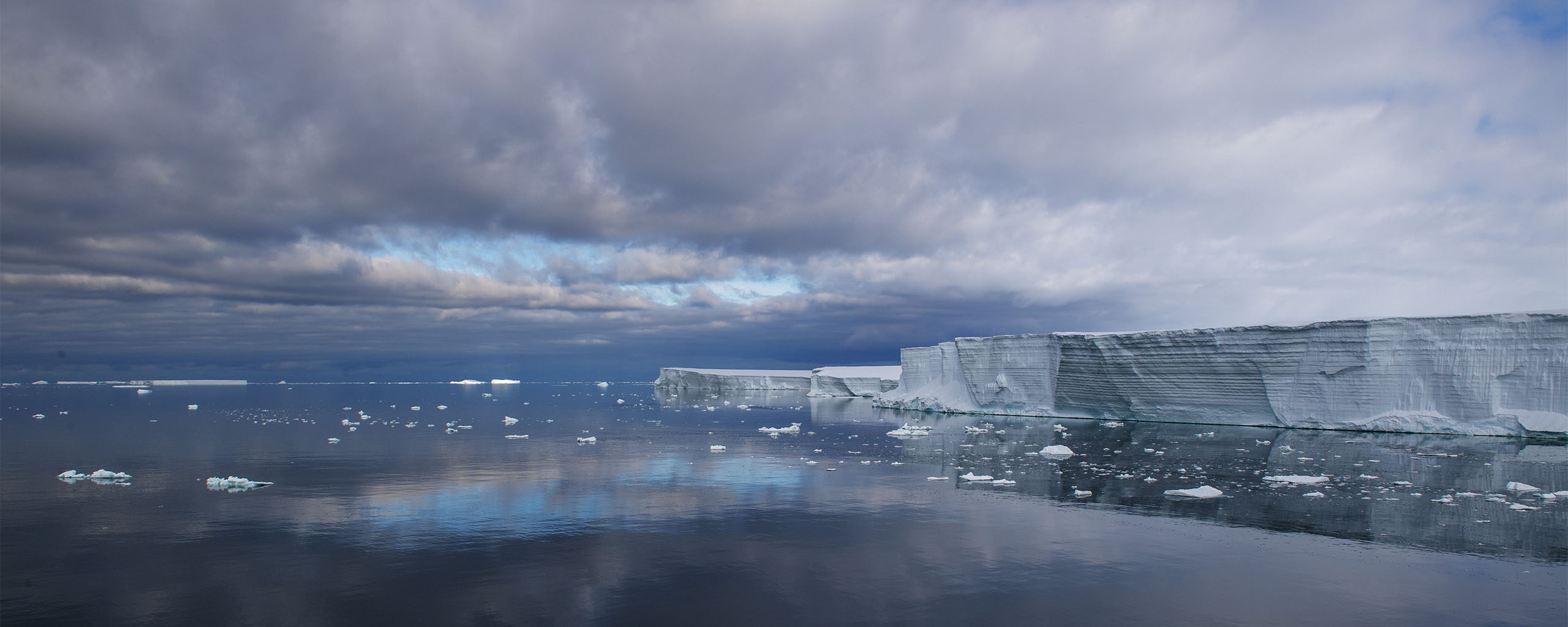
Southern Ocean Clouds (SOC) investigates the large positive bias in sea surface temperature and downwelling shortwave radiation in climate models due errors in the representation of mixed-phase clouds (clouds which contain a mixture of water droplets and ice crystals, and typically form where the air temperature is below zero) within these models over the high latitudes of the Southern Ocean. SOC combines new observations, lab studies and modelling to improve how these clouds are represented in climate models.
SOC helps to:
The Southern Ocean is one of the cloudiest places on Earth and these clouds play a critical role in our climate system, affecting how much sunlight reaches the Ocean surface, and the heat that escapes back into space. However, these clouds aren’t well represented in climate models. By improving our understanding of these clouds, scientists can make more accurate forecasts for scientists and policymakers.
SOC’s approach includes:
“We’re particularly interested in the aerosol particles that act as ice-nucleating or cloud condensation nuclei,” explains the SOC project lead, Dr Tom Lachlan Cope.
“These particles are essential for cloud formation; and their composition, size, and can significantly impact cloud properties and behaviour.”
SOC is part of the Natural Environment Research Council CloudSense programme that is investigating Uncertainty in climate sensitivity due to clouds. It brings together experts in cloud physics, atmospheric science, and climate modelling from UK and international institutions.
The team works closely with the CloudSense community to share results and link them into global research.
SOC aims to:
These objectives target the largest regional errors in current models.
Atmospheric Scientist
Atmosphere Ice and Climate Dep Science Leader

Airborne Instrumentation or Atmospheric Scientist
Electronics/Instrument Engineer
Atmospheric Chemistry Instrument Scientist

Programme Support Manager
External collaborators
Keith Bower – University of Manchester
Jo Browse – University of Exeter
Valerio Ferracci – Cranfield University
Neil Harris – Cranfield University
Dan Partridge – University of Exeter
Ian Renfrew – University of East Anglia
David Topping – University of Manchester
A project looking at how clouds affect climate change in Antarctica starts its second year of field research this month. The Southern Ocean Clouds (SOC) project, which is part of the CloudSense programme, will carry out research on the RRS Sir David Attenborough and at Rothera Research Station in Antarctica.
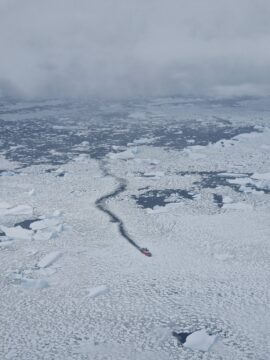
The Antarctic field season has started, with over 600 people beginning the journey South to work on over 60 projects on station and in the field.
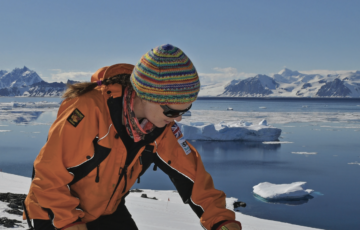
The 2022/23 Antarctic field season has ended, marking the conclusion of another successful year of scientific exploration in one of the world’s most remote and challenging environments. This field season, […]
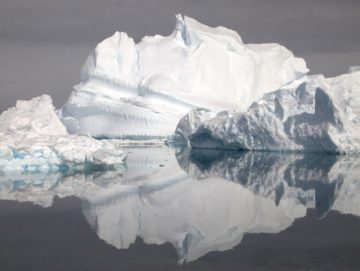
A team of scientists are currently conducting a major experiment over the Southern Ocean that will help to improve climate modelling. The Southern Ocean Clouds project team are performing several […]
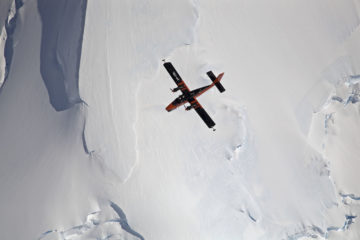

The largest British Antarctic facility is a centre for biological research and a hub for supporting deep-field science.
The Bird Island Research Station focuses on the long-term study of seabirds and seals in one of the world’s richest wildlife sites.
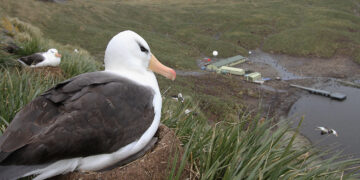
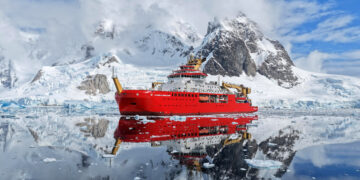
Our state-of-the-art polar science ship provides scientists access to remote and challenging marine environments across the Antarctic and Arctic.
Sampling clean air
The Twin Otter is a high-wing, twin-engine, turbo-prop aircraft. They are used all over the world and are known for their rugged construction, reliability and short take-off and landing performance.