Ocean Climate Scientist

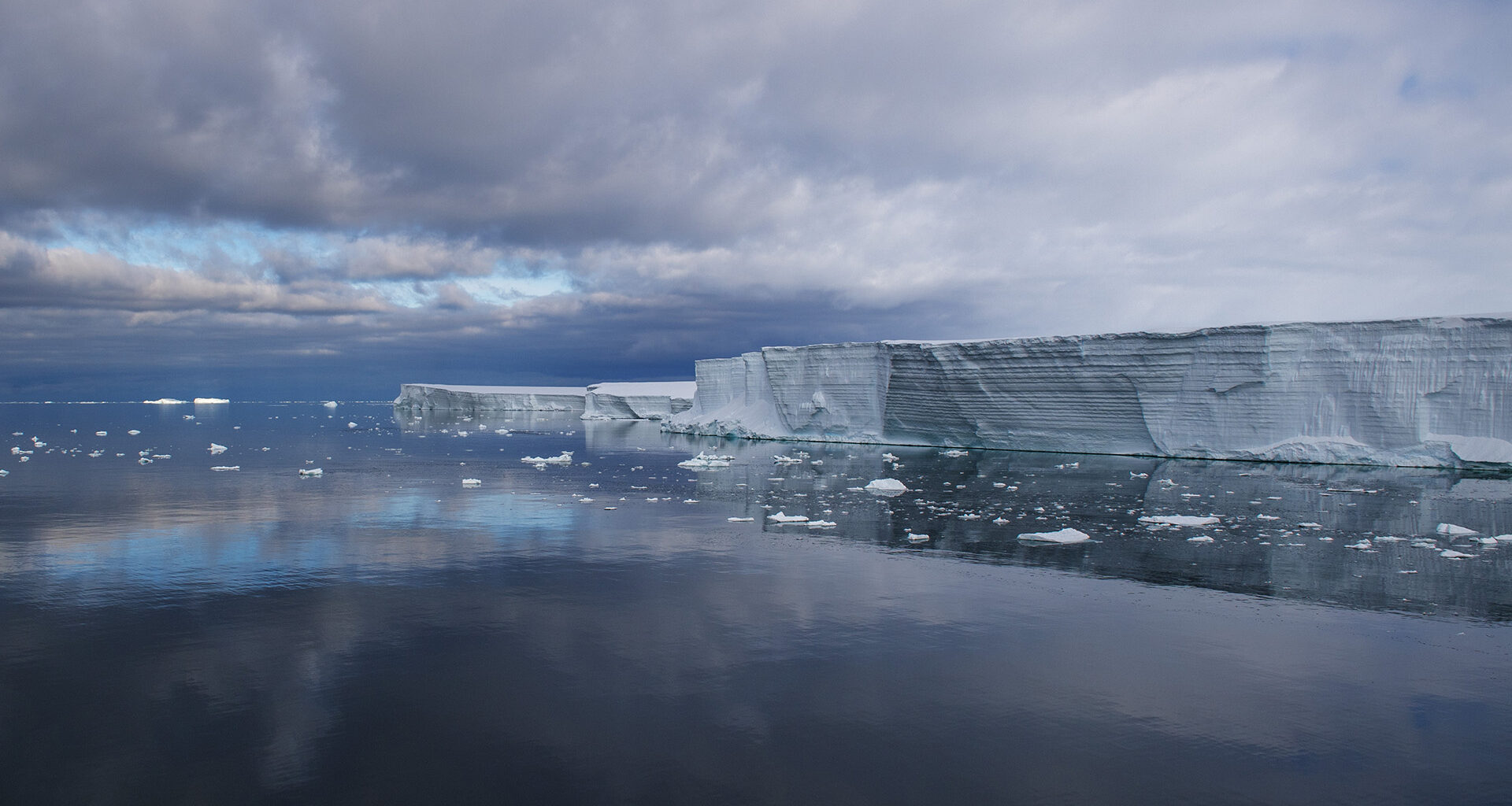
Silicon CycLing IN Glaciated environments (SiCLING) studies nutrient cyclingin polar environments and how these cycles are impacted by climate change.
Diatoms are an important type of microalgae in these ecosystems. They build tiny shells from silica and rely on dissolved silicon (DSi) to grow.
To understand the impacts of climate change, we need to know what controls DSi in nearshore, shelf, and open-ocean waters.
Polar regions are warming faster than the global average. Extreme warming events and ice melt are becoming more frequent. These changes affect marine ecosystems, carbon flow, and resources like fisheries.
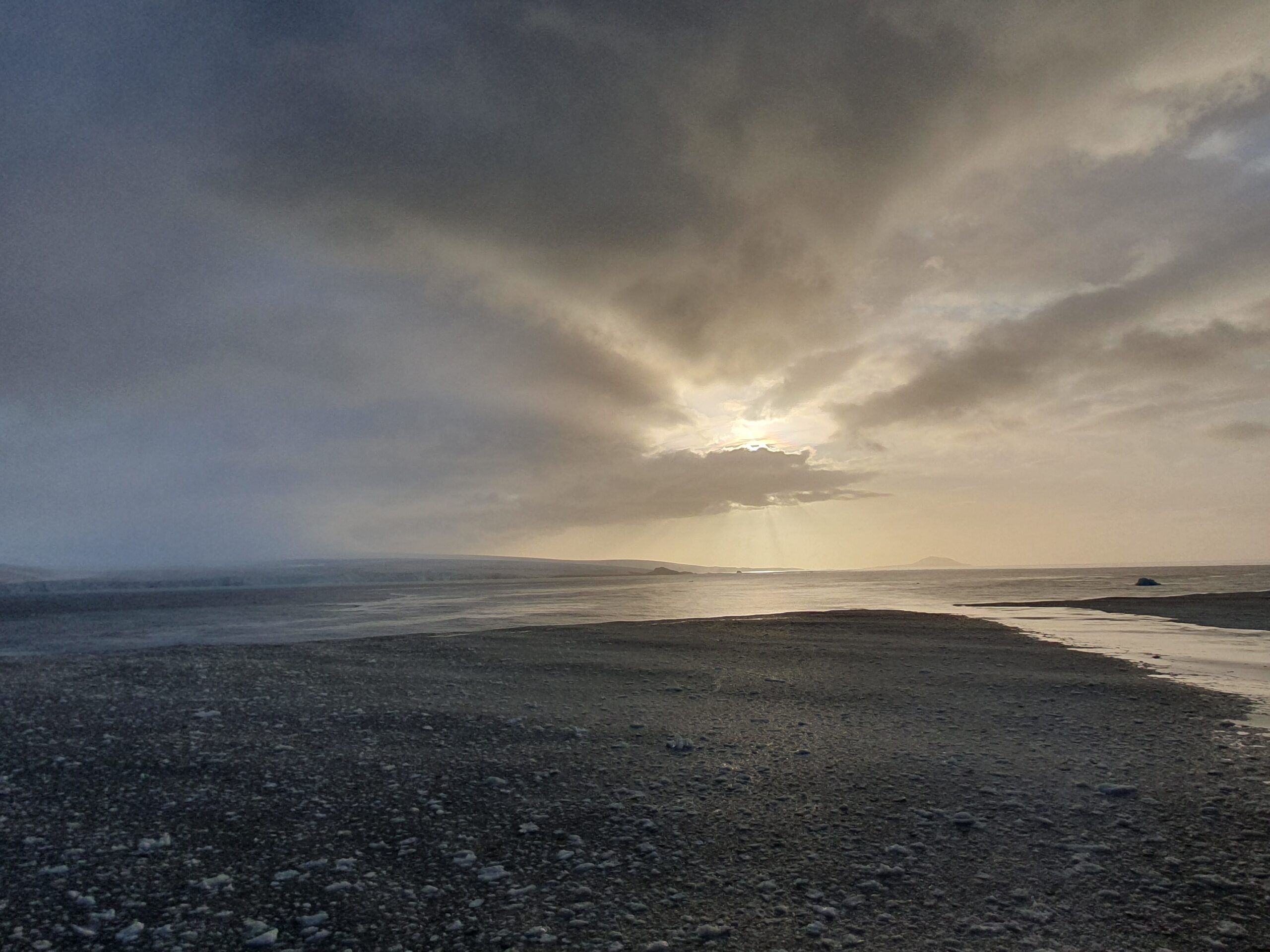
Glacial fjord off the West Antarctic Peninsula (Credit: Kate Hendry)
SiCLING compares silicon cycling in the Arctic and Antarctic.
In the Arctic, the amount of DSi reaching surface waters largely controls diatom growth and carbon fixation during the productive summer months.
Around Antarctica, nutrient-rich shelf waters mix with the open ocean and flow downstream through the Antarctic Circumpolar Current, supplying nutrients to the Southern Ocean and beyond.
Glaciers are a major source of DSi and reactive silica particles (ASi).However, we do not yet fully understand how DSi and ASi leave glaciated fjords.
SiCLING studies how silicon and metal cycles in glacial sediments affect the flow of nutrients into polar coastal waters and beyond.
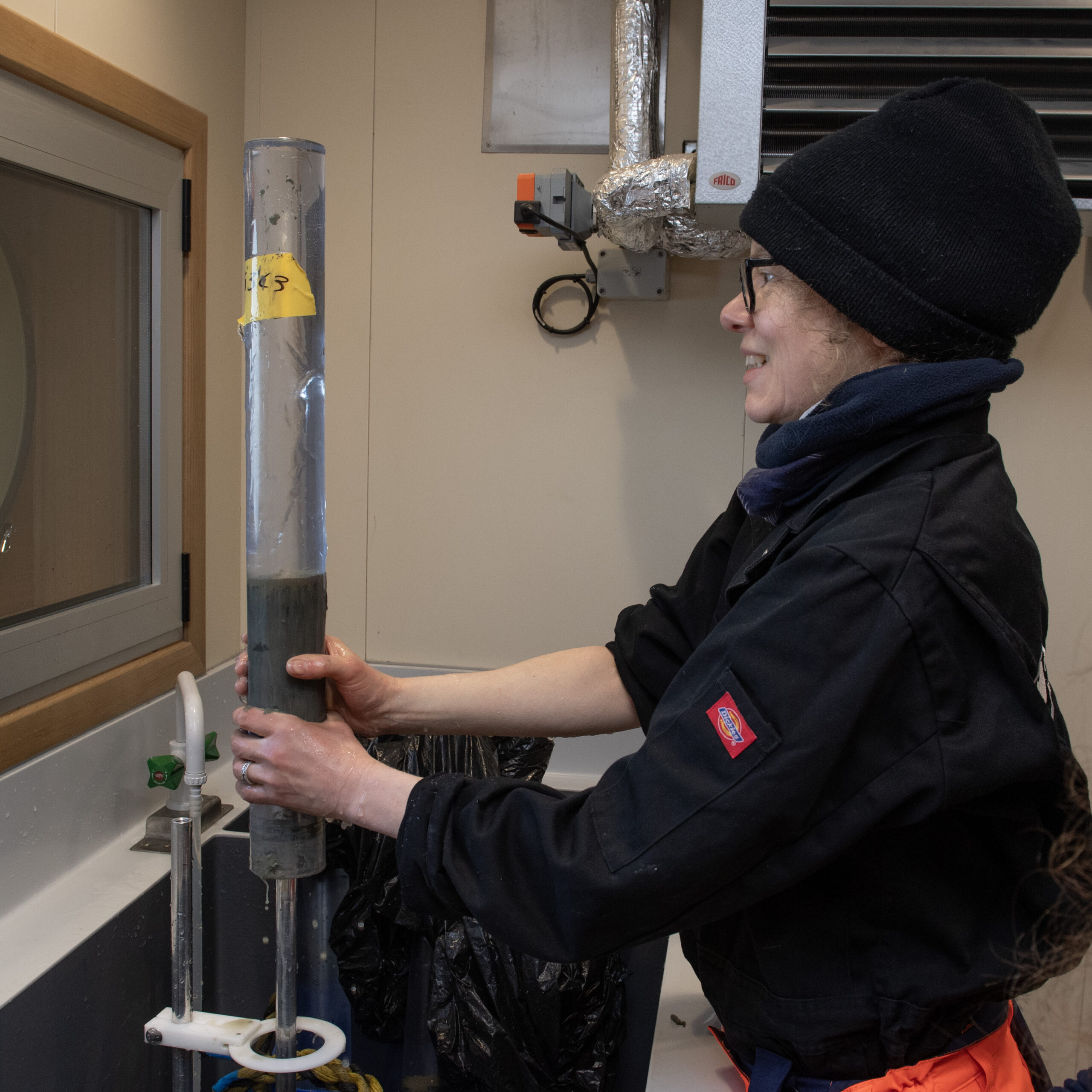
SiCLING project, shallow core analysis in the wet laboratory onboard RRS Sir David Attenborough
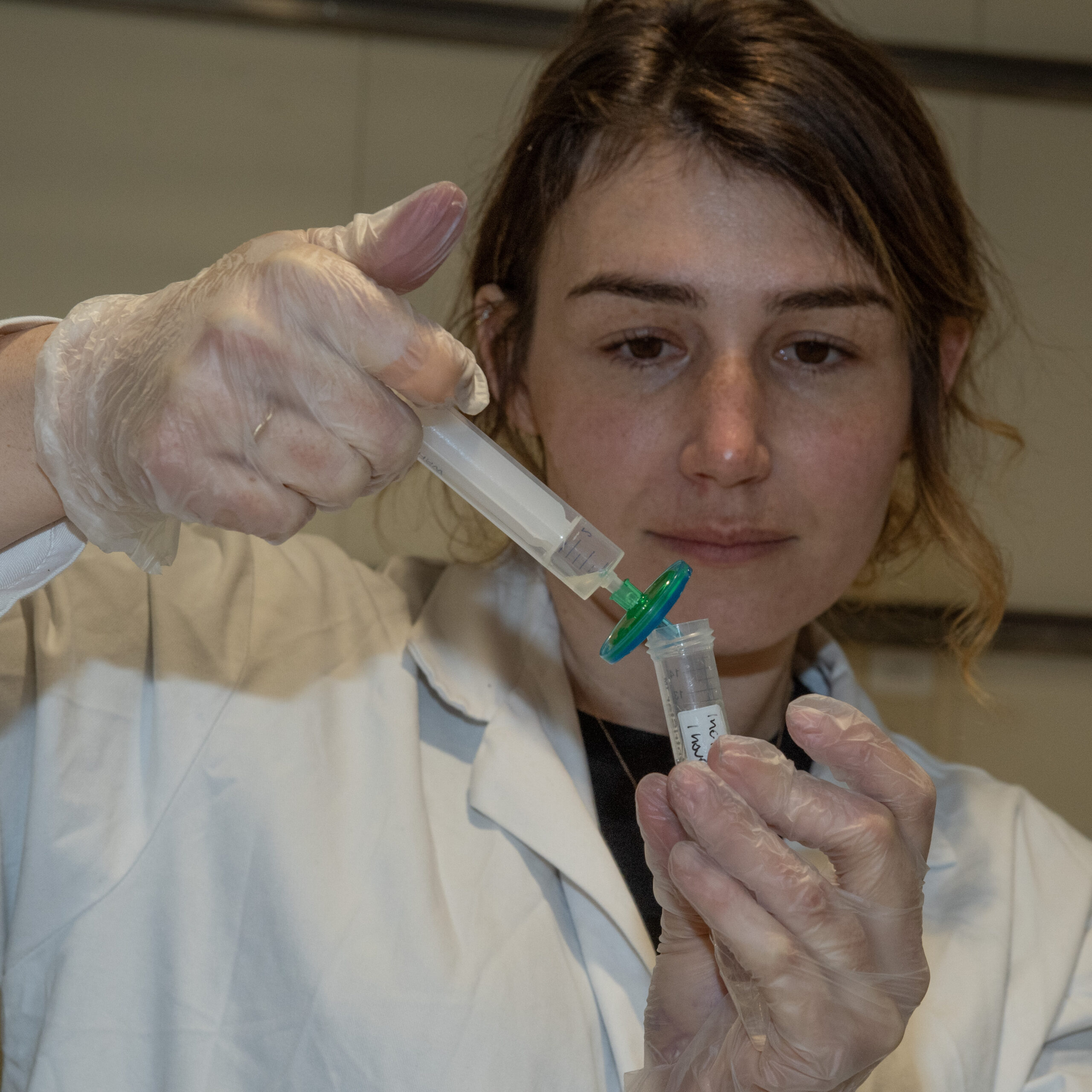
SiCLING project, shallow sediment core analysis in the wet laboratory onboard RRS Sir David Attenborough
SiCLING will:
Measure how much silicon glaciers supply to polar oceans and identify other important sources
Study how silicon and metals move through glacial sediments in Arctic and Antarctic fjords
Track how silicon travels from glaciers through coastal waters into the open ocean
Predict how climate change will affect silicon supply and diatom growth in polar regions
Understand how changes in silicon availability will impact ocean life, carbon storage and fisheries
Compare how silicon cycling works differently in the Arctic and Antarctic, and what this means for ocean ecosystems
This work will help us understand how melting glaciers affect ocean life in polar regions and around the world.
We can talk about project impact here
Ocean Climate Scientist
Science Leader IMP 3
Pelagic Ecologist
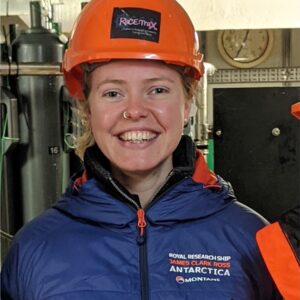
Biogeochemist

Biogeochemistry Laboratory Technician
Researchers from the University of Cambridge’s Earth Sciences department are contributing expert knowledge in isotope geochemistry, supporting the analysis of seawater and sediments.
You might imagine glaciers as vast, cold, and lifeless rivers of ice, but they’re far more dynamic and alive than we once thought.
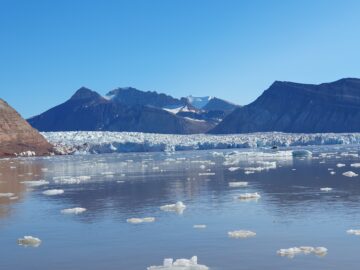
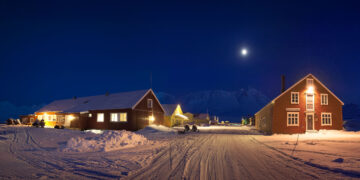
The UK’s only Arctic Research Station, also known as ‘Harland-Cox Huset’, is situation in the international research community of Ny-Ålesund, on Svalbard.
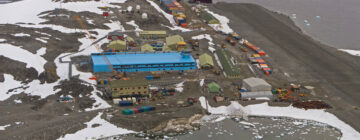
The largest British Antarctic facility is a centre for biological research and a hub for supporting deep-field science.
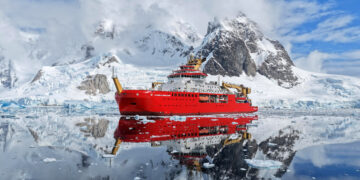
Our state-of-the-art polar science ship provides scientists access to remote and challenging marine environments across the Antarctic and Arctic.