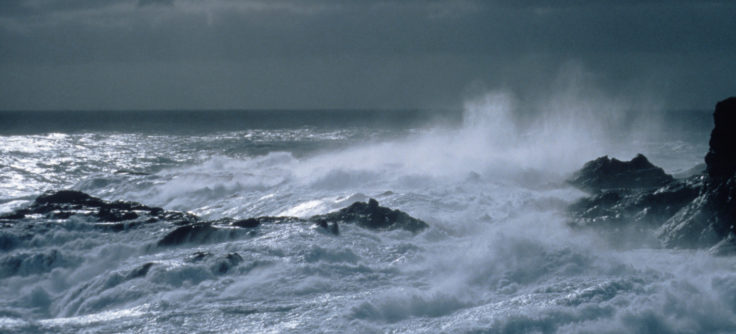
Ocean forcing of ice-sheet change
The OFIC project studied how ocean heat drove ice loss in rapidly retreating parts of the Antarctic ice sheet.

169 to 180 of 303 results
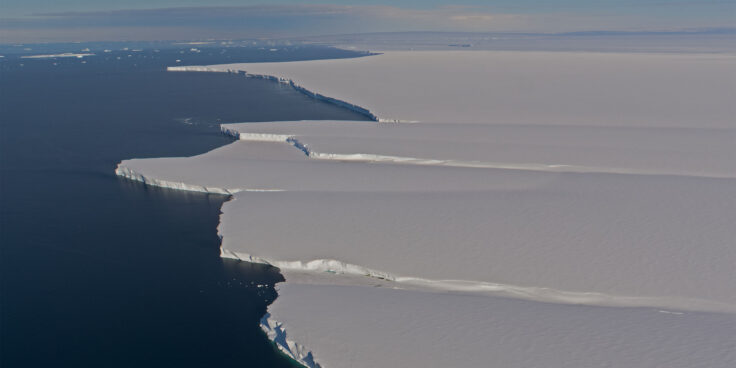
The OFIC project studied how ocean heat drove ice loss in rapidly retreating parts of the Antarctic ice sheet.
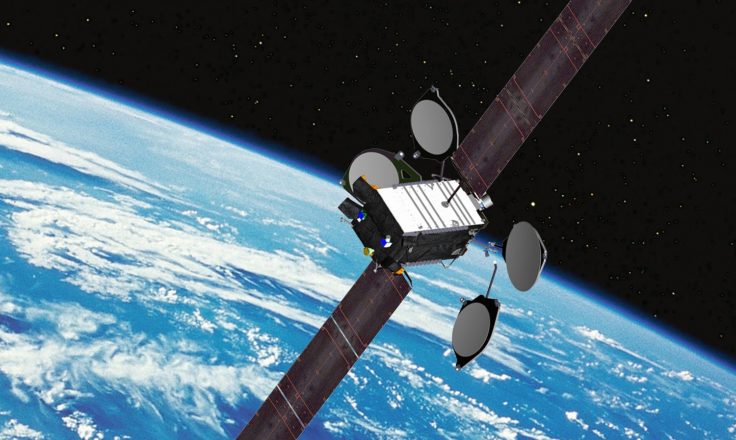
Using meteorological statistical techniques, THeMES aimed to improve satellite trajectory predictions and identify which orbital paths face the greatest risk from space weather disturbances.
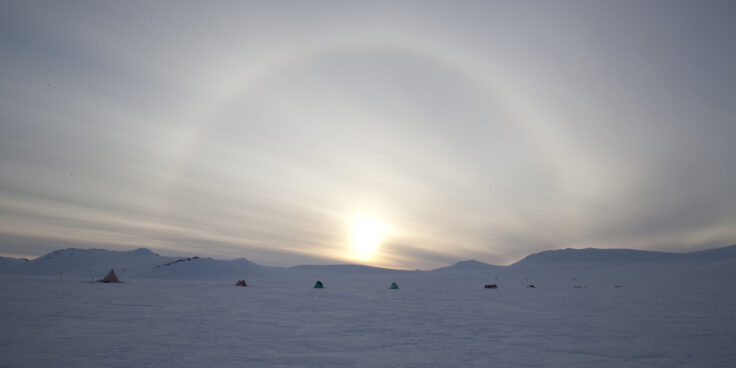
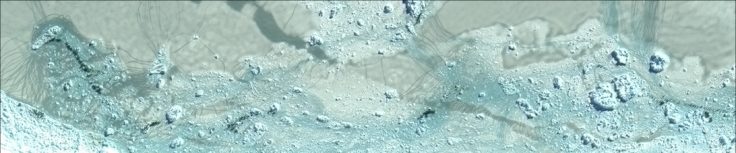
DATA AS ART visualises science data to create stunning and thought-provoking artworks, using real Antarctic data-sets that explain important and exciting science stories.

60 Second Science challenged our science, engineering and support staff and their research collaborators to explain in 60 seconds what they do.

SCOOBIES makes long-term observations of key Earth system indicators in the Southern Ocean. These observations are vital for both UK and global science.
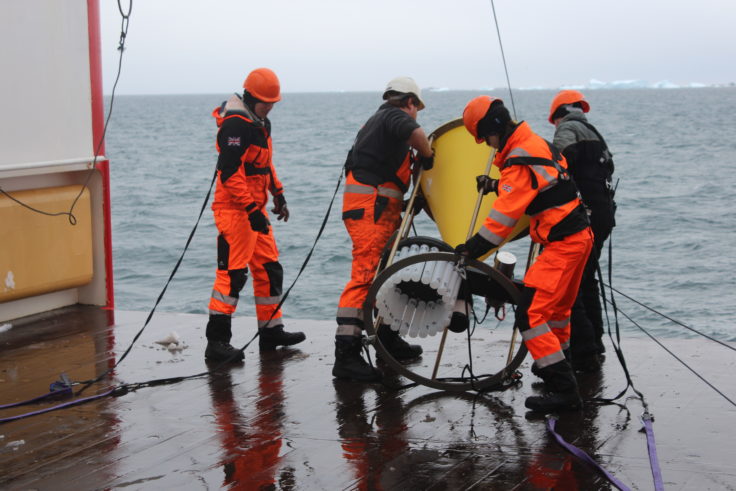
The main deliverable of the Western Core Box (WCB) is a consistent unique time series of mesoscale distribution and abundance of macro-zooplankton and micronekton, and an understanding of the physical environment they are within at South Georgia, South Atlantic (1996 – current).
Many populations of wildlife are remote, inaccessible or difficult to monitor. The advent of sub-metre, Very-High-Resolution (VHR) satellite imagery has enabled us study these animals in a much more efficient way.
Rad-Sat is a NERC Highlight Topic that brings together a consortium of scientists from 5 different UK research groups, stakeholders from the space industry and a network of international collaborators.
In this collaboration with the Natural History Museum (NHM) and the University of Liverpool, we have developed novel methods for using existing data to contribute to marine conservation and fisheries […]

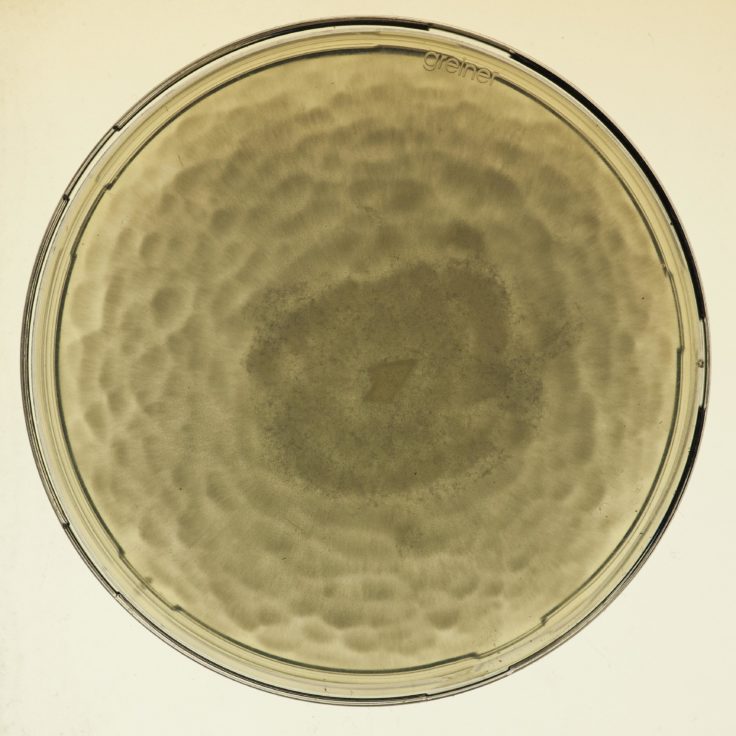
This project investigated whether Mortierella, a cold-tolerant Antarctic soil fungus, could replace banned chemical pesticides in controlling weevil larvae that damage UK soft fruit and forestry crops.
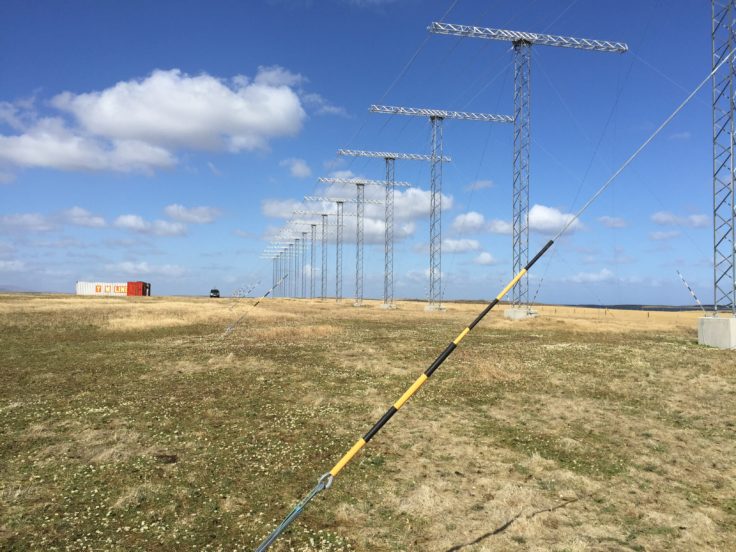
The Super Dual Auroral Radar Network (SuperDARN) has been operating as an international co-operative organisation for over 25 years, and has proved to be one of the most successful tools for studying dynamical processes in the Earth’s magnetosphere, ionosphere, and neutral atmosphere.
COMICS studied how carbon moves through the ocean’s ‘twilight zone’, the area between 100m and 1000m below the surface. This zone plays a key role in regulating atmospheric CO2 levels.