
Atmospheric and Glaciochemist DSL

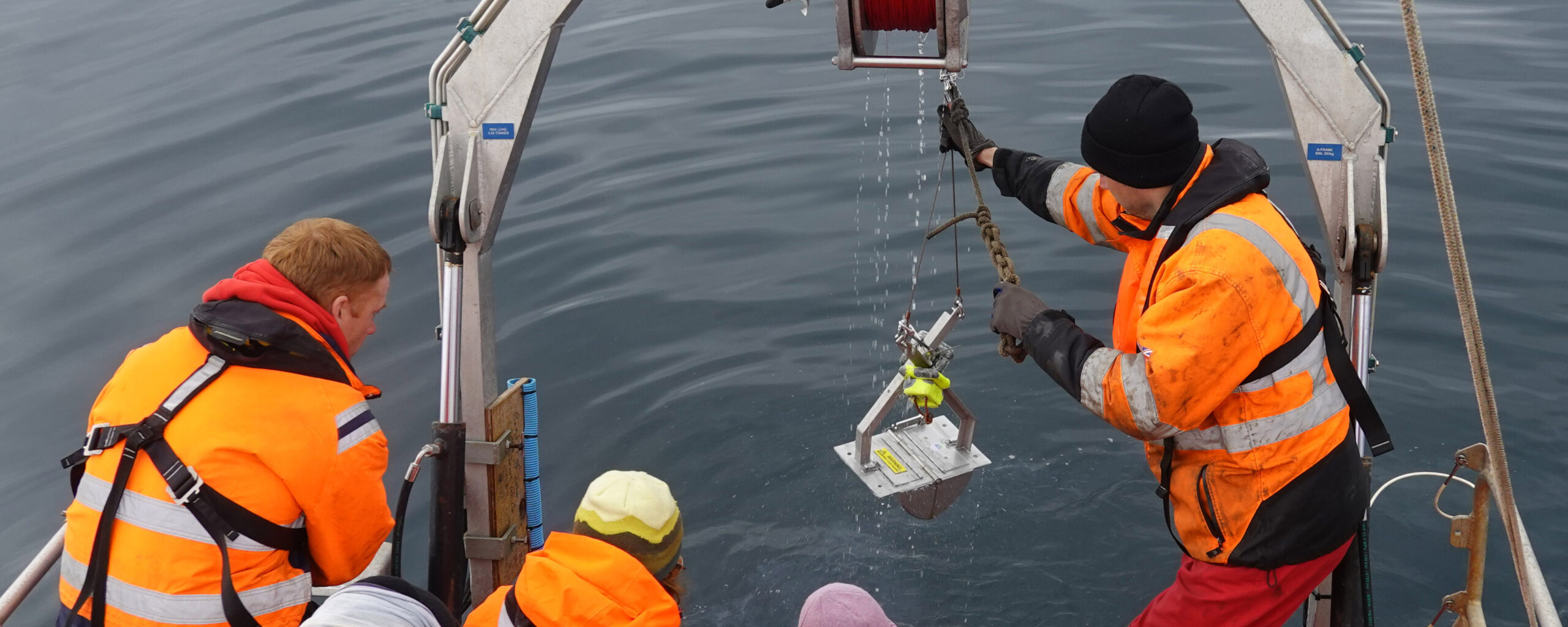
Scientists used to think Antarctic algae only made their food from sunlight (photosynthesis). However, many algae living in sea ice can also eat other tiny organisms or absorb dissolved nutrients.
This dual feeding strategy is called mixotrophy. It helps algae survive Antarctica’s dark winter, when there isn’t enough light for photosynthesis alone. This ability also gives them a head start when the growing season begins, well before other algae can thrive.
These microalgae do more than just form the base of Antarctica’s food web. They also affect our climate. They produce a substance that breaks down into dimethylsulphide (DMS), a gas that cools the climate when released into the atmosphere. The starter substance helps algae survive harsh conditions, such as the extremely salty pockets found in the brine channels of sea ice.
Many mixotrophic algae in sea ice produce high levels of DMS. This means they have a major impact on Antarctica’s sulphur cycle. MACS aims to understand how these organisms affect both carbon and sulphur cycles in Antarctic waters.
Antarctica’s seasonal sea ice is changing rapidly as the planet warms. These changes affect the microalgae growing in ice and water. These tiny organisms are the main food producers in the region. Changes in how they work will alter carbon and sulphur cycling. This, in turn, affects our whole planet’s climate system.
Antarctica is the world’s main source of DMS, a gas that influences global climate. The MACS team’s work will help us understand the mechanisms behind DMS production. This knowledge is essential for predicting future climate change.
MACS will attempt to answer a key question: What role does mixotrophy play in the carbon and sulphur cycles of Antarctica’s seasonal ice zone?
The team includes experts from the Netherlands and British Antarctic Survey. They will combine laboratory experiments with field studies off the West Antarctic Peninsula. The field work will take place at Rothera Research Station. The team will use the station’s laboratories and small boats.
They will work alongside the Rothera Oceanographic Time Series (RaTS) programme.
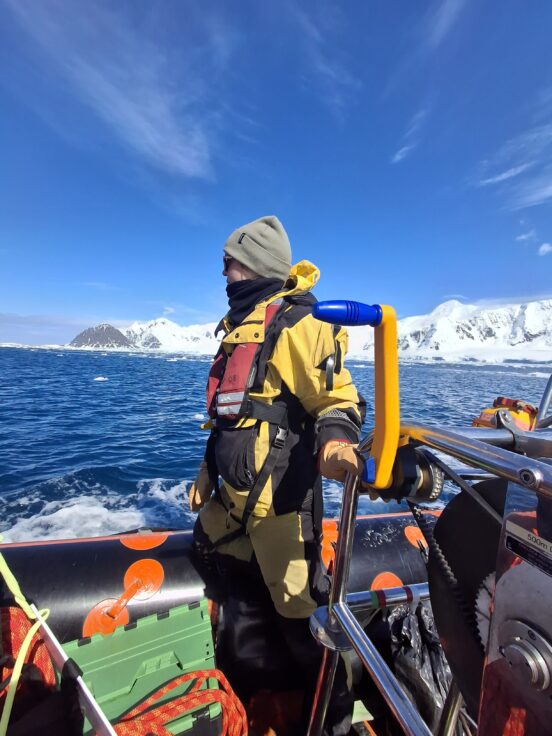
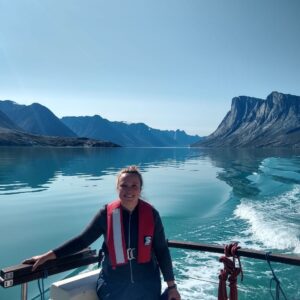
Researchers carrying out field work near Rothera Research Station (Credit: Kate Hendry)
The MACS team has several goals:
First, they will study how mixotrophs respond to extreme sea ice conditions in laboratory tests. They will use molecular biology to study the genes of these organisms. This will help them understand how mixotrophs balance their carbon and sulphur processes.
Second, during field campaigns at Rothera, the team will measure how much the algae eat and photosynthesise in Ryder Bay. They will also measure how much DMS and its starter substance the algae produce and consume.
Third, they will use special tracking methods with stable isotopes. These methods show whether algae are using mineral nutrients or eating prey. This allows researchers to track what individual mixotrophs are doing.
Finally, the team will study the microbial community structure throughout spring and during ice melt. They will measure DMS concentrations and how quickly it cycles through the system. This will help connect DMS production by marine microbial communities to the peak DMS levels measured in the atmosphere during spring.
Atmospheric and Glaciochemist DSL
Science Leader IMP 2
Airborne Instrumentation or Atmospheric Scientist
Pelagic Ecologist
Ocean Climate Scientist