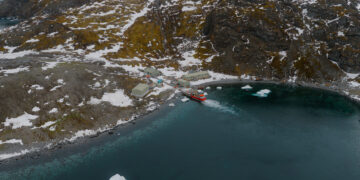
Signy Island Science Manager

British Antarctic Survey (BAS) carries out long-term science to measure the effects of changes in Antarctic ecosystems on higher predators. The aim is to understand the processes that drive these changes.
Marine predators, such as seabirds and seals, are sensitive to ecosystem shifts. This includes climate variability, which can be natural but is increasingly driven by human activities. Others are caused directly by humans, such as effects of fishing.
BAS scientists track population size and trends, breeding frequency, reproductive success, and diets of key indicator species. These are the seabirds and seals that breed or winter near the BAS stations at Bird Island, King Edward Point and Signy. Monitoring of these species helps detect wider changes in the ecosystem.
BAS data feed models that link seabird and seal populations to environmental change. Studies show climate patterns such as the Southern Annular Mode and El Niño affect top predators. These include seals and penguins.
The Antarctic is managed with an ecosystem approach. This approach guides fisheries management. A key aim of the ecosystems programme is to inform CCAMLR, which oversees Southern Ocean fisheries. BAS seabird data help identify threats to penguins, albatrosses, and other species.
Tracking data are also used by Agreement on the Conservation of Albatrosses and Petrels (ACAP) and NGOs such as BirdLife International. These data support work to reduce threats like seabird bycatch.
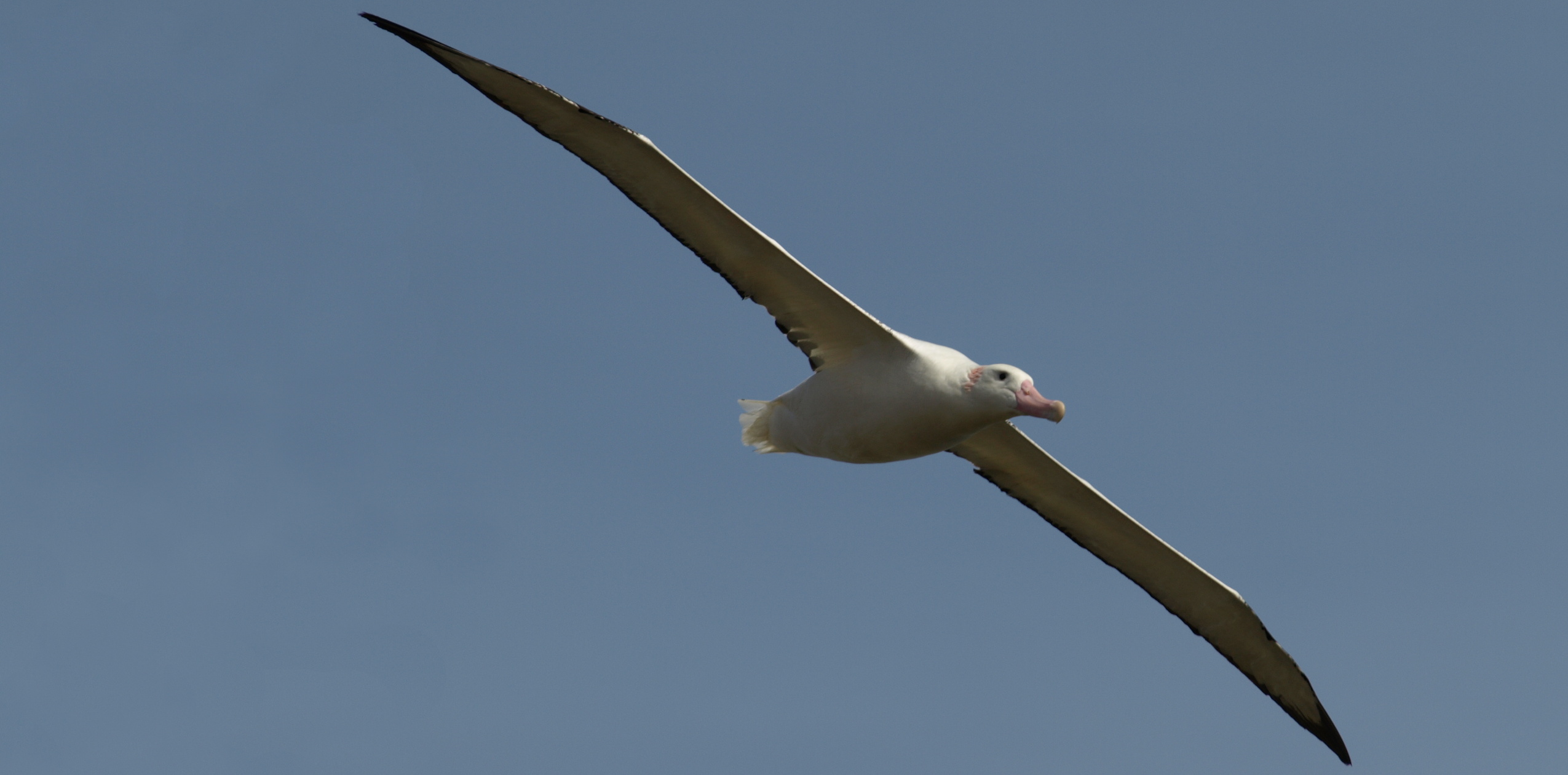
Bird Island is 0.5 km from South Georgia. Although only 4 km by 0.5 km, it hosts tens of thousands of marine predators. Breeding species include three penguins, four albatrosses, 12 petrels, two seals and an endemic duck and pipit. Non-breeding visitors include leopard seals and king penguins. BAS scientists have studied many of these species for over 50 years
Signy Island is one of the South Orkney Islands. The island provides nesting sites for tens of thousands of seabirds. These include cape and snow petrels, storm petrels, skuas and blue-eyed shags. The island also has 18,000 Adélie penguin pairs, 20,000 chinstrap penguin pairs, and 1,300 gentoo pairs. Researchers monitor penguins, giant petrels, shags, fur seals, and elephant seals.
Signy Island Science Manager

Marine Mammal Scientist

Geographic Information Officer

Marine Biogeographer

Ecologist
Molecular Ecologist/Whale biologist
Seabird Ecologist Deputy Science Leader IMP 3

Ecologist

Data Analyst
E Fellow
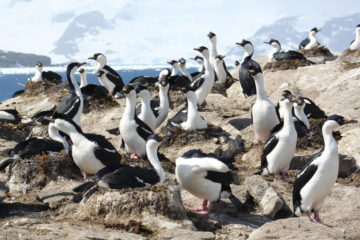
Data collected from a long-term study by British Antarctic Survey (BAS) scientists shows declining populations of an already relatively rare Antarctic seabird, the South Georgia shag. Published in the journal […]
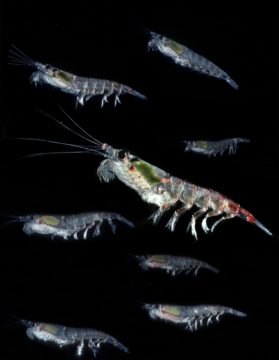
The population of Antarctic krill, the favourite food of many whales, penguins, fish and seals, shifted southward during a recent period of warming in their key habitat, new research shows. […]
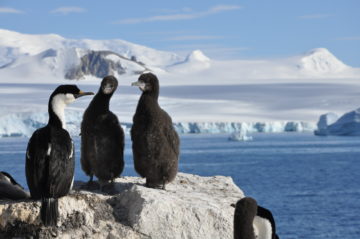
Results of a new study on Antarctic seabirds shows a larger percentage of their populations inhabit important nesting sites around Ryder Bay, close to British Antarctic Survey’s Rothera Station than […]
The populations of wandering, black-browed and grey-headed albatrosses have halved over the last 35 years on sub-antarctic Bird Island according to a new study published today (20 November) in the […]
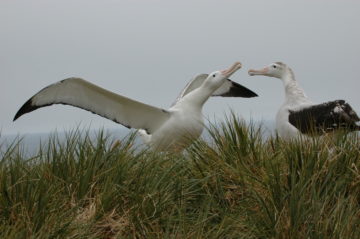
Blue Planet II – the nature documentary that explores the deepest and darkest realms of the world’s oceans – is back on the BBC some 16 years after it was […]
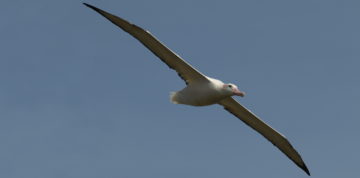
The Bird Island Research Station focuses on the long-term study of seabirds and seals in one of the world’s richest wildlife sites.
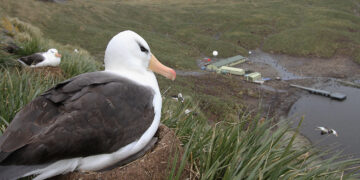
Signy serves as Britain’s window into Antarctic life. This small but vital facility allows biologists to study processes too complex to observe elsewhere.