
Wildlife from Space Research Associate

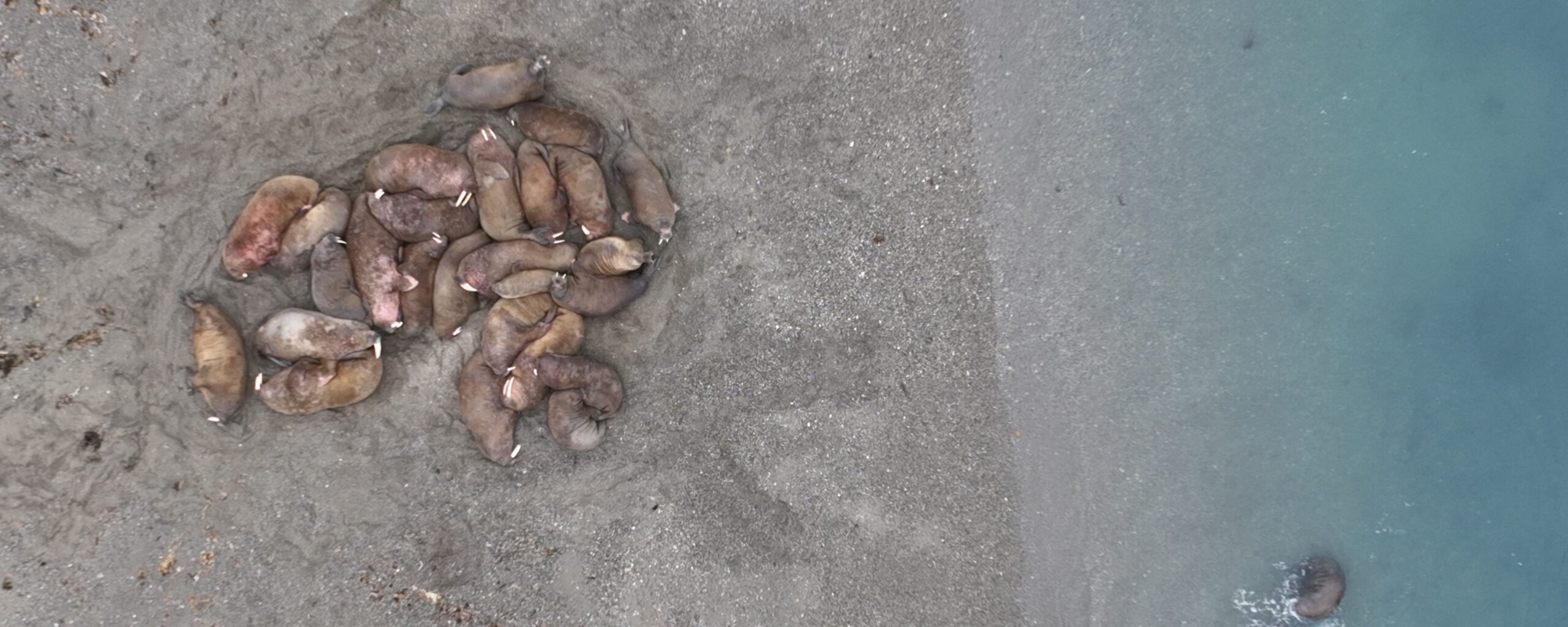
The project uses satellite images and citizen science to count walruses. As sea ice melts due to climate change, Atlantic walruses spend more time on land in large groups called haul-outs.
These gatherings can be seen from space.
Walrus from Space trains volunteers to spot and count walruses in satellite photos.
Thousands of citizen scientists look at images from key sites across the Arctic. Their work helps create the first full population estimate for this vulnerable species.
The project combines space technology with public involvement. It makes large-scale wildlife monitoring possible without disturbing the animals.
Atlantic walruses are threatened by climate change and human activity.
Sea ice loss forces them onto land. Large haul-outs can lead to dangerous stampedes, especially among calves. Coastal development and shipping traffic add further pressure.
Despite their importance to Arctic ecosystems, we don’t know how many walruses exist.
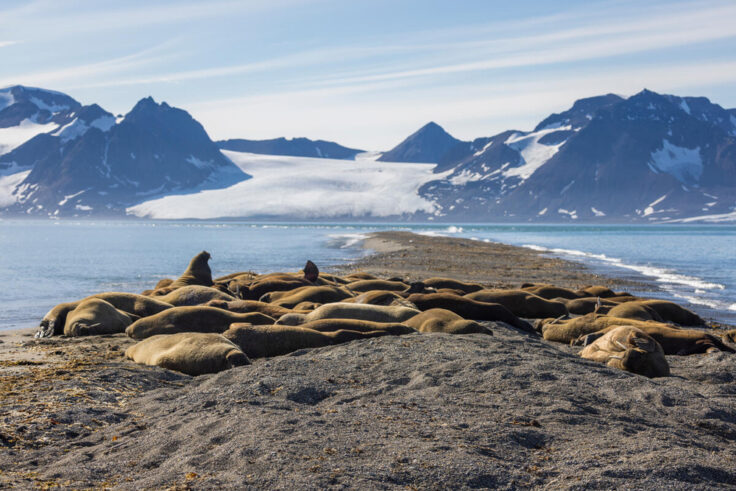
A haul-out of Atlantic walrus rest on a spit in Svalbard, Norway (Credit: Peter Fretwell)
Previous surveys covered only small areas and needed expensive aircraft or ships. Without accurate population data, conservation efforts cannot be properly planned.
Walrus from Space provides baseline population counts across the entire Arctic range. It tracks population changes over time and gives evidence to inform conservation policy. It also provides early warning of population declines.
The project aims to:
Walrus from Space is led by WWF in partnership with British Antarctic Survey (BAS).
We provide expertise in satellite remote sensing and wildlife monitoring.
The project aims to:
Wildlife from Space Research Associate

Geographic Information Officer